
How can design help a restaurant stand out from the competition?
In many cities, guests have a huge choice of interesting places. Restaurants, cafés, bars, bistros and breakfast spots compete not only with food, but also with atmosphere. This is why design has become an important tool for building recognition. A well-planned restaurant interior design can make a place memorable before the guest even tries the first dish.
But the goal is not to create an interior that is "different" at any cost. The best design is not random decoration. It comes from the cuisine, the location, the story of the owners, the character of the brand and the emotions the place should create.
Start with your own story
Every venue has a story. It can be a family tradition, local cuisine, travel, a specific region, seasonal ingredients or a concept for a modern bistro. The interior should support this story.
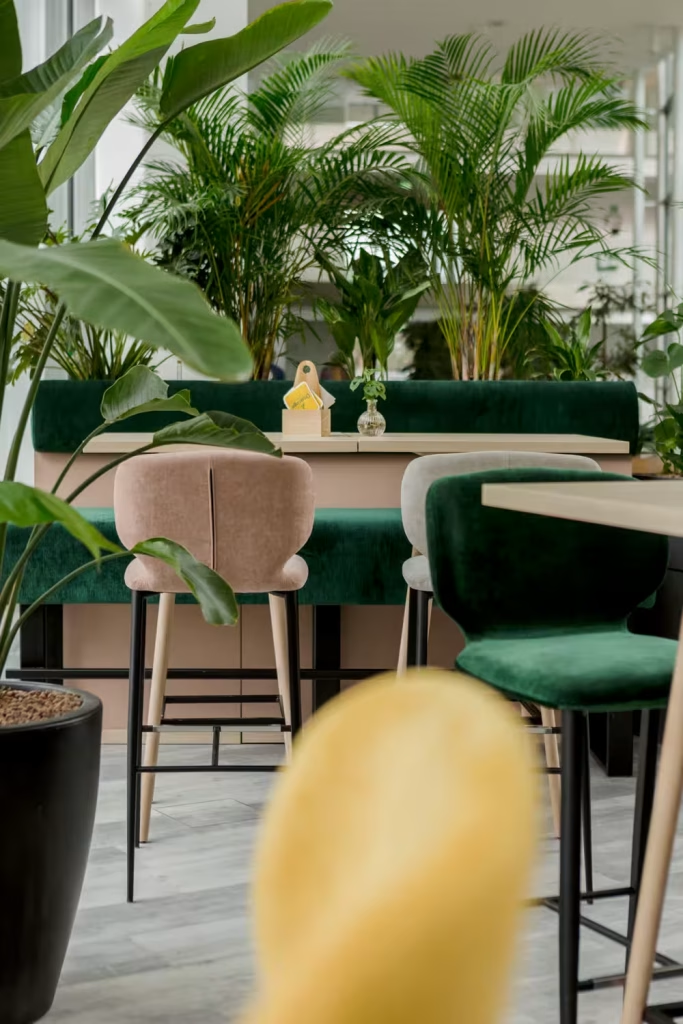

If a restaurant serves regional food, the design can refer to local materials, craft or landscape. If the place is modern and urban, it can use simpler forms, stronger graphics and more dynamic lighting. If a café is meant to be a calm place for work and meetings, comfortable seating, good acoustics and a warm atmosphere will matter more.
Without a clear story, it is easy to create an interior that is correct, but forgettable. And forgettable places rarely make guests want to return.
Consistency is more important than one "wow" effect
Owners often want one strong element in the interior. It may be a neon sign, a mural, an unusual wall, designer chairs or an impressive lamp. This can work, but only if it fits the whole concept.
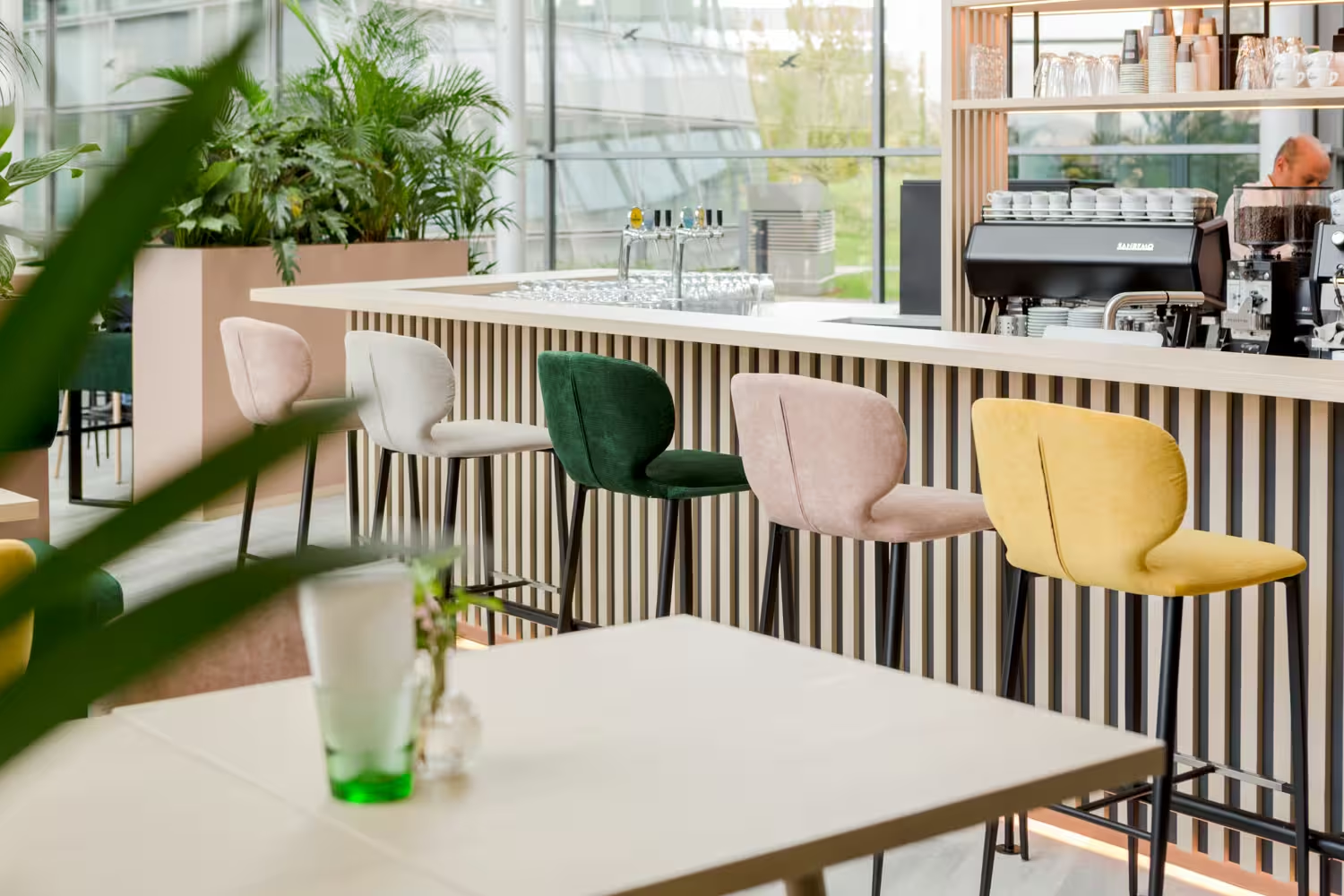
The real strength of an interior comes from consistency. Colours, materials, menu, logo, smell, music, lighting, furniture and service style should create one coherent world. Guests do not analyse this consciously, but they feel whether the place is well thought out.
A "wow" effect can attract attention on social media. Consistency makes guests feel good and want to come back.
Design should encourage photos, but not be designed only for photos
Restaurants and cafés increasingly think about whether their interiors will look good on Instagram. This makes sense. Guests take photos, tag places and become natural ambassadors of the venue.
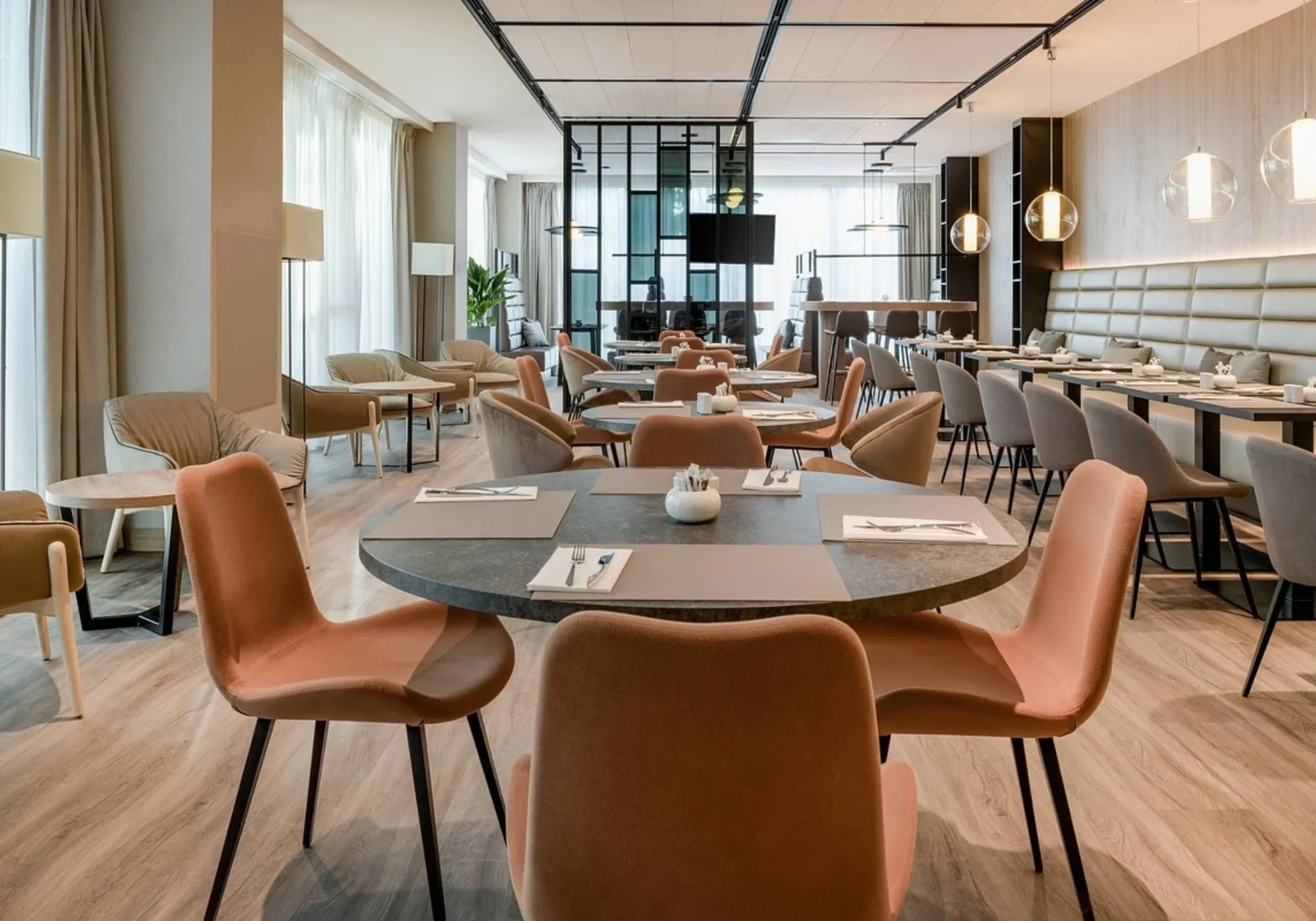
It is worth creating a few characteristic points. An interesting bar, a well-lit wall, an attractive table by the window or a detail with the logo can encourage guests to take and share photos. But it is important to remember that a restaurant works in real life, not only in a phone frame.
The chair has to be comfortable. The table has to be stable. The passage has to be wide enough. The light has to feel pleasant in the evening too. If the interior looks beautiful in photos, but is uncomfortable for guests, the positive effect will not last.
Lighting Changes Everything
The same restaurant can look completely different depending on the lighting. In the morning, it can feel bright and fresh. At lunchtime, it can be practical and energetic. In the evening, it can become warm and atmospheric. Good lighting allows the mood of the interior to change throughout the day.
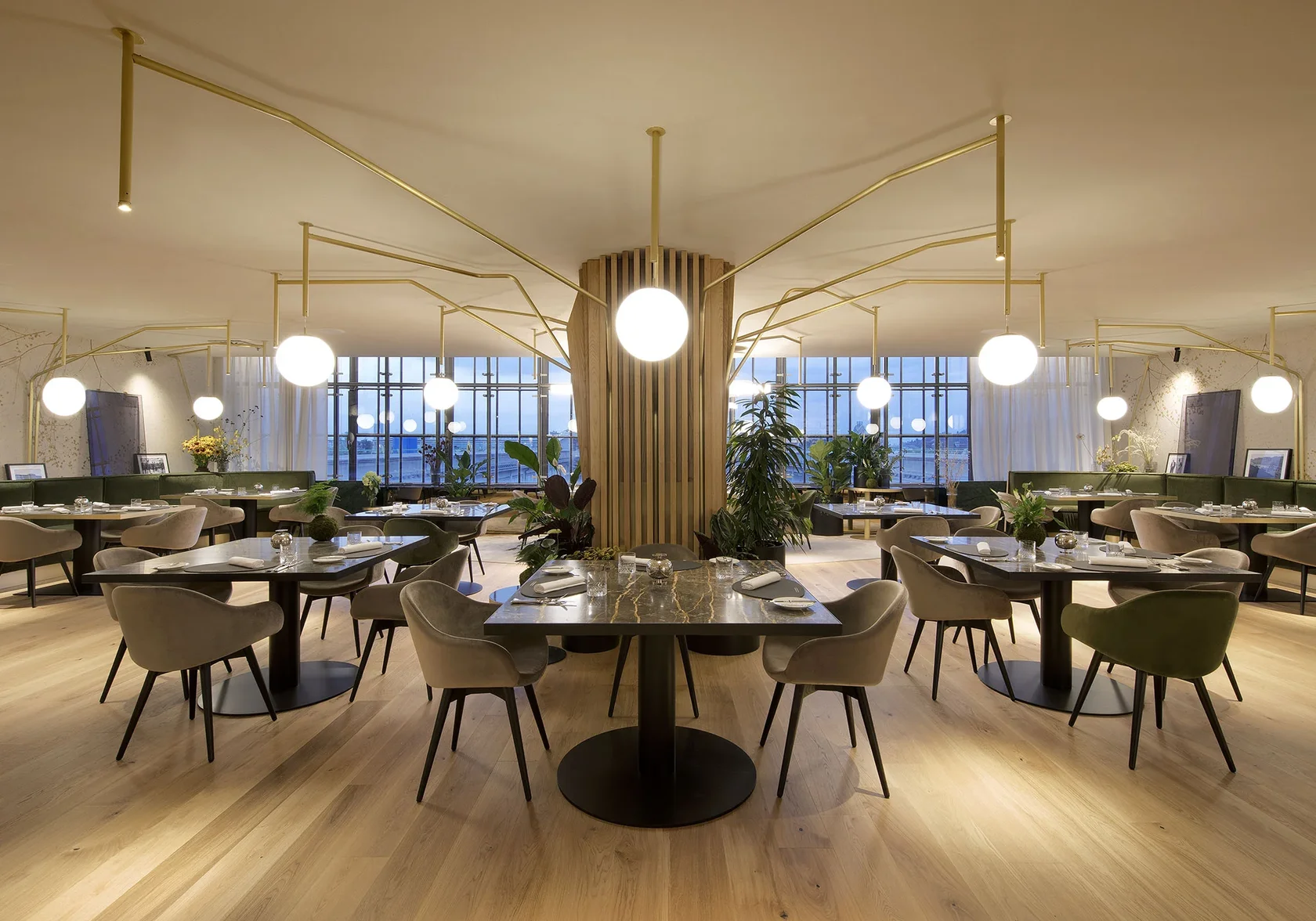
It is worth avoiding one flat layer of light across the whole dining room. A better solution is to build layers: general lighting, light above tables, bar lighting, decorative lamps and subtle accents. This approach helps create an interior that feels more elegant, comfortable and memorable.
Materials build character and durability
A restaurant interior must be designed for intensive use. Floors, worktops, chairs, upholstery and walls are exposed to dirt, movement, impact and frequent cleaning. Materials have to be not only beautiful, but also practical.
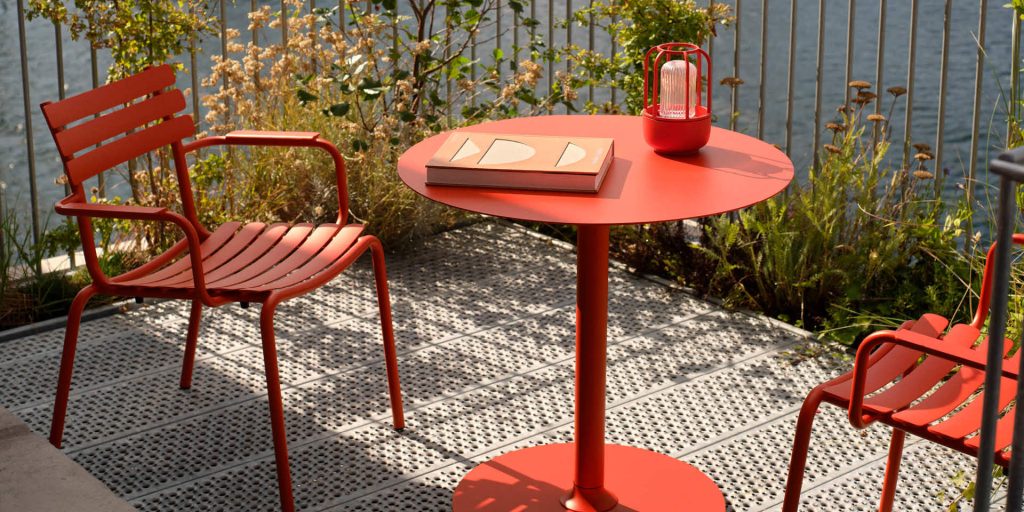


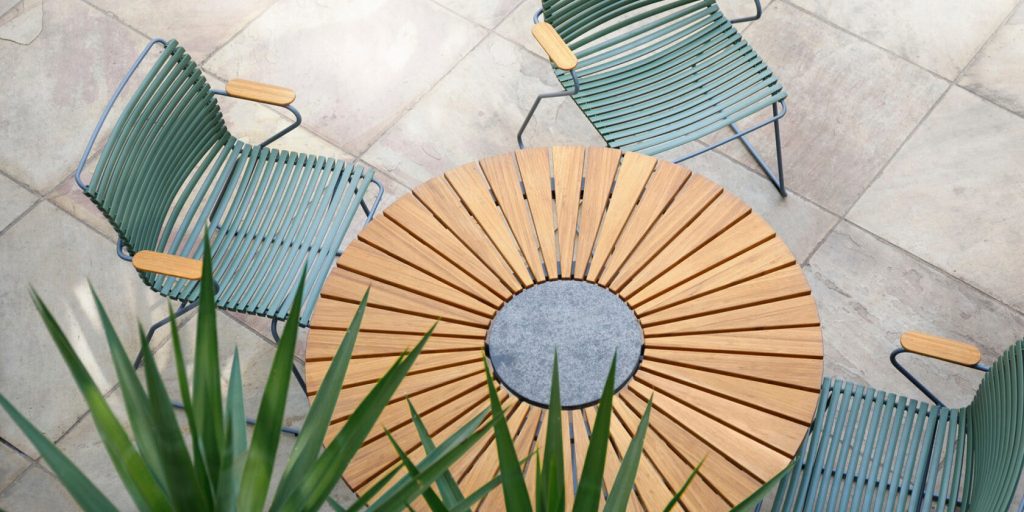
Wood can add warmth. Metal and concrete can create a more industrial atmosphere. Fabrics and upholstery can improve acoustics. Stone or ceramics can highlight quality and durability. The key is to choose materials that match the concept, budget and everyday use of the venue. Standing out does not always mean using the most expensive materials. Sometimes a smart combination of simple solutions, one good detail and a consistent idea are enough.
A distinctive interior must still support service
The best restaurant design combines character with function. Guests see the atmosphere, but staff feel the layout. Good table placement, comfortable circulation, the right place for dish pick-up, a practical back-of-house area and logical movement are just as important as aesthetics.
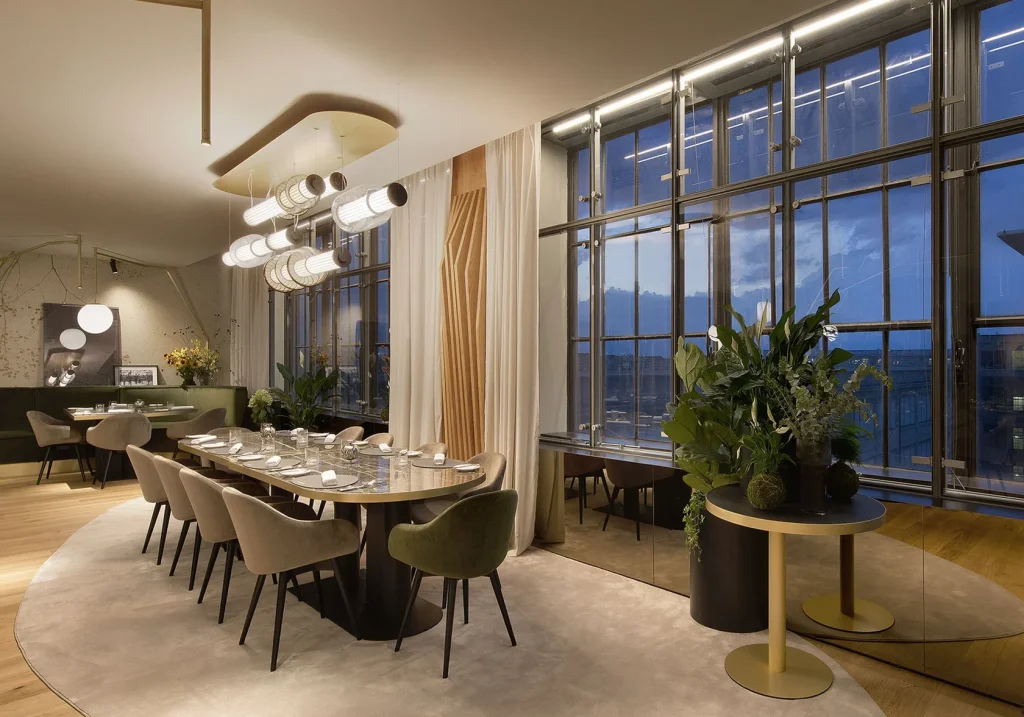
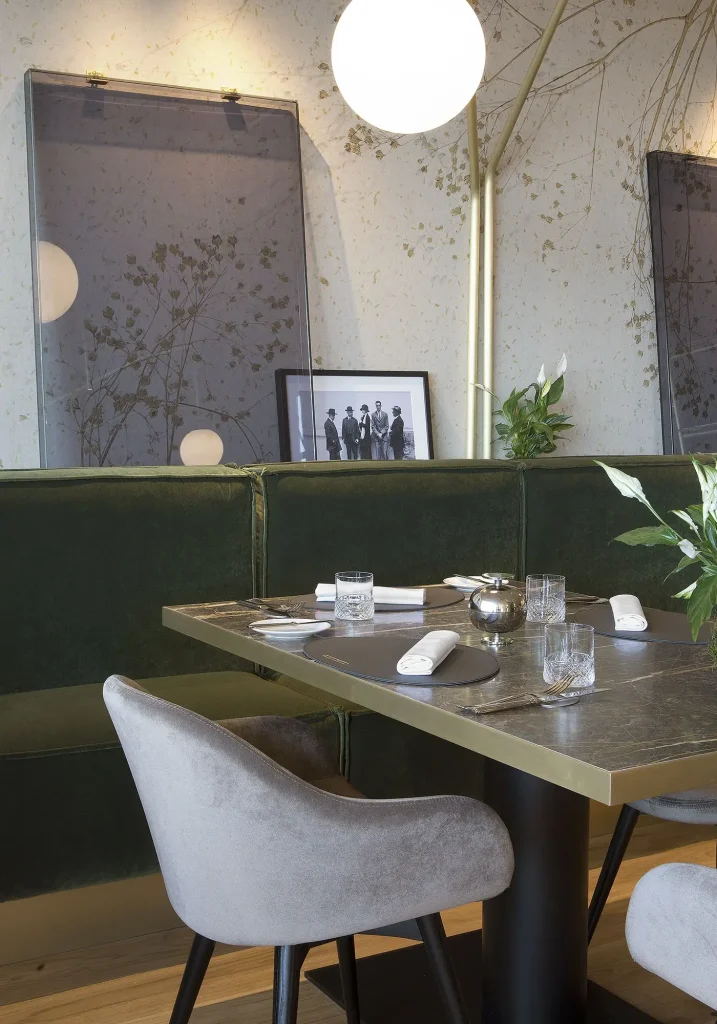
If an interior looks unique, but makes the team’s work harder, it will quickly create problems. Good design should help staff work smoothly. As a result, guests receive a better experience.
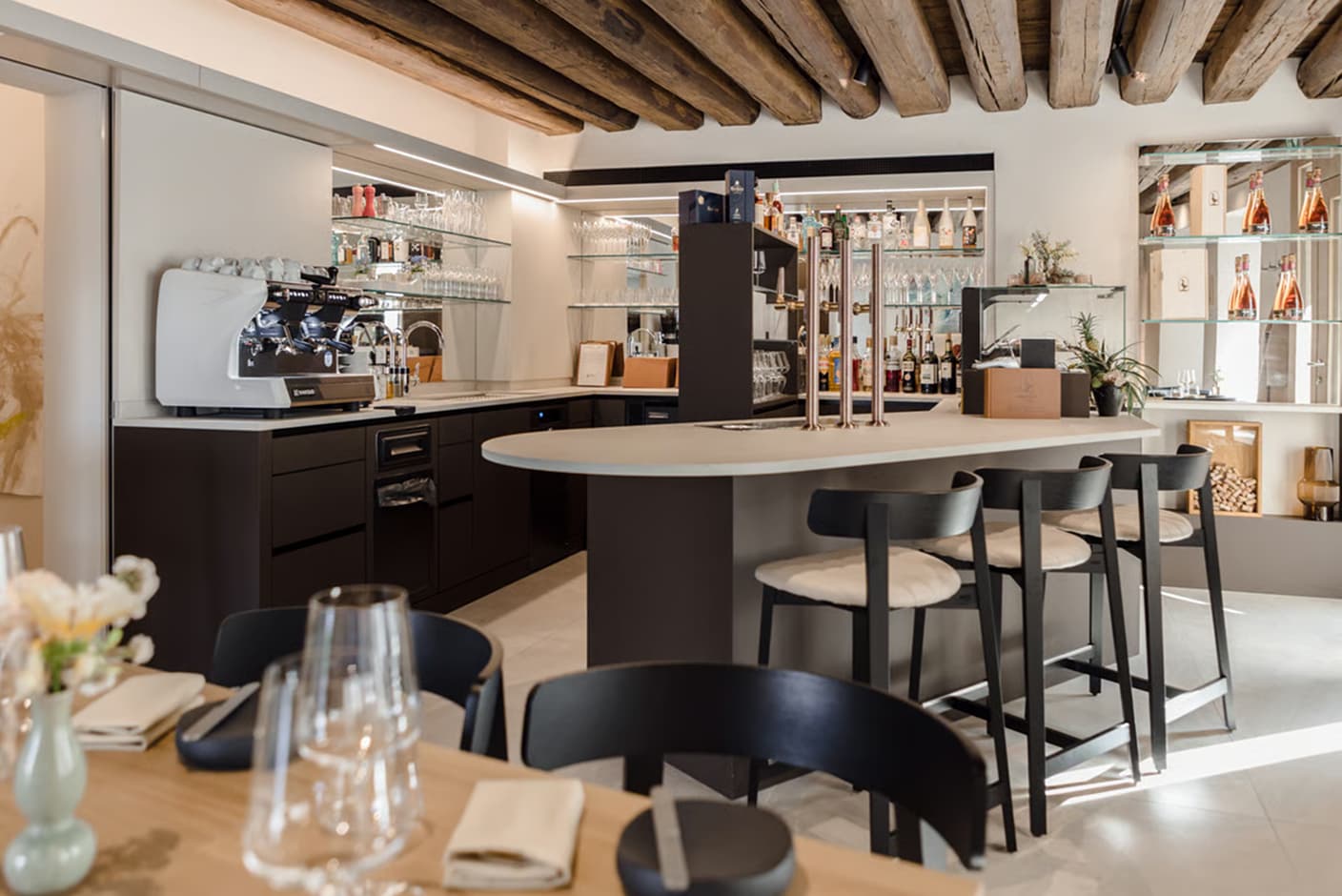
A place with its own language
A restaurant or café can stand out through colour, material, light, detail, scent, music, furniture and layout. The most important thing is that all design elements speak the same language. This is when a venue becomes recognisable.
TENGO Design helps create restaurant interiors that have character, but remain practical. We design with guests, staff and everyday use in mind. A venue that stands out through well-designed space has a much better chance of being remembered for a long time.
Product images courtesy of Midj. Visit midj.com to explore the collection.