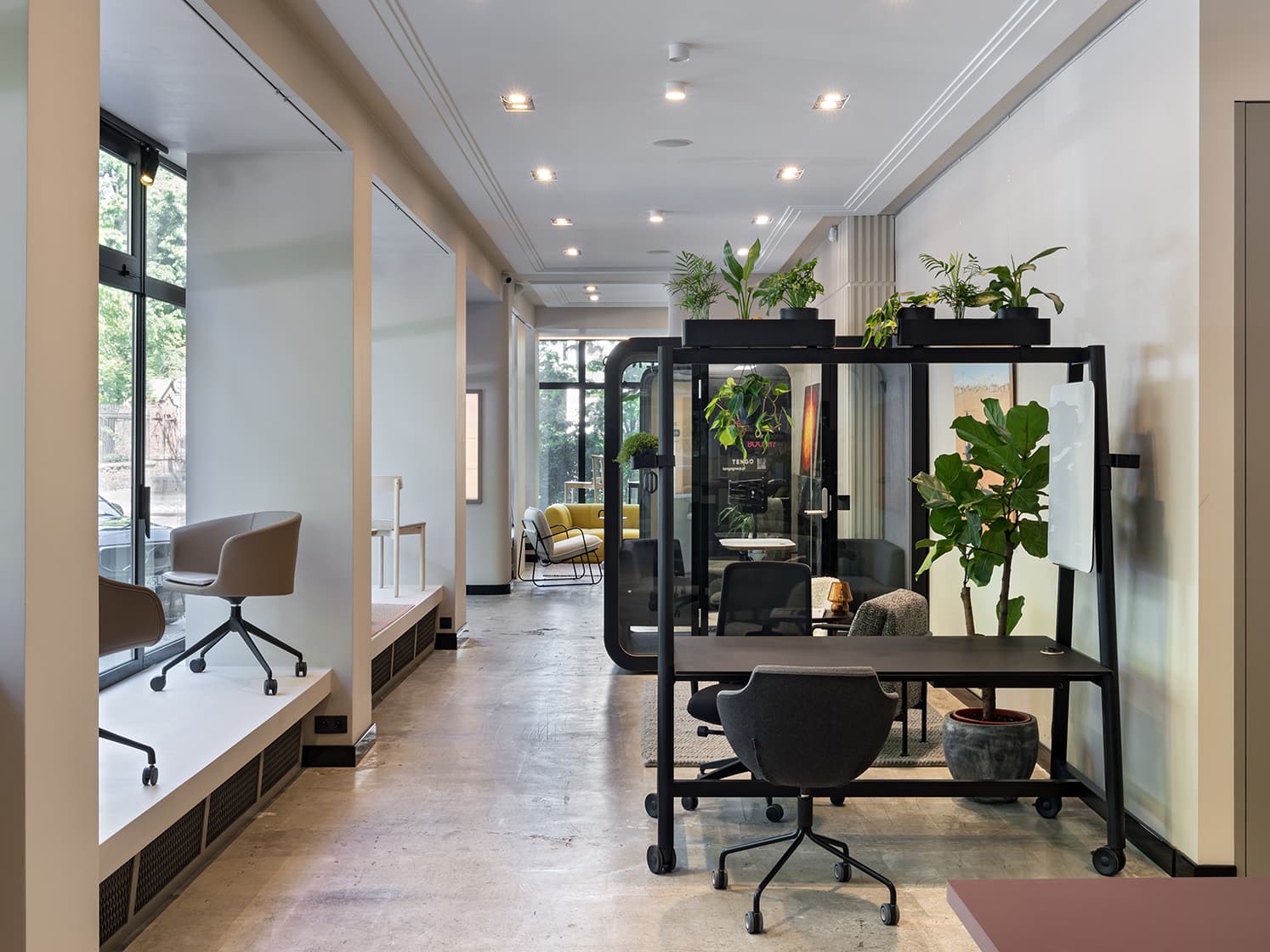
A coworking space that works for your business. How to design and furnish a shared office?
Coworking spaces are growing fast in Poland. They are used by freelancers, startups, small companies, project teams and people who do not want to organise their own office from scratch. For them, coworking is simple and convenient. They come to a ready, attractive and well-equipped workplace. They do not have to think about reception, printers, internet, coffee, cleaning or maintenance
But as coworking becomes more popular, user expectations are also growing. A desk and a chair are no longer enough. People expect comfort, good design, acoustic solutions, flexible layouts and durable furniture. This is why coworking office design needs a very thoughtful approach. A shared office must look good, but it also has to survive intensive everyday use.
How to design a coworking space
A good coworking space should work like a small ecosystem. People use it in different ways. Some need silence and focus. Some want to meet a client. Others need a place for a phone call, a short workshop or teamwork. This is why zoning is one of the most important parts of coworking office design.
In a well-designed coworking space, it is worth planning:
- Individual work areas – ergonomic workstations with comfortable chairs.
- Meeting rooms – for client meetings, presentations and teamwork, ideally with an easy booking system.
- Focus zones – quiet areas for deep work, often supported by acoustic solutions.
- Phone call areas – so users can talk without disturbing others, for example in acoustic booths.
- Kitchen, dining and coffee area – a natural place for informal contact.
- Relax zone – with sofas, lounge chairs and a softer, less formal layout.
- Event space – for workshops, presentations, community meetings and networking.
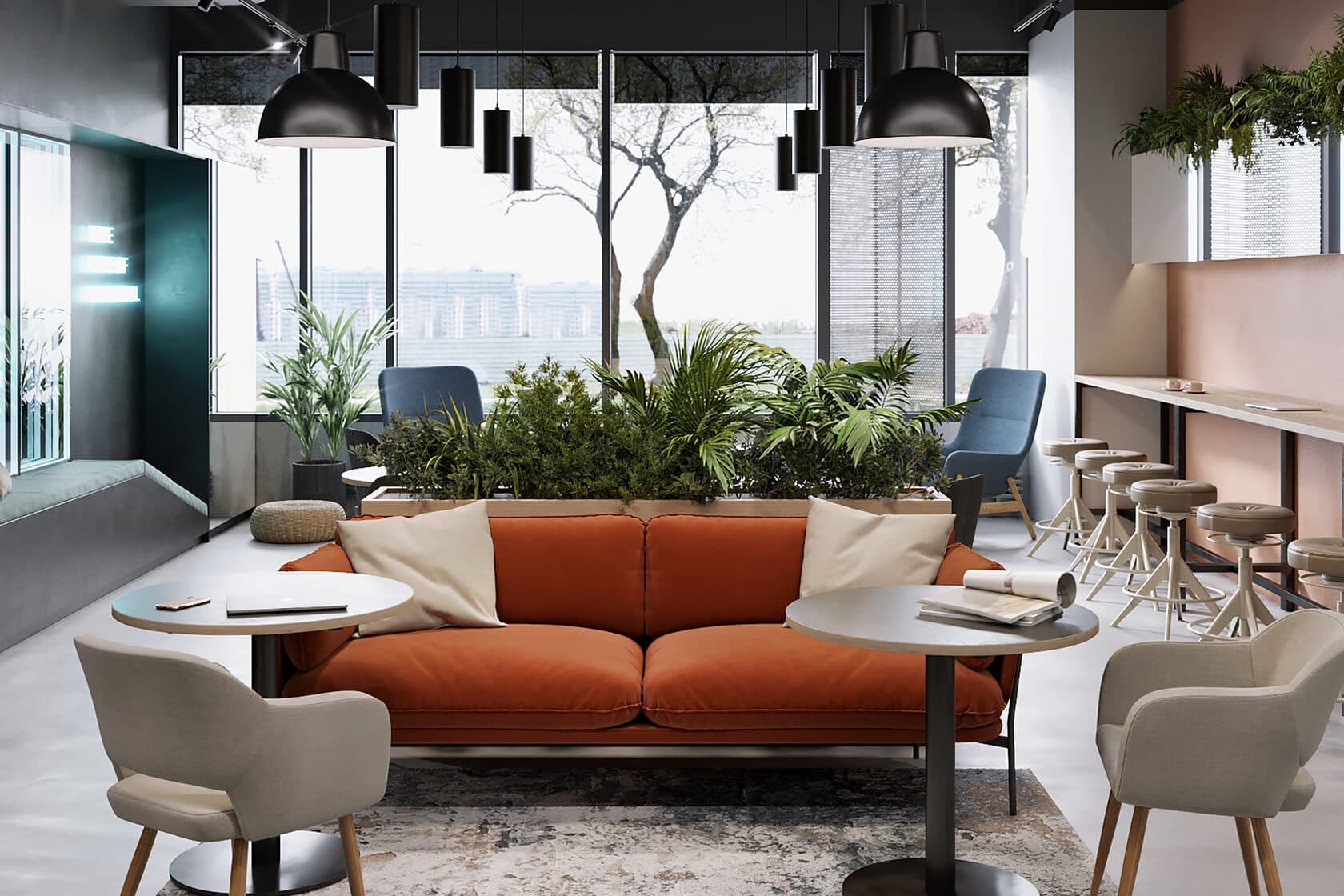
A coworking space does not have to work only from 9:00 to 17:00. More and more shared offices also become event spaces. They can host conferences, training sessions, presentations, meetups or informal after-work events. Users often enjoy this. It helps the coworking space become more than just a place to sit with a laptop.
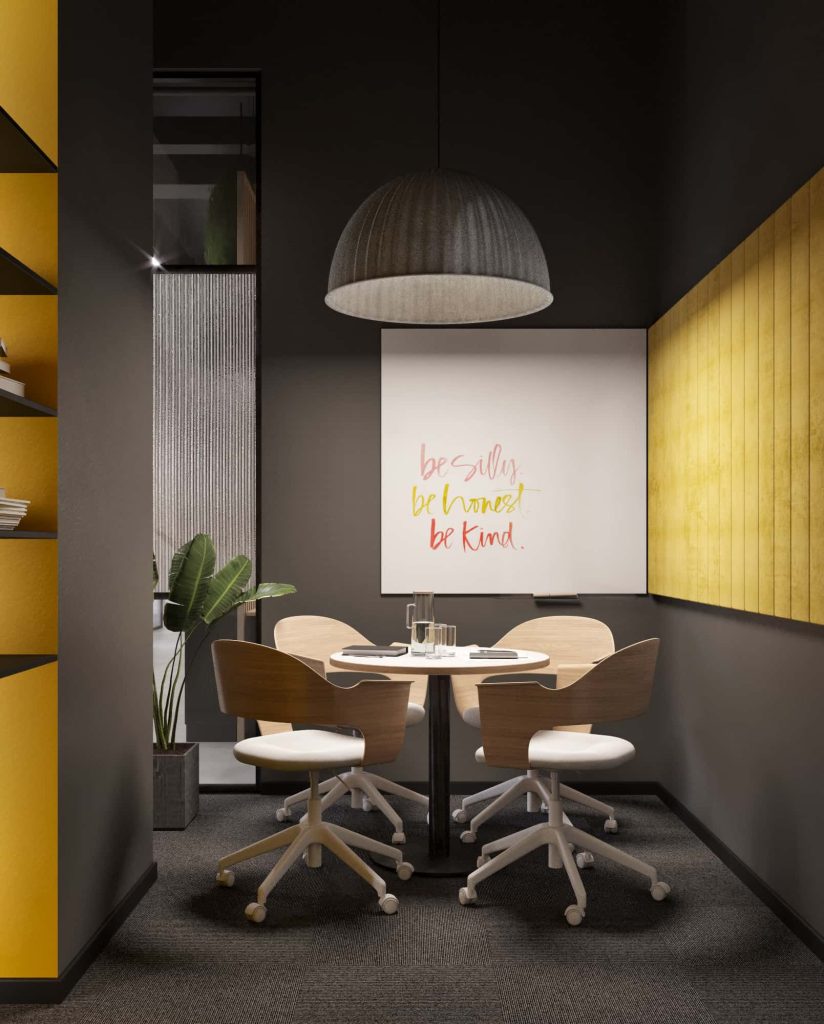
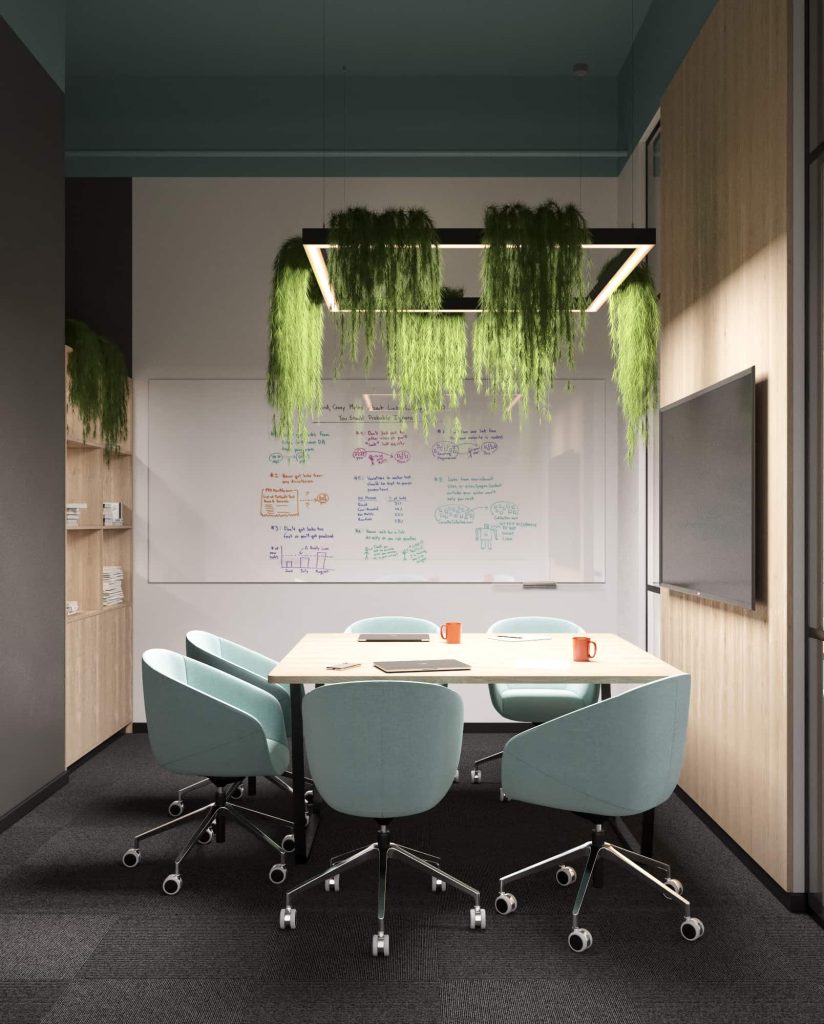
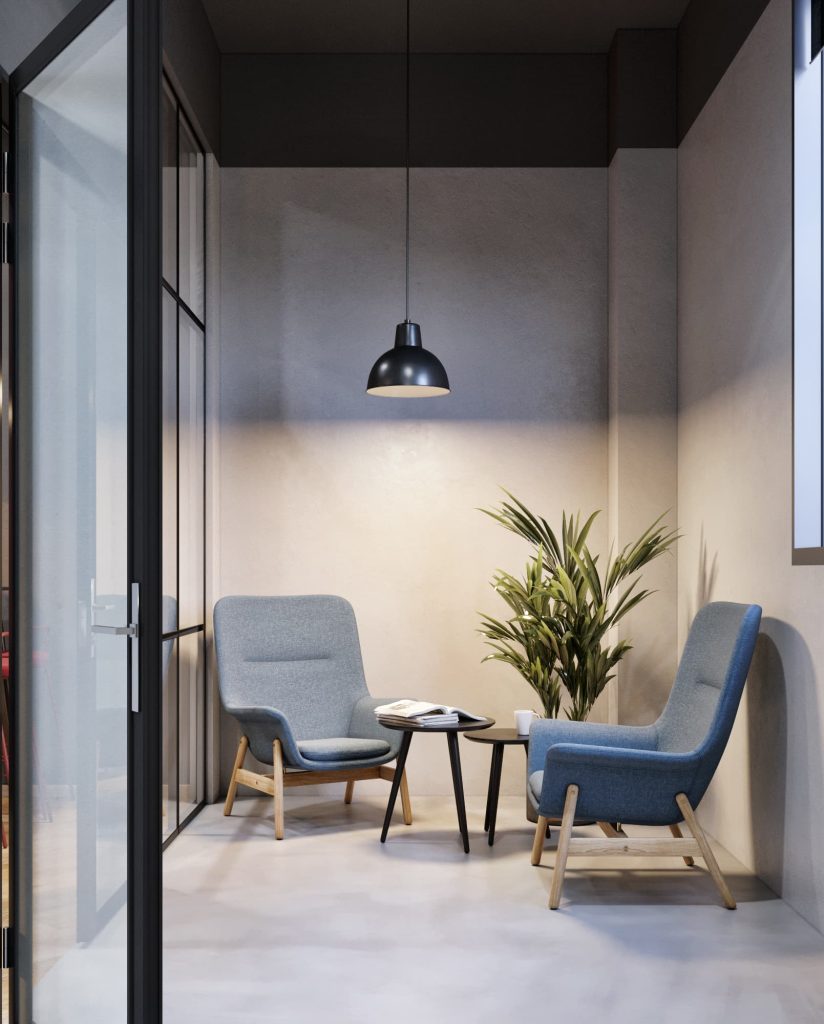
Flexibility is very important. Modular furniture, mobile tables, light seating and acoustic partitions make it easier to change the function of the space. In the morning, one area can be used for teamwork. In the evening, the same area can become a workshop room or a presentation space.
Intensive use needs good furniture
A coworking space is used by many people every day. Chairs, desks, sofas, tables and carpets work much harder than in a standard office for one company. This is why coworking furniture should be durable, comfortable and easy to maintain.
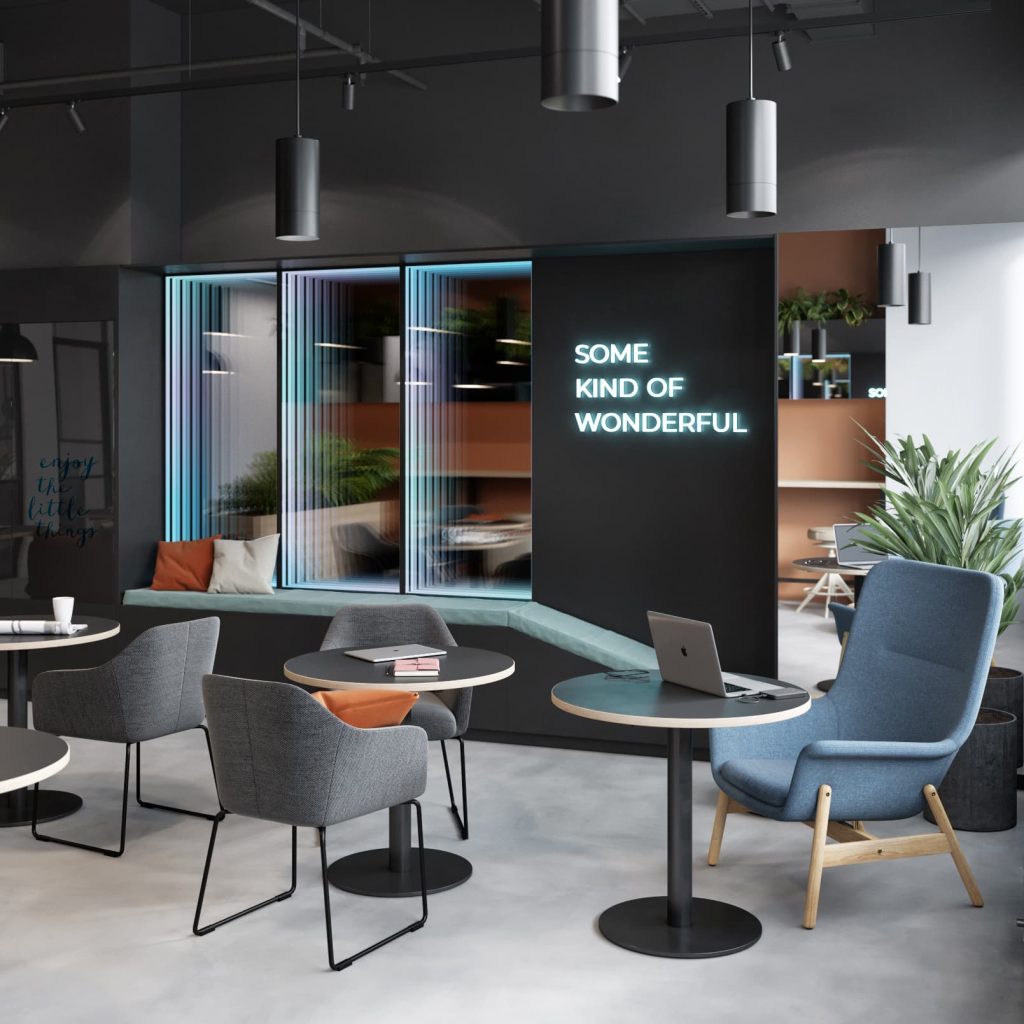
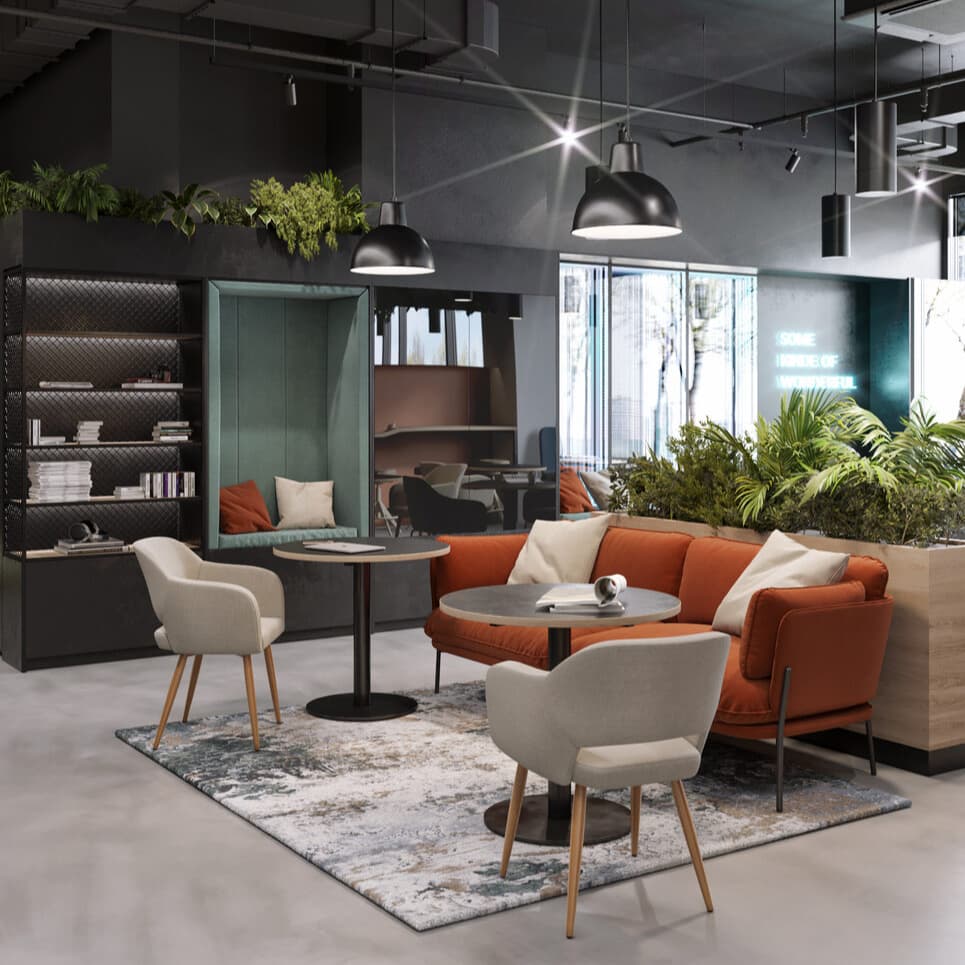
A low purchase price can look attractive at the beginning. In practice, cheap equipment often needs repairs, replacement or constant service. In a commercial space, this becomes a real problem. Damaged furniture affects the image of the place and the comfort of users.
It is better to choose tested products with a warranty and many finishing options. This is also important when the operator plans to grow. If the coworking space expands to another floor or opens a new location, it is easier to keep a consistent design code and add matching furniture later.
What do coworking users expect?
People who rent a place in a shared office can have very different needs. Some are freelancers who want to separate private life from work. Others run small companies and do not need a full office. There are also startups, project teams, consultants, IT specialists and people working in a hybrid model. For many of them coworking is an alternative to working from home or from a café. At home, it can be hard to keep a healthy work-life balance. A café can be noisy, uncomfortable and not professional enough. Coworking gives something in between: freedom, but also an office standard.
Users expect comfort. They want fast internet, good coffee, a clean kitchen, access to a printer, reception support, meeting rooms and comfortable workstations. More and more often, they also pay attention to the look of the interior. They do not want to work in a random, dark or outdated space.
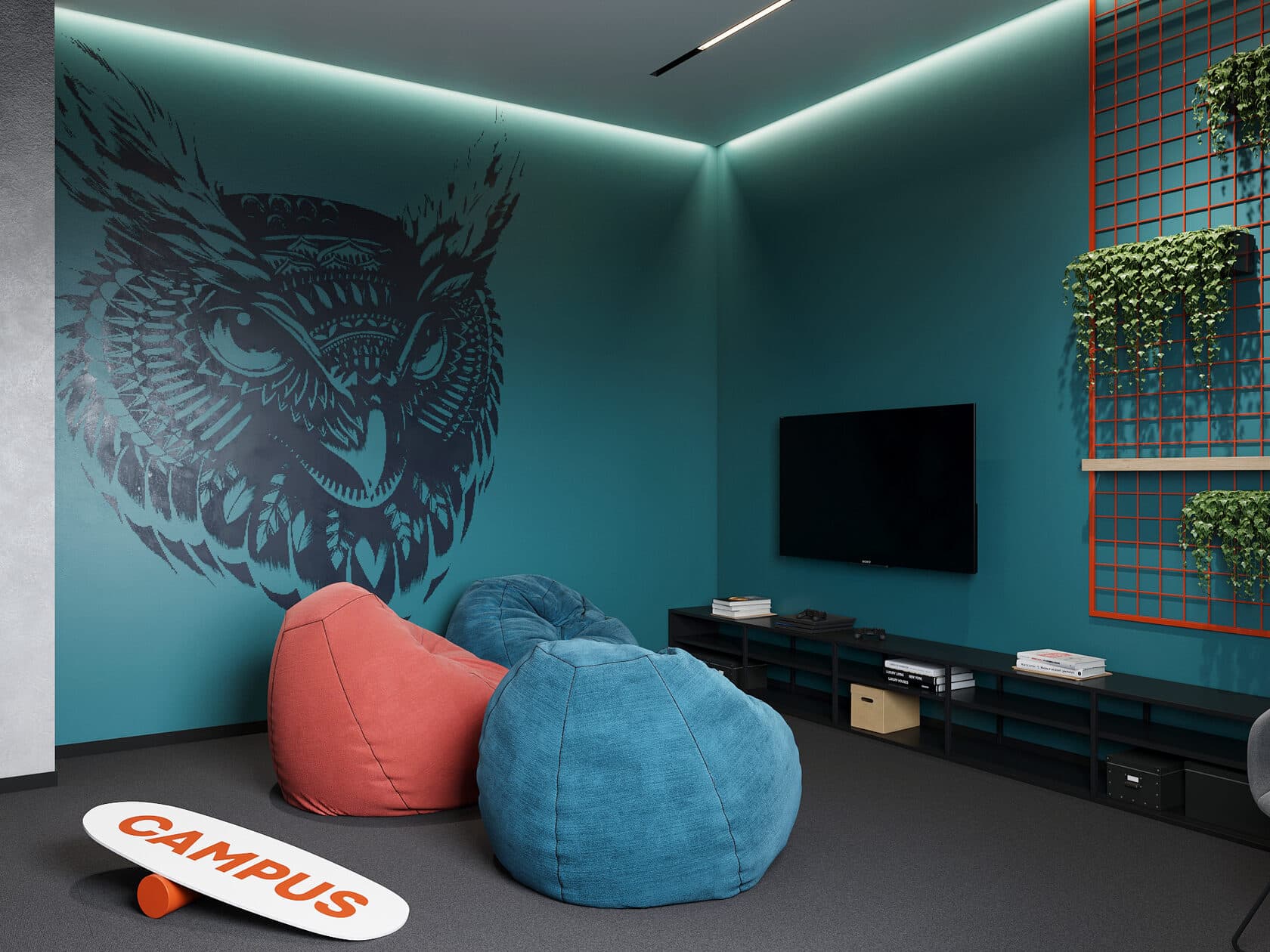
A poor coworking office design can discourage users very quickly. Uncomfortable chairs, noise, bad acoustics, no private call spaces and a chaotic layout make people look for another place. A good design works in the opposite way. It encourages regular visits and builds loyalty.
Design code for many locations
Coworking networks often grow very quickly. They open new locations in one city or in different parts of the country. In this situation, a consistent design code becomes very important. It means a set of rules that makes every location feel unique, but still clearly connected to the same brand.
A design code can include colours, furniture types, materials, lighting, reception layout, meeting room style and signage. Thanks to this, a user who knows one location can feel comfortable in another one almost immediately.
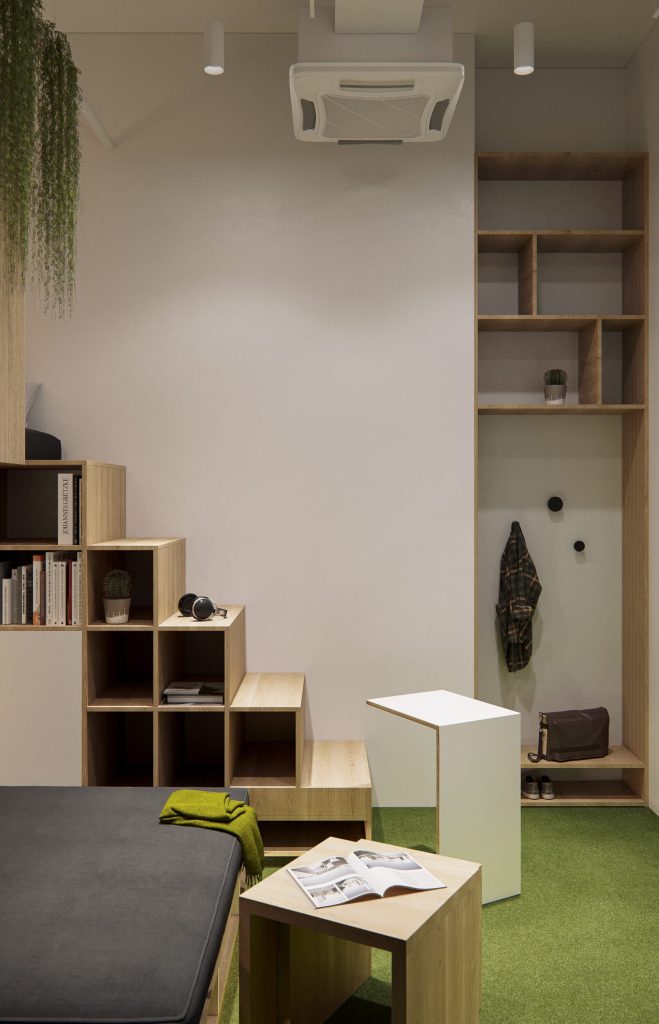
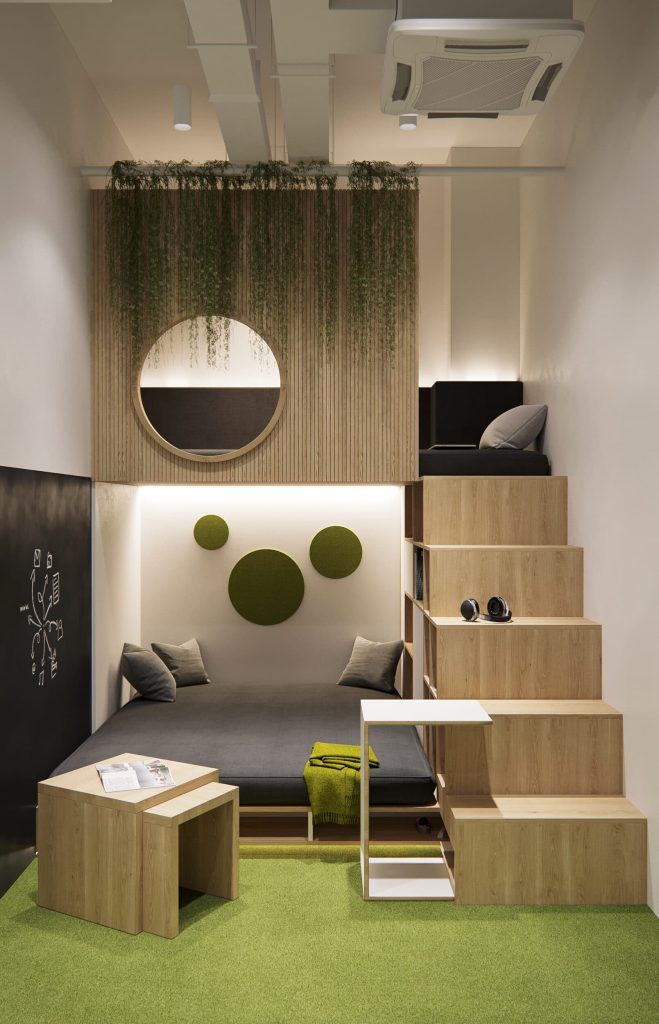
For the operator, this is a big advantage. It is easier to plan purchases, negotiate better prices for larger volumes and open new locations faster. Well-planned coworking office design is not only about aesthetics. It is also part of a growth strategy.
TENGO Design – we design and furnish coworking offices
We have experience in working with coworking operators. For some clients, we have supplied furniture. For others, we have prepared functional layouts. We are also involved in projects connected with carpets and equipment for shared office spaces.
Our strength is a complete approach. We are an office design studio, but also an authorised dealer of many furniture and equipment brands. This means that we can combine interior design with real product knowledge. We know what is available, what can be customised, what can be serviced and what will work in daily use.
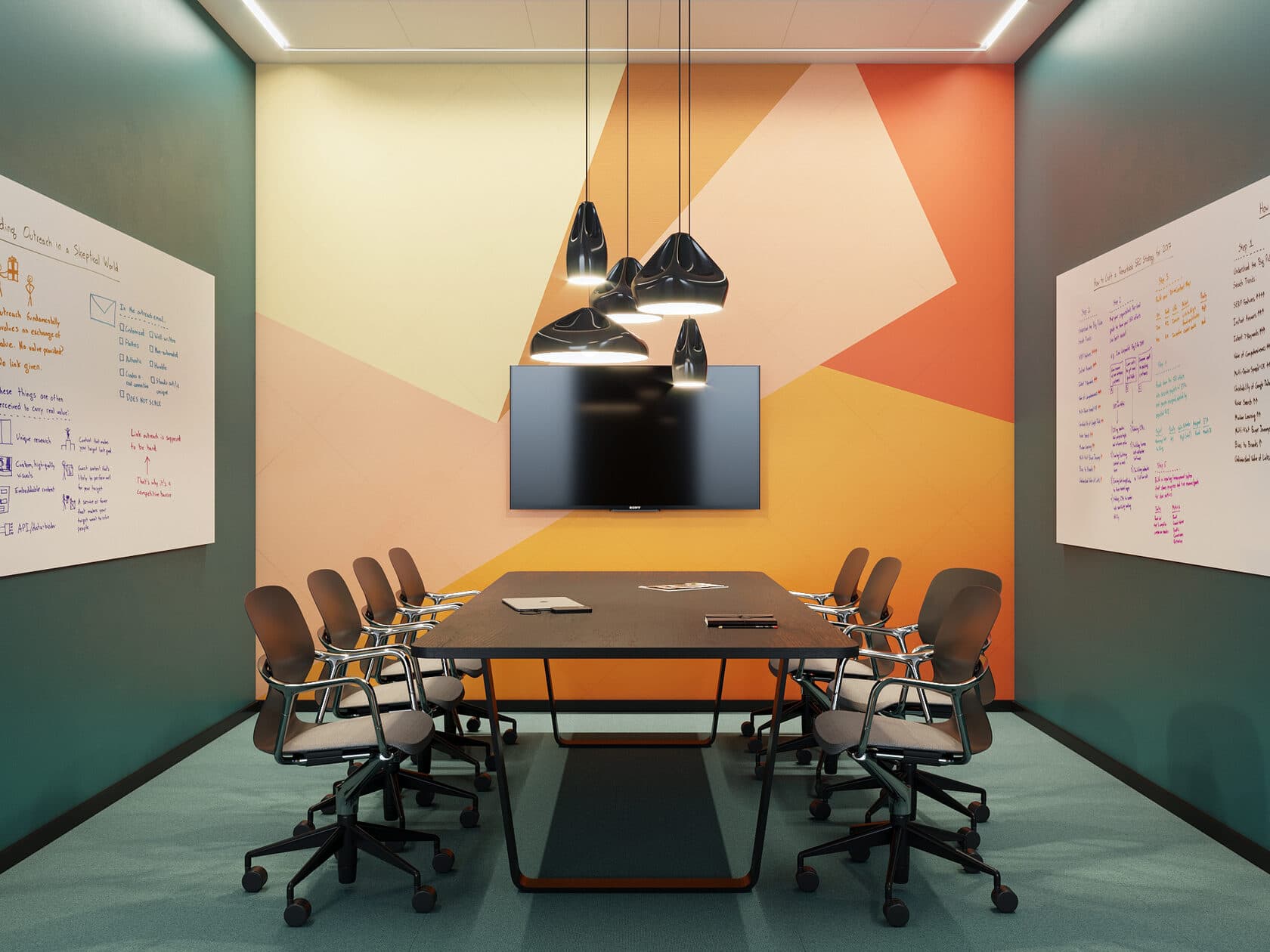
We can help choose fabrics, colours, finishes and specific furniture models. For larger volumes, we can also negotiate attractive price conditions. This is especially important for coworking networks that grow step by step and need repeatable, reliable solutions.
Why work with TENGO Design?
Good coworking design and equipment help avoid expensive mistakes. An experienced team can use the available space better, plan a comfortable functional layout and choose furniture that will work in everyday use.
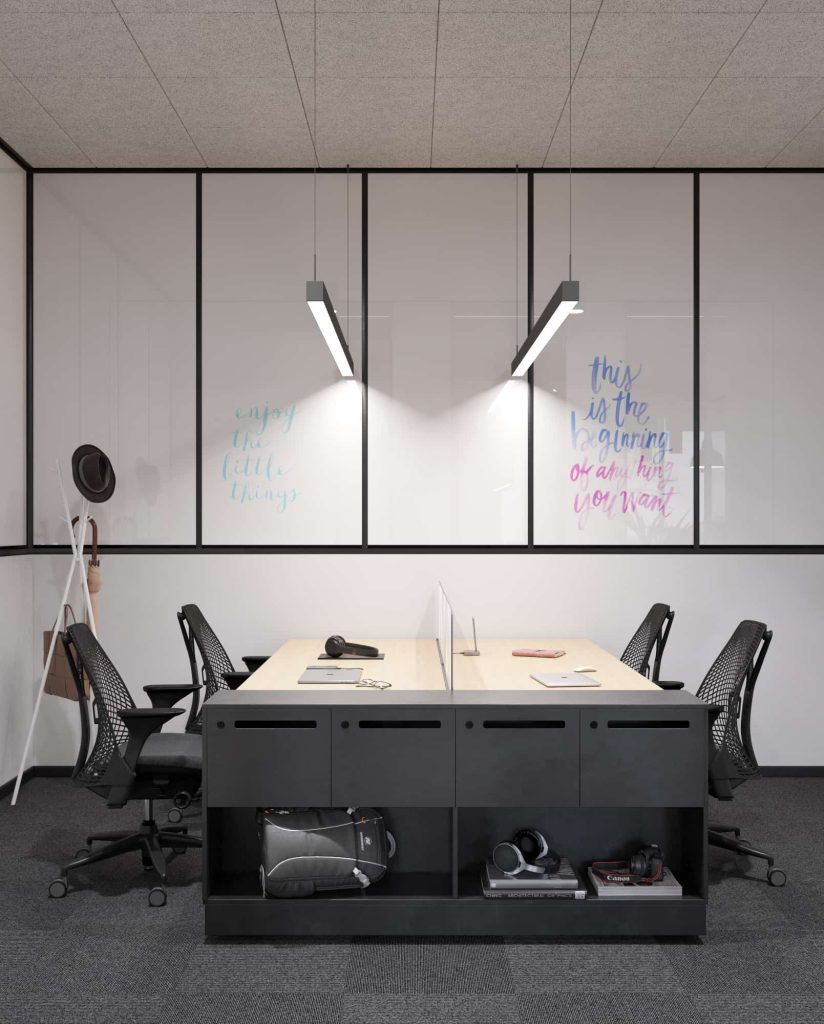
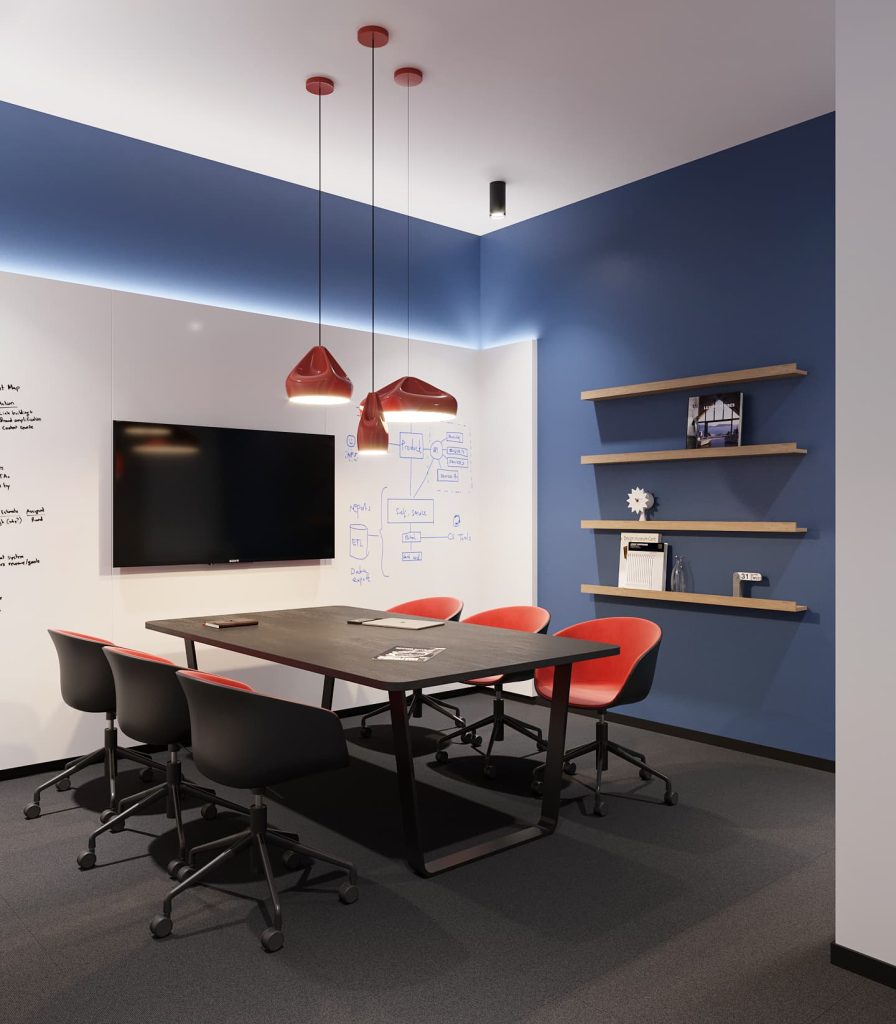
In a coworking space, every metre matters. It is necessary to find the right balance between the number of workstations and user comfort. There should also be enough space for meetings, calls, relaxation and events. This requires practical knowledge of office fit-out and the real way people use shared workplaces.
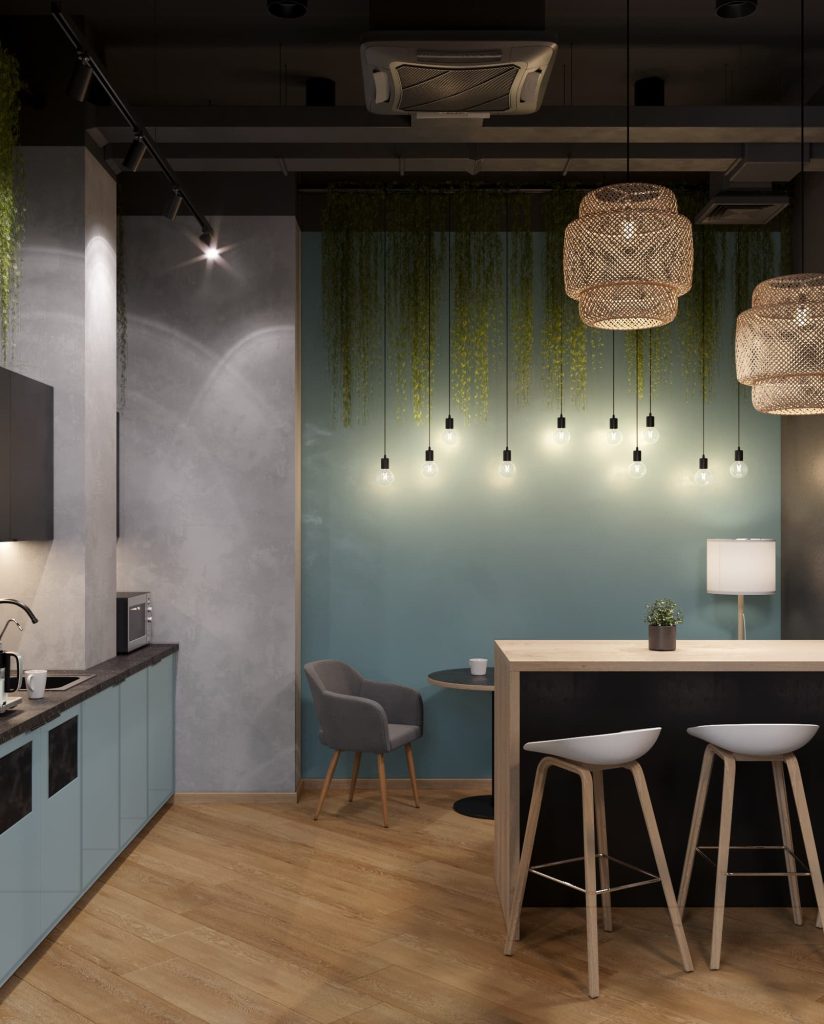
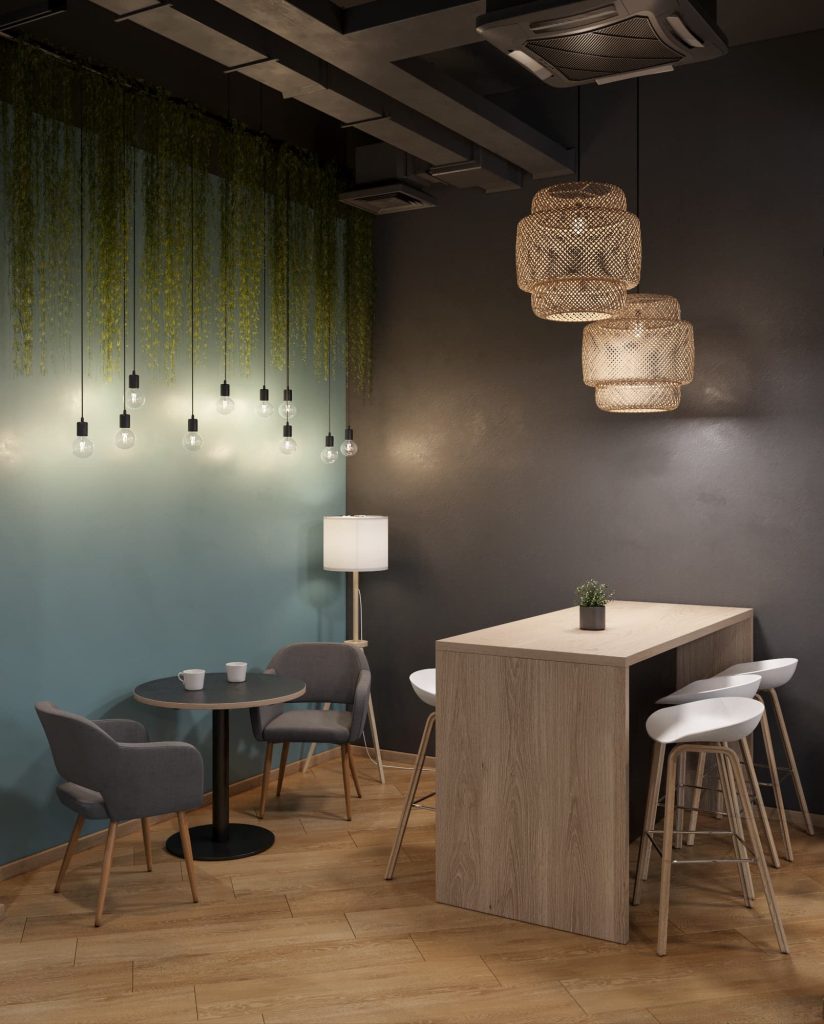
Working with Tengo Design also gives more safety. We provide access to tested products, warranties, service and support at later stages of growth. If the operator opens another location, we can help keep the same design code and quickly complete the furniture and equipment.
A coworking space that looks good and works well
How to design a coworking space that attracts users? The answer is a mix of aesthetics, function, durability and flexibility. A well-designed shared office does not only look good in photos. It works every day. It helps people work, meet, rest and build relationships.
If you are planning to create, expand or modernise a coworking office, it is worth talking to a team that understands both interior design and the furniture market. Tengo Design can support you from the first consultation, through concept and functional layout, to the delivery of furniture, carpets and other equipment.