Materials in modern interiors — 10 trends for 2025 according to TENGO Design
Climate change, growing consumer awareness and rapid design tech innovation — all these factors mean that sustainable interiors are no longer just a trend. They’re becoming a real requirement for modern users of office and commercial spaces. At Tengo Design, we’ve been embracing responsible design for years now — beautiful, functional and conscious. We create interiors that support both people and the planet, whether it’s a private apartment or a large commercial fit-out.
Here are 10 sustainability trends we believe will shape the world of interior design in 2025.
1. Natural materials — back to the roots
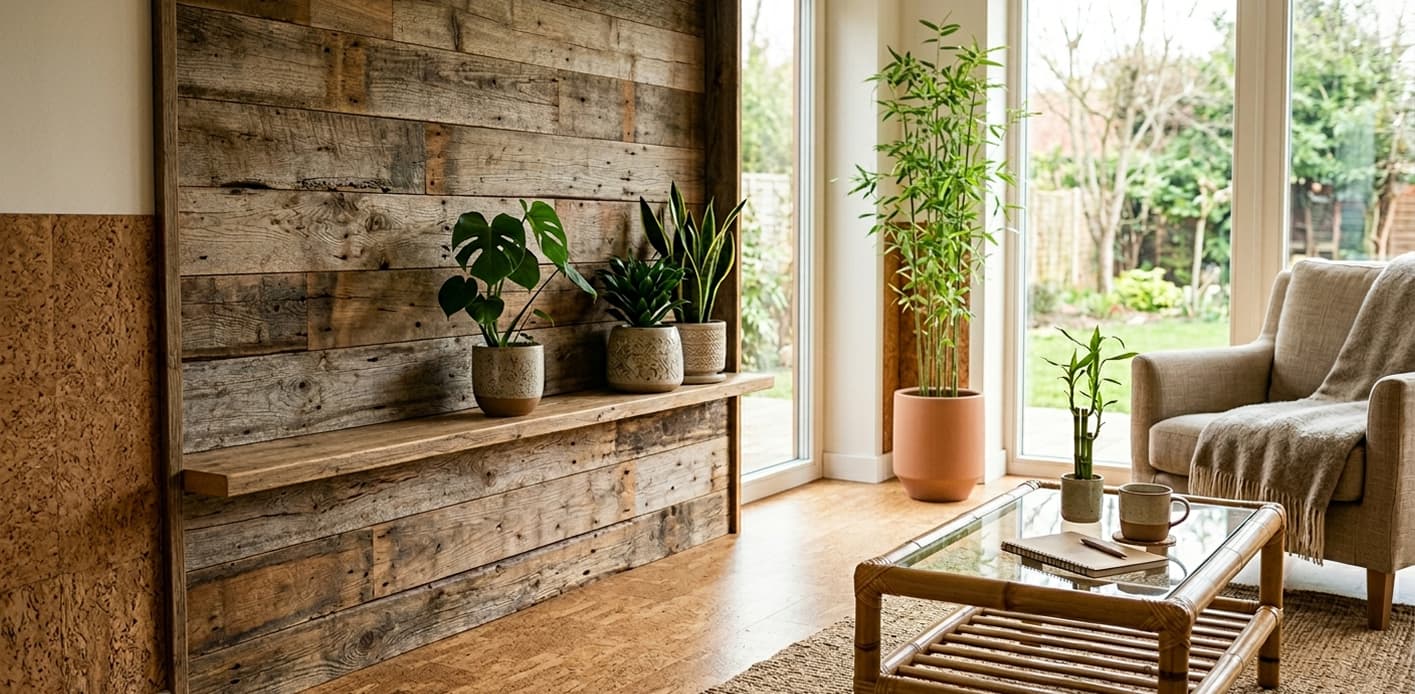
Bamboo, cork, even reclaimed wood — these materials are making a comeback, and it’s no surprise. They’re durable, visually appealing, and bring a warm, natural touch to any space. Using them is a win-win: it’s eco-friendly and also just really nice to look at.
Natural stone, like marble or granite, is also making waves. Timeless, classy and highly resistant to wear — perfect for long-lasting, sustainable design. After all, durability is one of the key pillars of eco-conscious interiors.
2. Innovative materials — biotech meets design
They used to sound like sci-fi, but today they’re a reality. Think mycelium (aka mushroom roots), mushroom leather or algae-based textiles. Fully biodegradable, gentle on the environment, and — bonus — they look amazing.

From furniture and lighting to wall panels and accessories, these materials are making a statement. And while they’re still a novelty, we’re pretty sure they’ll soon be popping up in more homes and offices.
3. Eco-friendly textiles — soft, sustainable & smart
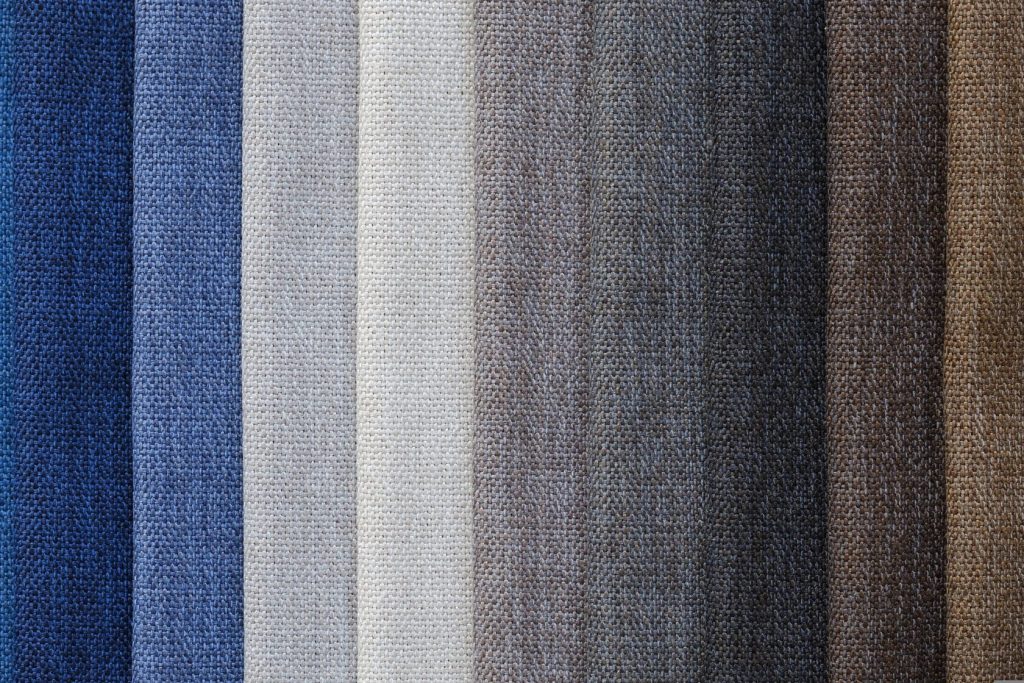
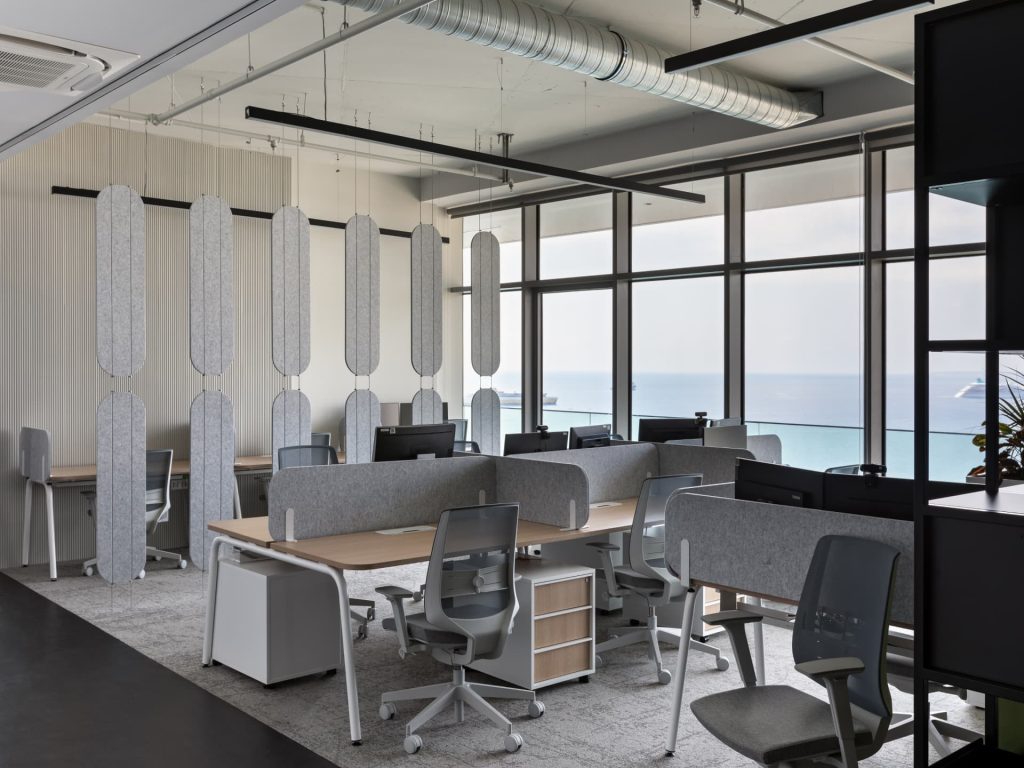
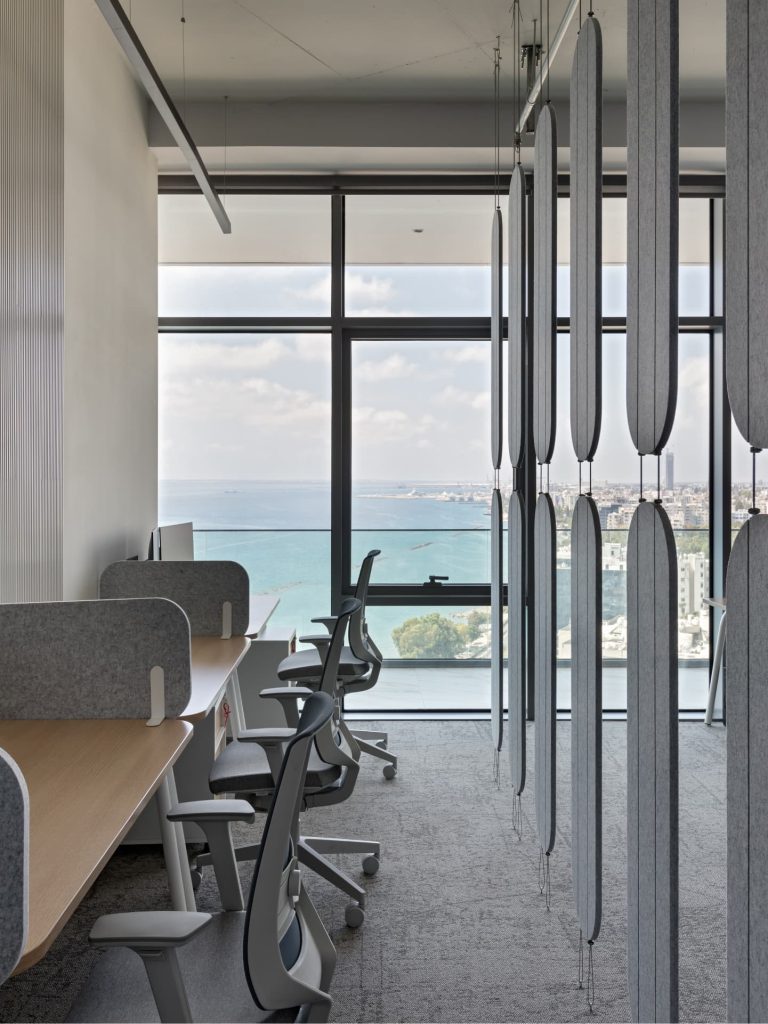
Linen curtains, organic cotton, hemp fabrics, recycled fibers — the list of earth-friendly textiles keeps growing. They’re not just good for the planet — they’re breathable, hypoallergenic and hard-wearing, making them ideal for everyday use. We love using them in upholstery, cushions, or acoustic panels. Style and sustainability really can go hand in hand.


4. Upcycling — giving things a second life
Why buy new when you can reinvent what already exists? Old doors, wooden beams, vintage chests — with a little creativity, these items can shine again. It’s a great way to reduce waste and add real character to an interior. Every item tells a story — and we’re here to help retell it, with respect for the past and a vision for the future.
5. Biophilic design — bringing nature indoors
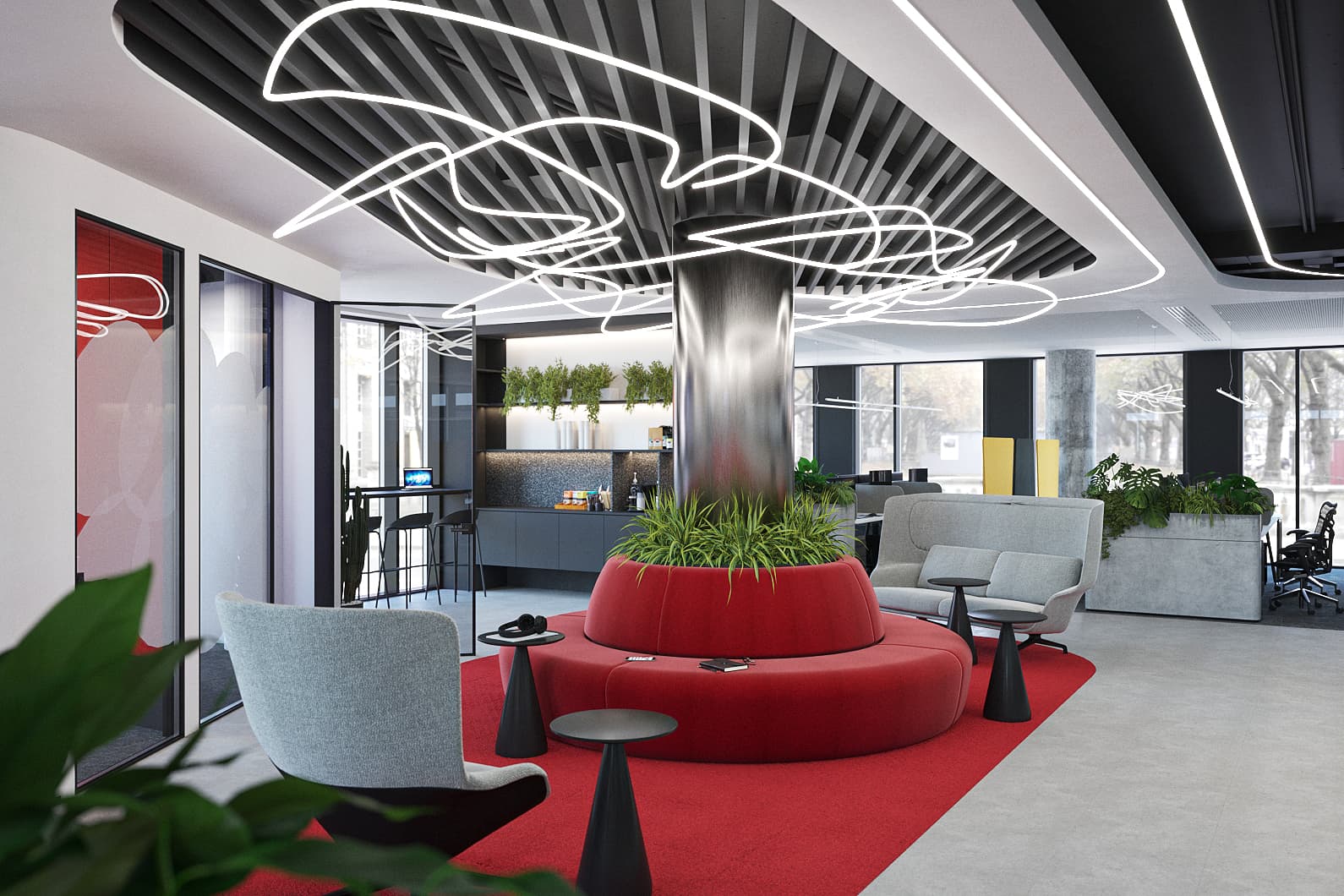
Biophilic design — creating office and home spaces inspired by nature — is gaining more traction than ever. Think natural light, greenery, earthy materials, and views of the outdoors. These elements don’t just make spaces look better — they help us feel better too.
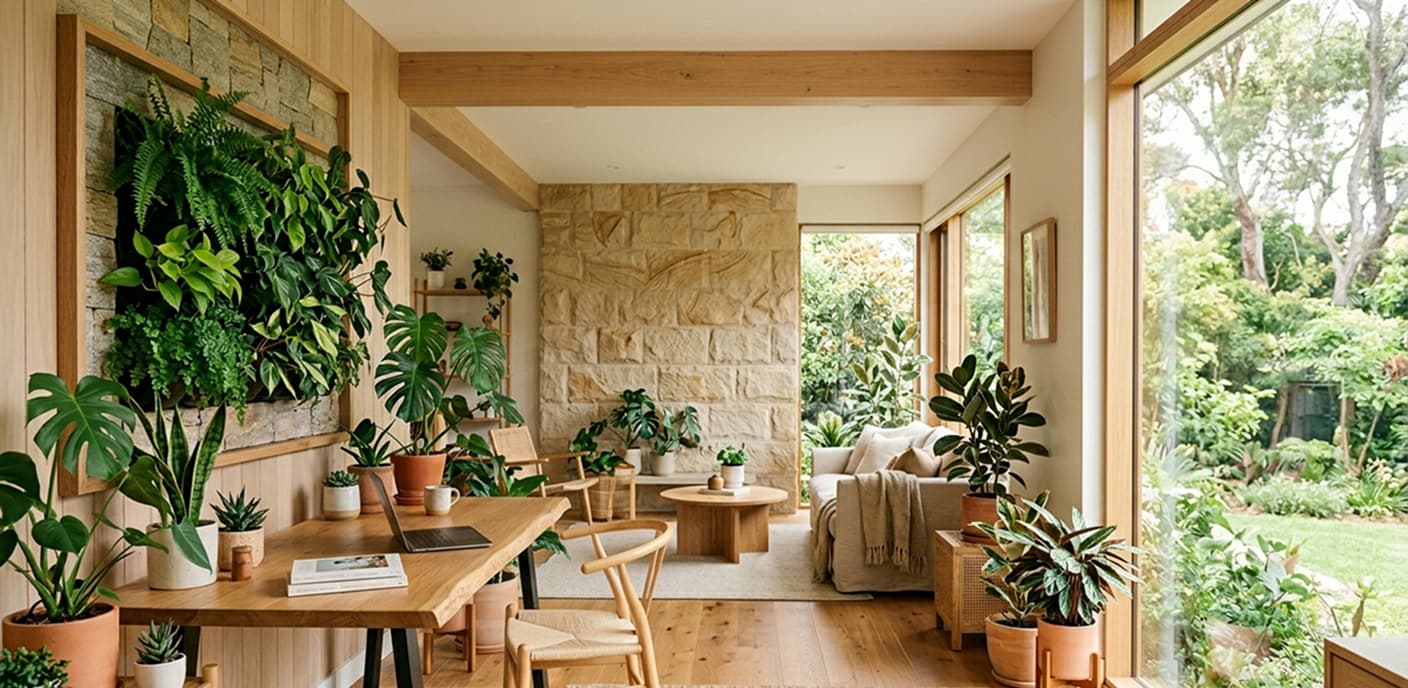
At home, they can boost wellbeing and focus; at work, they increase productivity. Plants, big windows, wood, stone — they’re not just decorative. They make a real difference.
6. Smart, green tech — design meets efficiency
Smart lighting, LED systems, climate control — what used to be a luxury is now part of sustainable design. Today’s technologies help reduce energy use and make interiors more user-friendly. Our designers make sure that tech solutions not only do their job, but also complement the look and feel of the space.
7. Non-toxic finishes — because health matters
A room can look stunning — but is it safe? In 2025, more and more clients are asking for low-VOC (volatile organic compounds) paints and finishes. And for good reason — indoor air quality affects our health more than we realize.
We use paints, oils and waxes made from natural ingredients — plant-based or mineral — so our interiors can look great and "breathe" naturally too.

8. Recycled materials — smart reuse
Plastic, glass, metal — they don’t have to go to waste. More and more often, they’re being reimagined as furniture, lighting or decorative elements.
We love working with PET boards made from recycled bottles, reclaimed glass, and repurposed metals. Not just for sustainability — these materials often bring bold aesthetics and serious durability to the table.
9. Local sourcing — short supply chains, big benefits
Sustainable design isn’t just about what something is made from — it’s also about where and how. We’re big fans of working with local artisans, makers and suppliers. It means fewer emissions, faster lead times, and support for the local economy.
At TENGO Design, we collaborate with Polish manufacturers, craftspeople and designers who share our values: quality, transparency and responsibility.
10. Less is more — the power of minimalism
Forget excess — think purpose. Minimalism today isn’t about cold, empty spaces. It’s about consciously choosing what really matters. A minimalist interior feels calm and functional. It gives you room to live — without clutter. Fewer pieces, but made from strong, lasting materials. A look that’s both beautiful and planet-friendly.