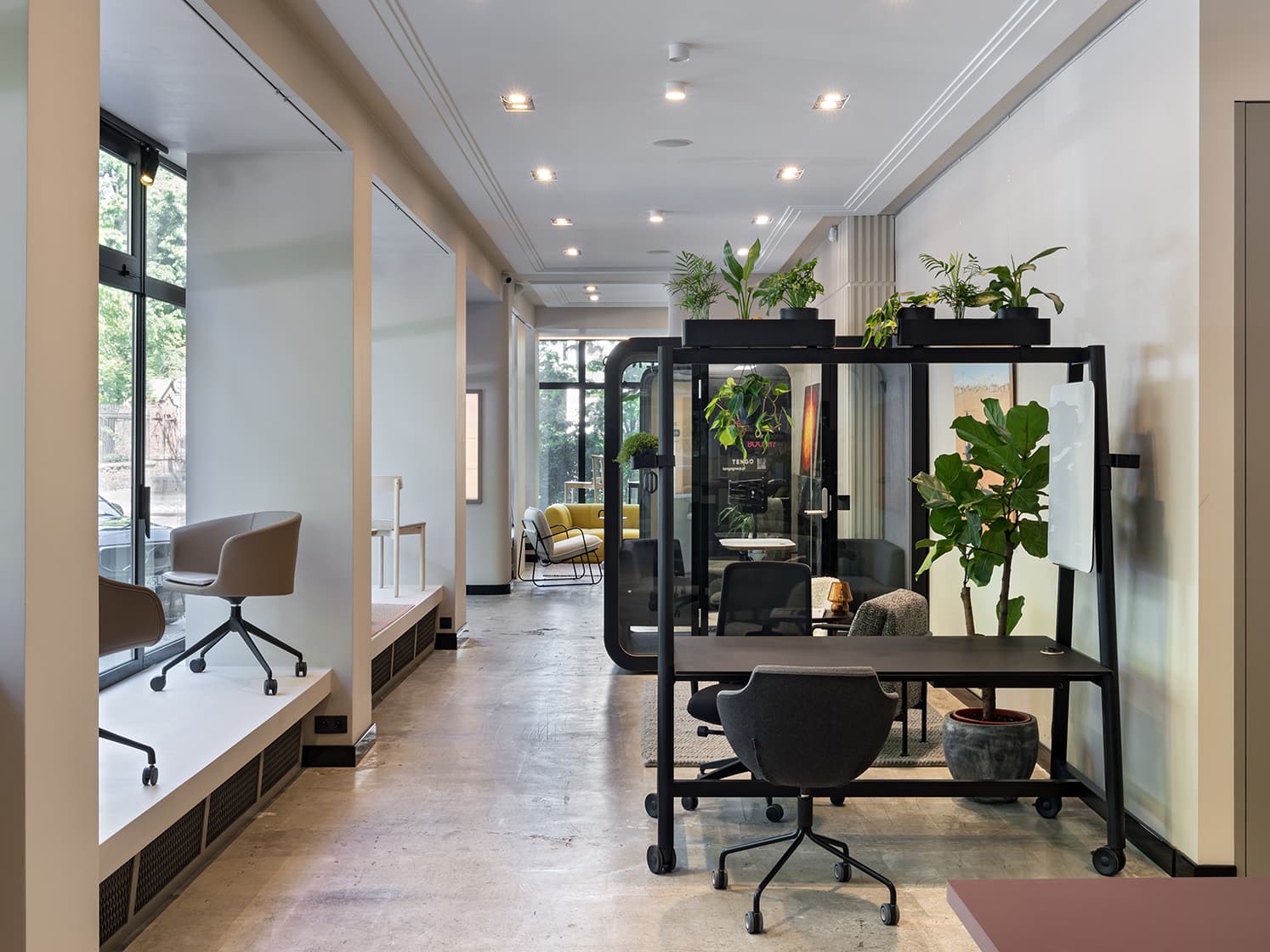
Office design trends 2026: how to design a workspace that meets expectations
The year 2026 is not bringing a revolution. It is bringing maturity. Companies already understand that the office is not just a place to sit at a desk and work. It is a tool for building organizational culture, improving efficiency, and supporting the wellbeing of teams. That is why office design in 2026 is based on data, flexibility, and conscious material choices. Reports on the labor market and workplace trends clearly show that the hybrid work model is here to stay. Artificial intelligence is changing the way tasks are performed, and wellbeing is no longer a perk. It is becoming a standard. Office design trends in 2026 are a response to these developments. In the article below, we describe several workplace design trends that we are already observing at the beginning of this year.
What will change in office design in 2026?
Just a few years ago, offices were designed mainly around the number of workstations. Today, that’s no longer enough. Companies are analyzing when and why employees come into the office. They are asking a new question: what role does the workplace play in the organization’s overall strategy? A big part of this shift is driven by the growing expectations of clients — company owners and managers responsible for designing and organizing the workspace.
The office is meant to support collaboration, creativity, and relationships
The office should support collaboration, creativity, and relationships, while also providing the right conditions for focused work. Designing offices in 2026 therefore requires a deep understanding of how people actually work. Without this insight, it’s impossible to create a space that truly functions well. That’s why the designers at Tengo Design always make an effort to thoroughly understand their client first, and only then begin the architectural design process.
Trend 1: The hybrid work model as a starting point
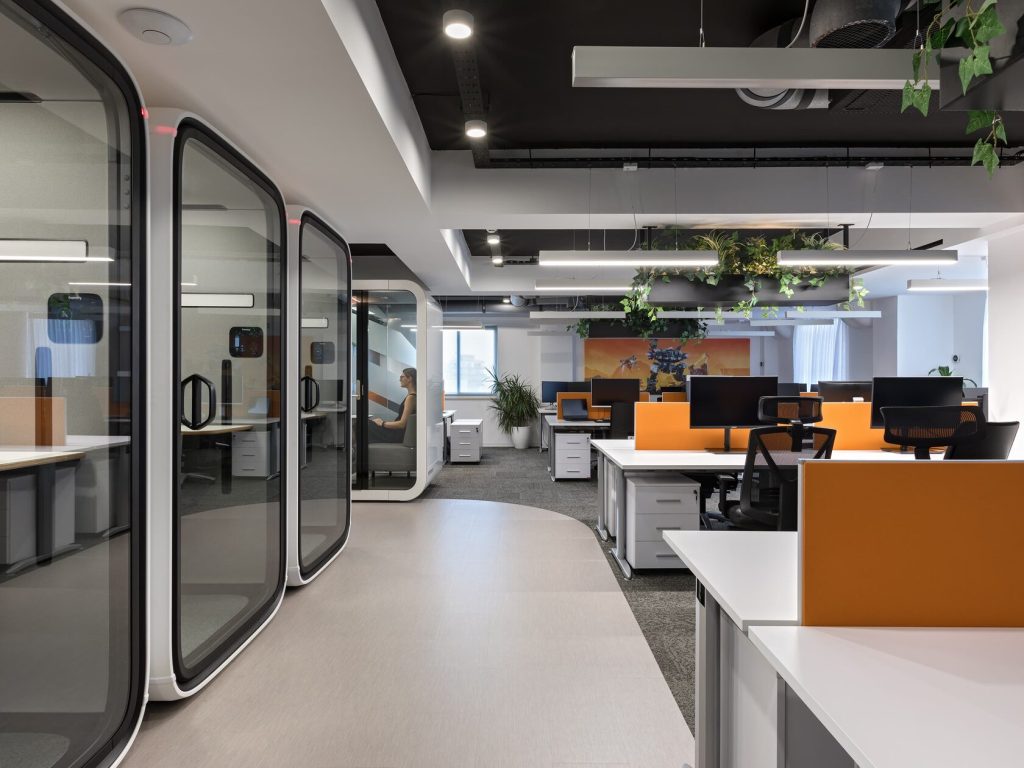
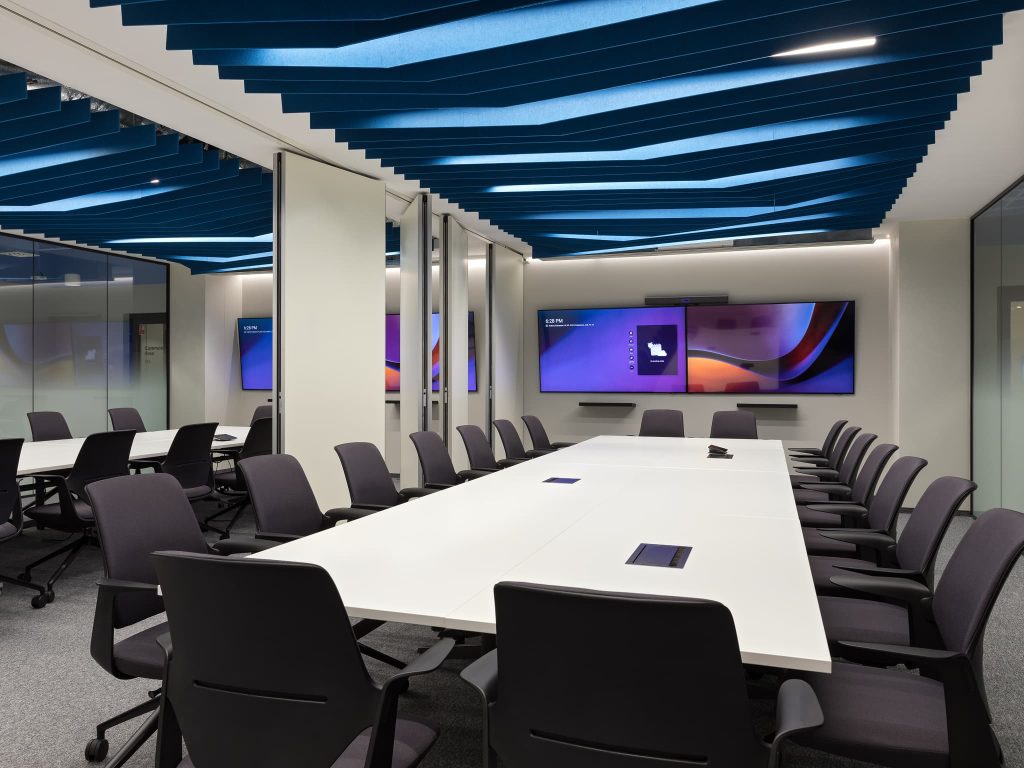
The hybrid model is no longer an experiment — it has become the norm in many industries. This means that offices can no longer be designed on the assumption that everyone is present every day. The number of permanent workstations is increasingly being reduced, while the number of meeting zones, project rooms, and collaborative workspaces is growing. Spaces for focused work and acoustic booths for online calls are also appearing. The office is becoming a place that fosters creativity and encourages people to come in, even when employees have the option to work from home. This is also an important part of HR strategy, helping companies attract top talent. For these employees, a welcoming and well-designed office is just as important as salary and benefits.
How do you design an office for 2026 in a hybrid model? First, you need to identify the activities that will take place there. Next, translate them into a functional layout. Only after that should you start thinking about aesthetics. An office design should be driven by the work strategy, not by fleeting trends.
Trend 2: AI as a collaborator
Artificial intelligence is increasingly supporting teams. It automates certain tasks, helps analyze data, and influences decision-making processes.
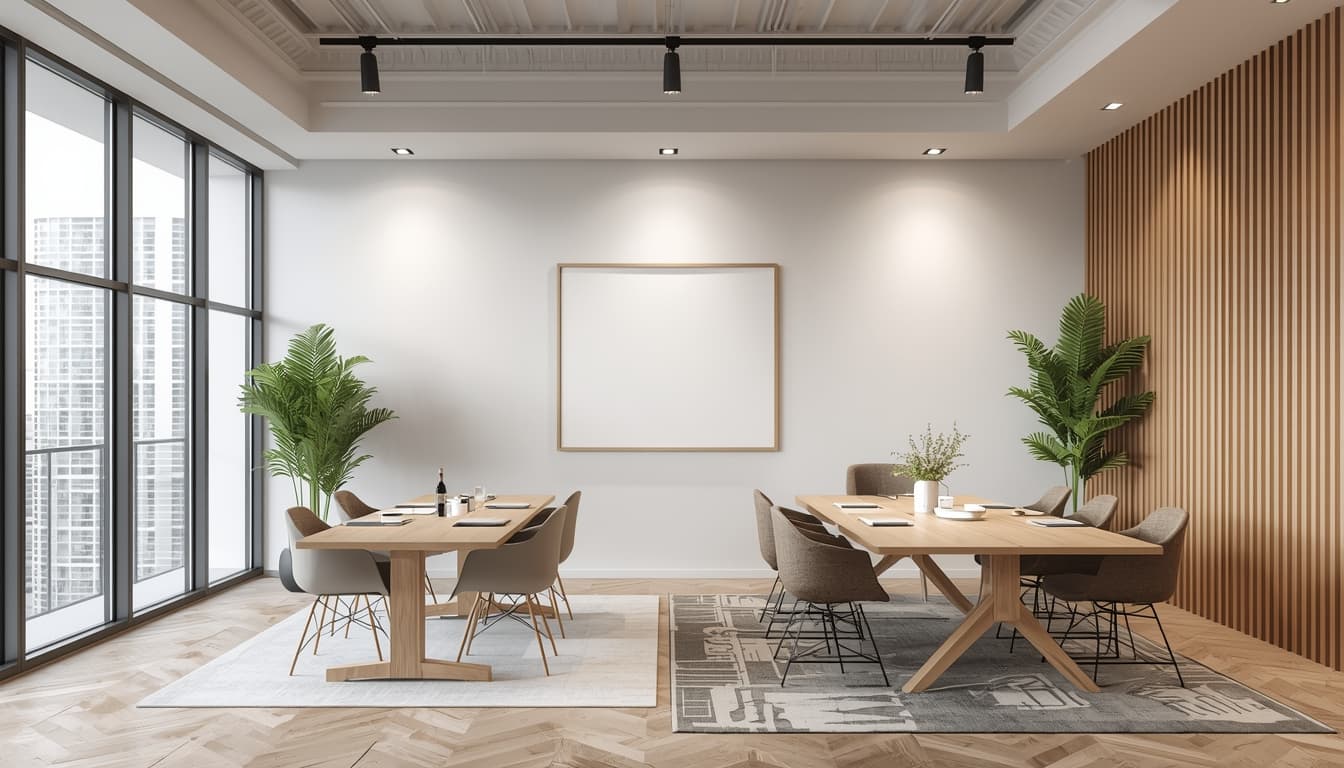
This has implications for office design. Spaces for analytical work are needed — places where teams can collaboratively interpret results generated by AI tools. The importance of workshop rooms and flexible project spaces is growing. How do you design an office in 2026 when part of the work is done by technology? You need to create an environment that supports human skills: creativity, critical thinking, and collaboration.
Trend 3: Wellbeing and longevity in the spotlight
Wellbeing is no longer just a marketing buzzword. Companies recognize that workplace comfort directly impacts employee retention and business performance. Today, wellbeing also reflects the genuine expectations of team members, and often of the company owners themselves.
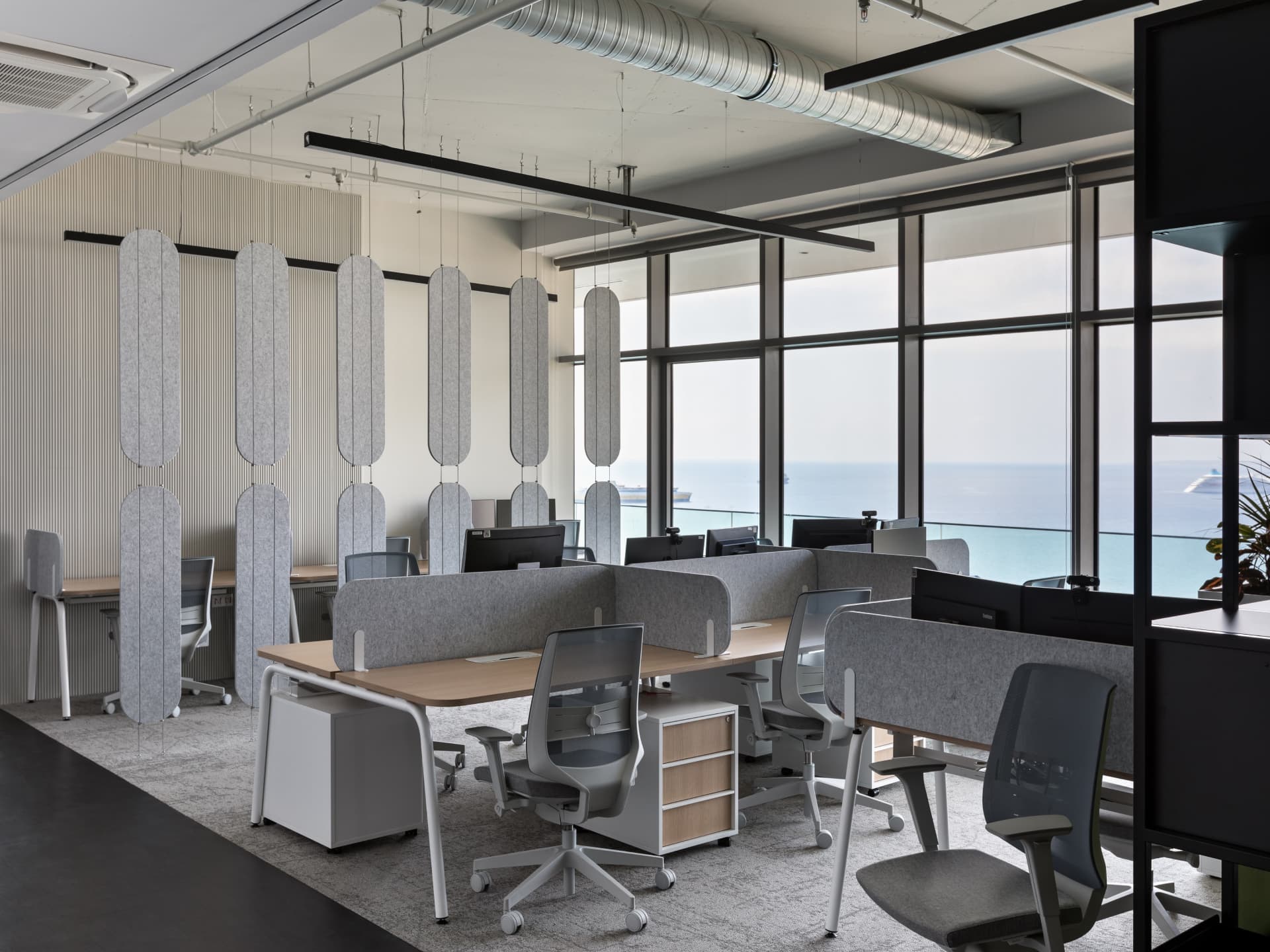
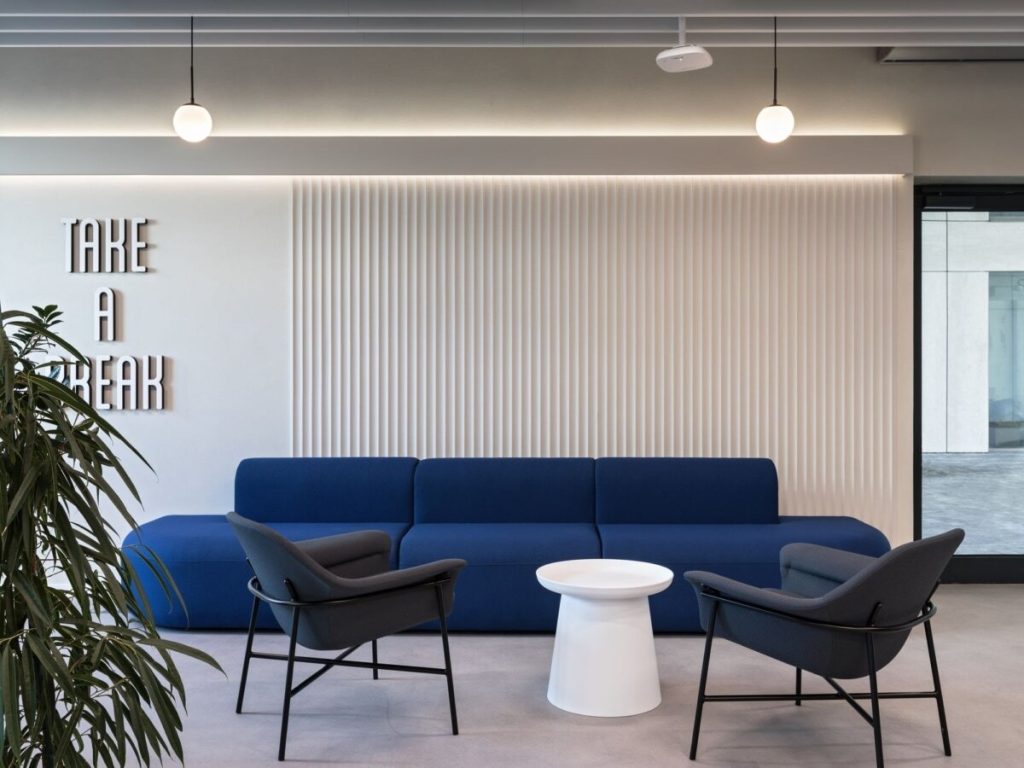
Office design in 2026 takes into account access to natural light, ergonomic furniture, and good acoustics. Recovery zones are playing an increasingly important role — these can include quiet rooms, small libraries, or spaces for short breaks. Materials are also key: low-VOC finishes, natural textures, and acoustic solutions made from recycled materials are now standard in modern office design.
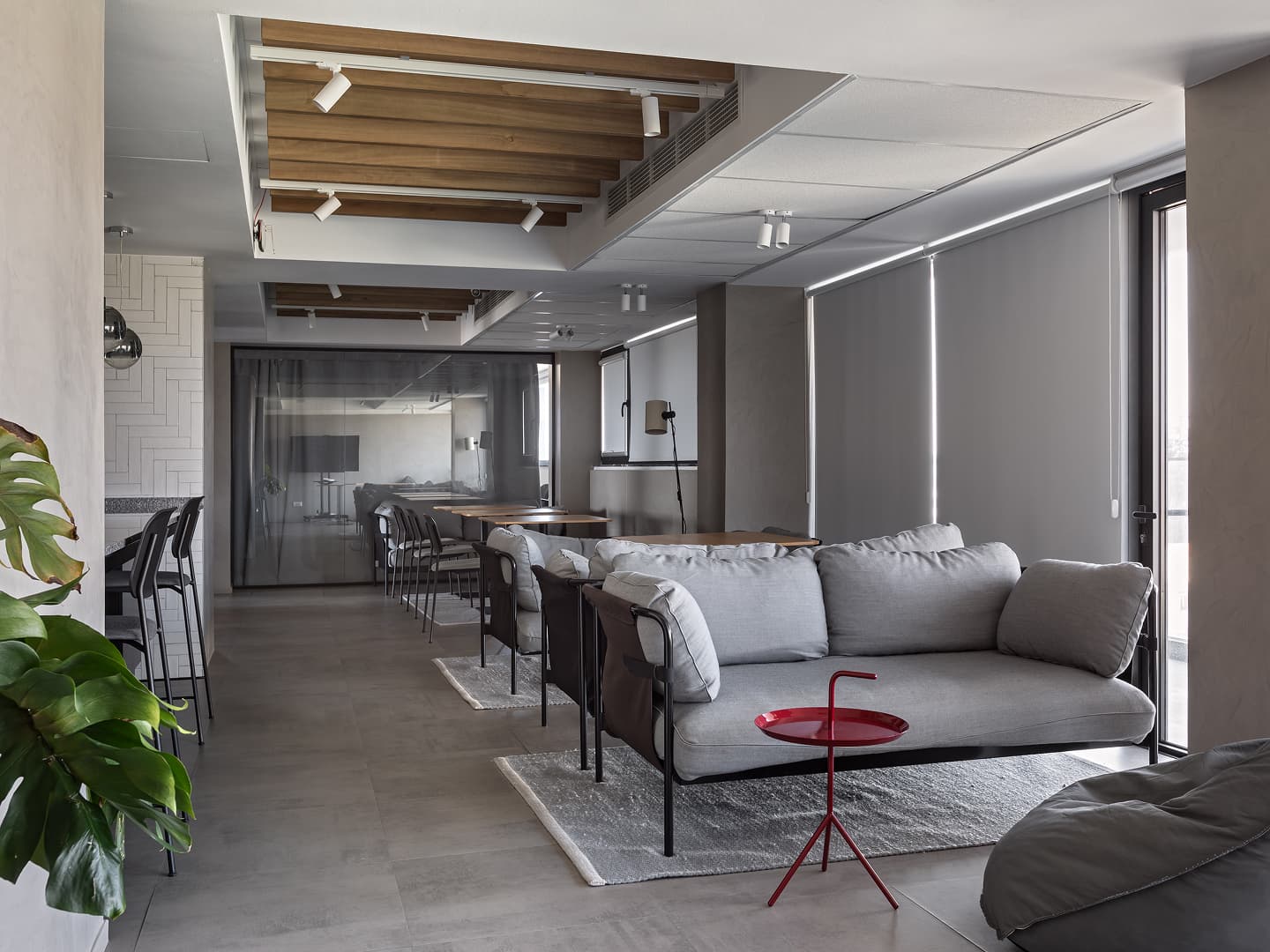
The office should support both physical and mental health, not just productivity. Longevity means designing for the long term: choosing durable materials, modular furniture systems, and space layouts that can be easily adapted to organizational changes.
From a wellbeing perspective, investing in a friendly office also pays off for the employer. It results in a more satisfied team, reduced fatigue, and even fewer absences related to health and wellbeing.
Trend 4: Sustainable materials and responsible design
Trends in office design for 2026 clearly highlight the growing importance of sustainability. Companies are analyzing the carbon footprint of their investments, asking about the origin of materials, and choosing local suppliers. PET felt acoustic panels are becoming popular, and FSC-certified wood is increasingly used. Modular furniture that can be moved to a new location is also a common choice.
Responsible design doesn’t mean compromising on aesthetics. On the contrary, well-chosen materials give interiors character and authenticity.
Trend 5: Flexibility and modularity
The business environment is changing rapidly. Teams grow or reorganize, and companies merge departments or create new structures. Office design in 2026 assumes that spaces must be easy to modify. Lightweight partitions, modular furniture, and mobile equipment allow layouts to be changed quickly. How do you design an office in 2026 without needing costly renovations every time something changes? You need to think modularly. Every element should be
part of a larger system.
Trend 6: Acoustics and Privacy
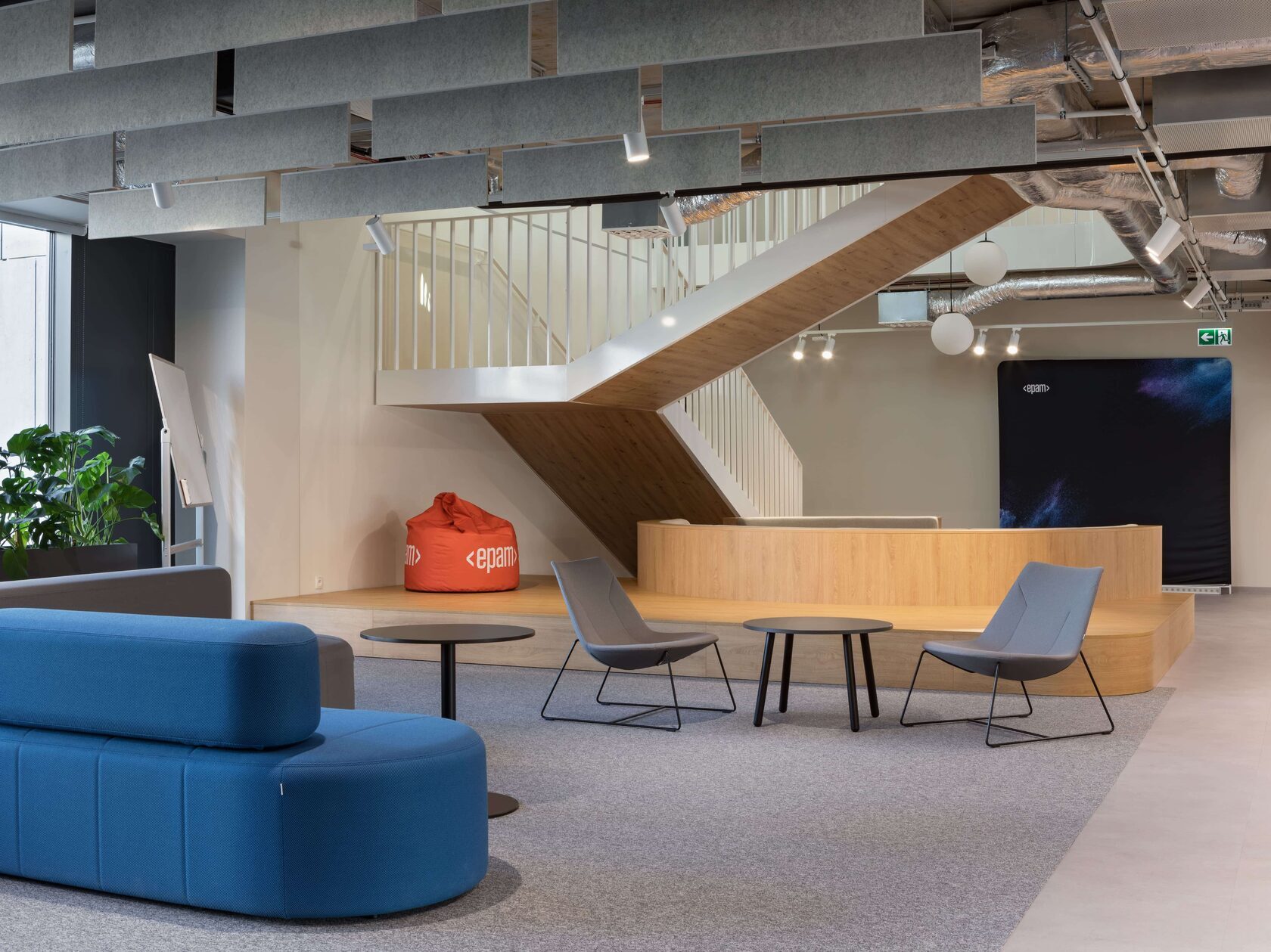
Shared spaces are efficient, but they generate noise. That’s why acoustics are once again a central focus for designers.
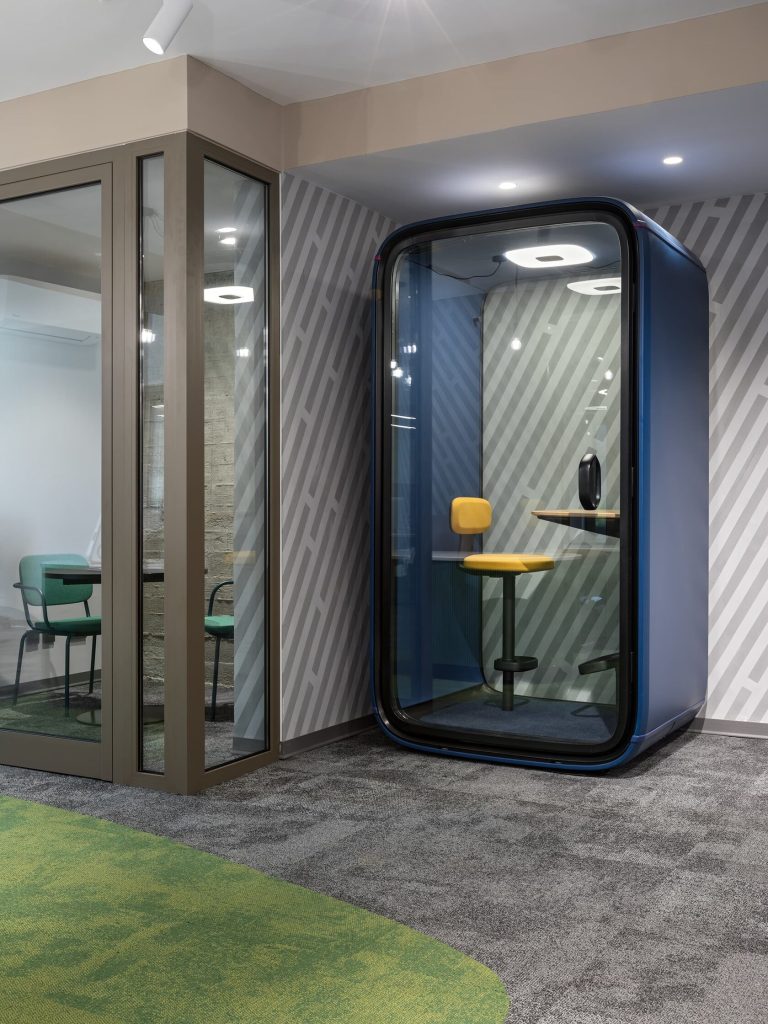
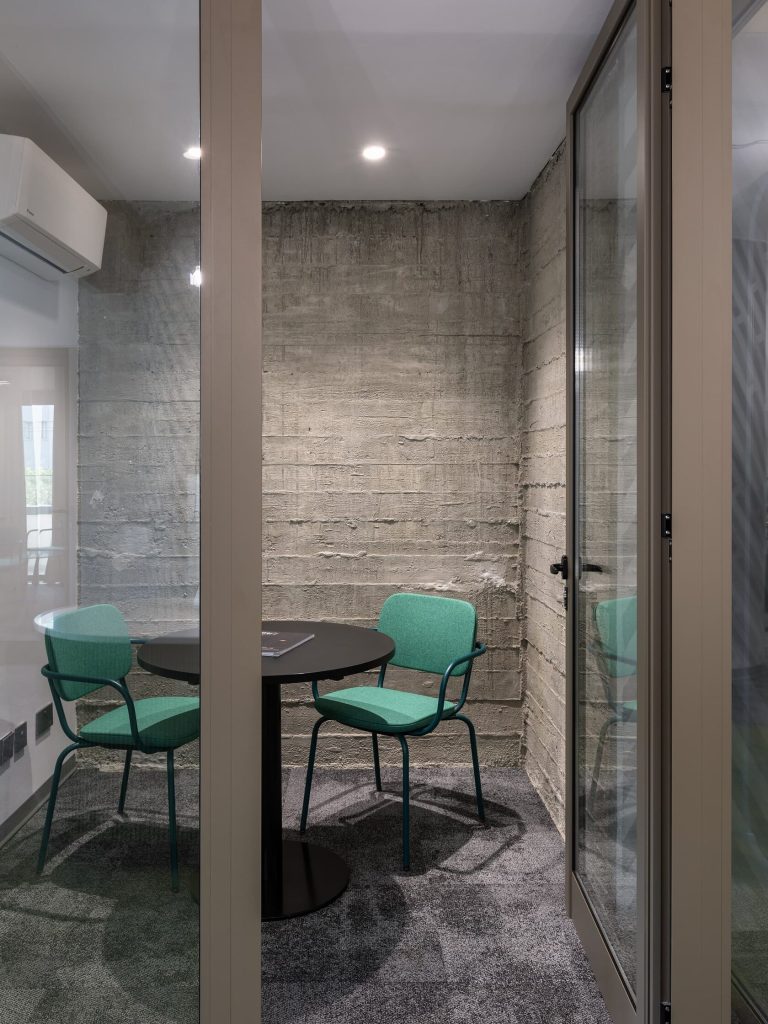
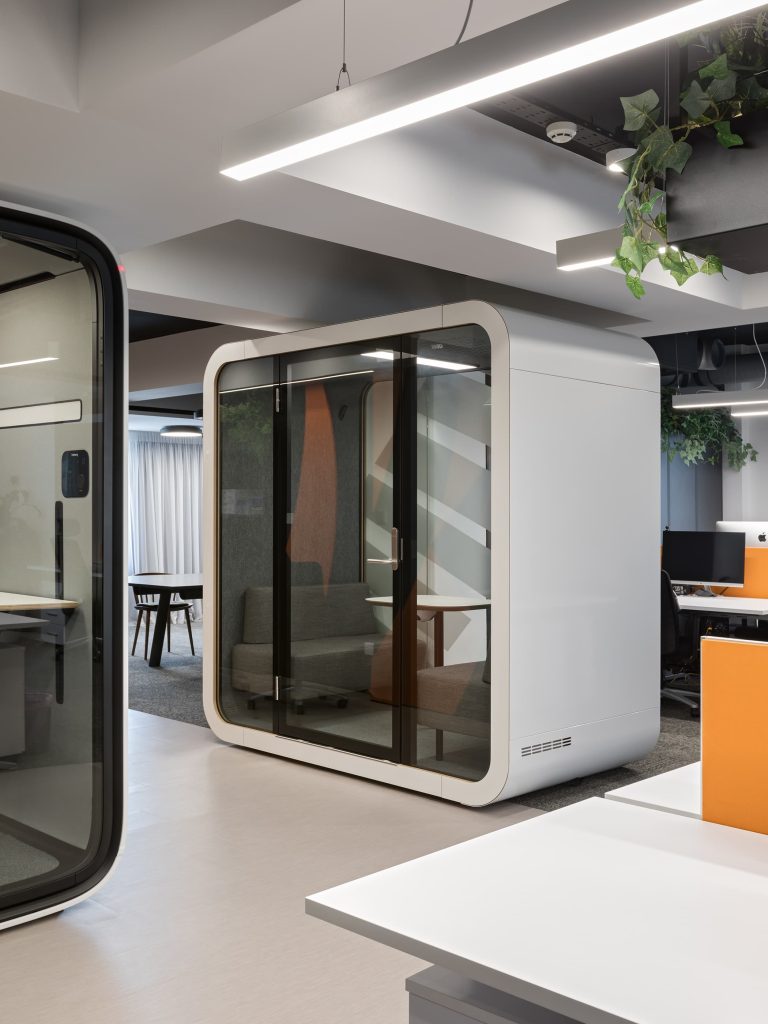
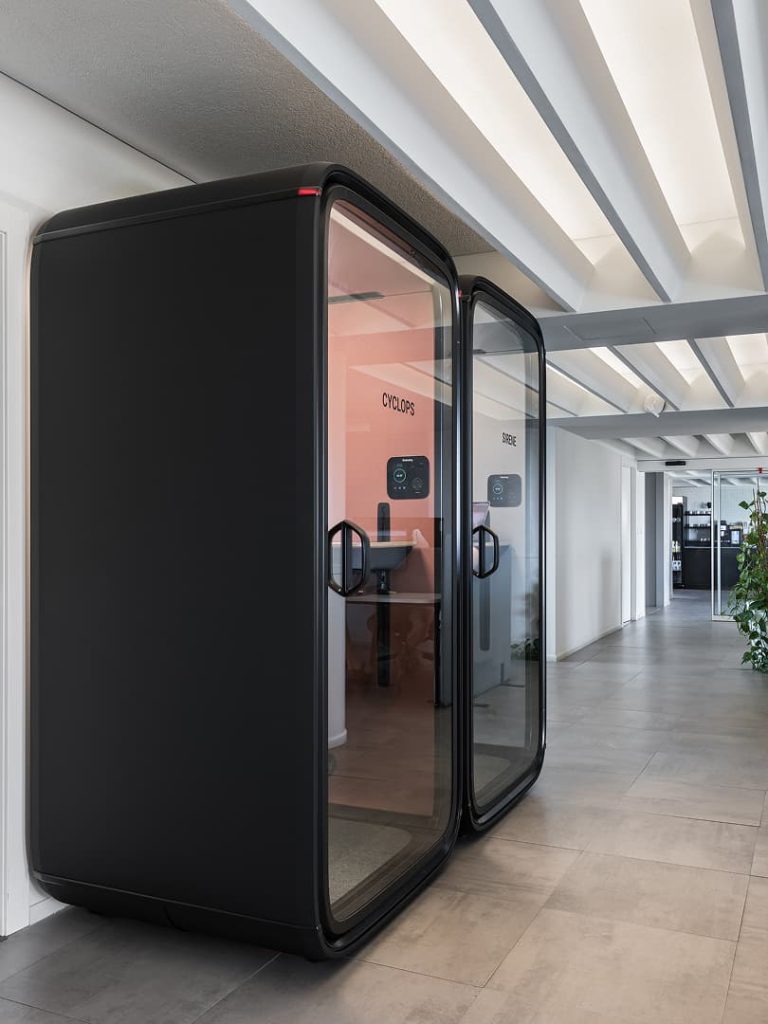
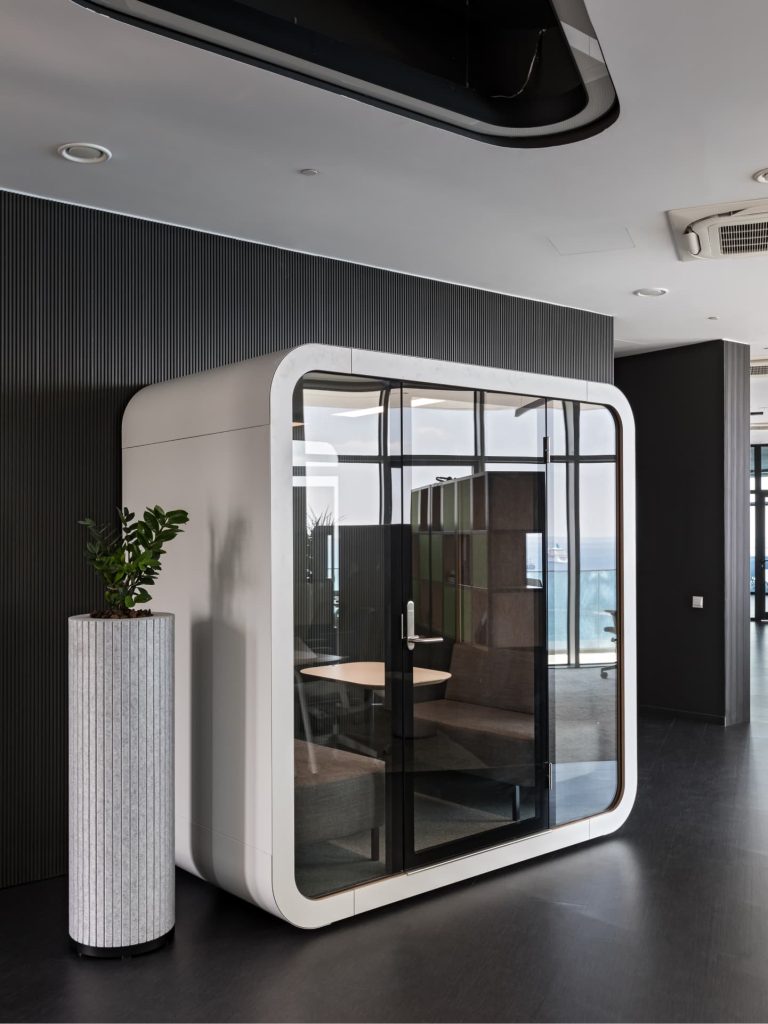
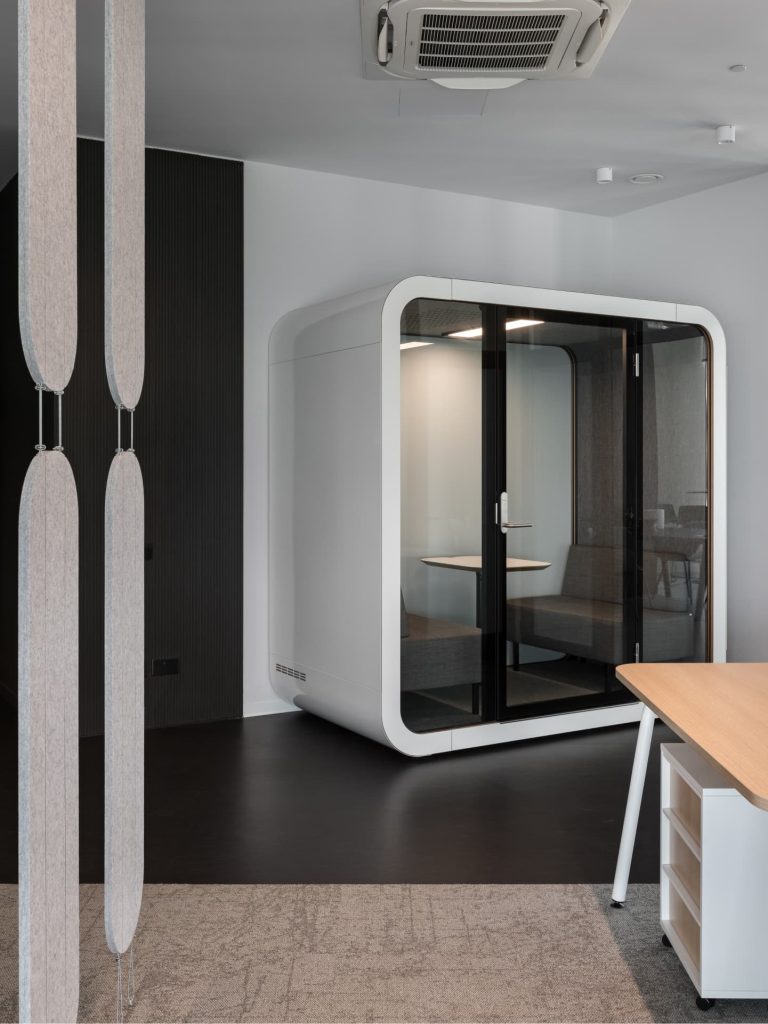
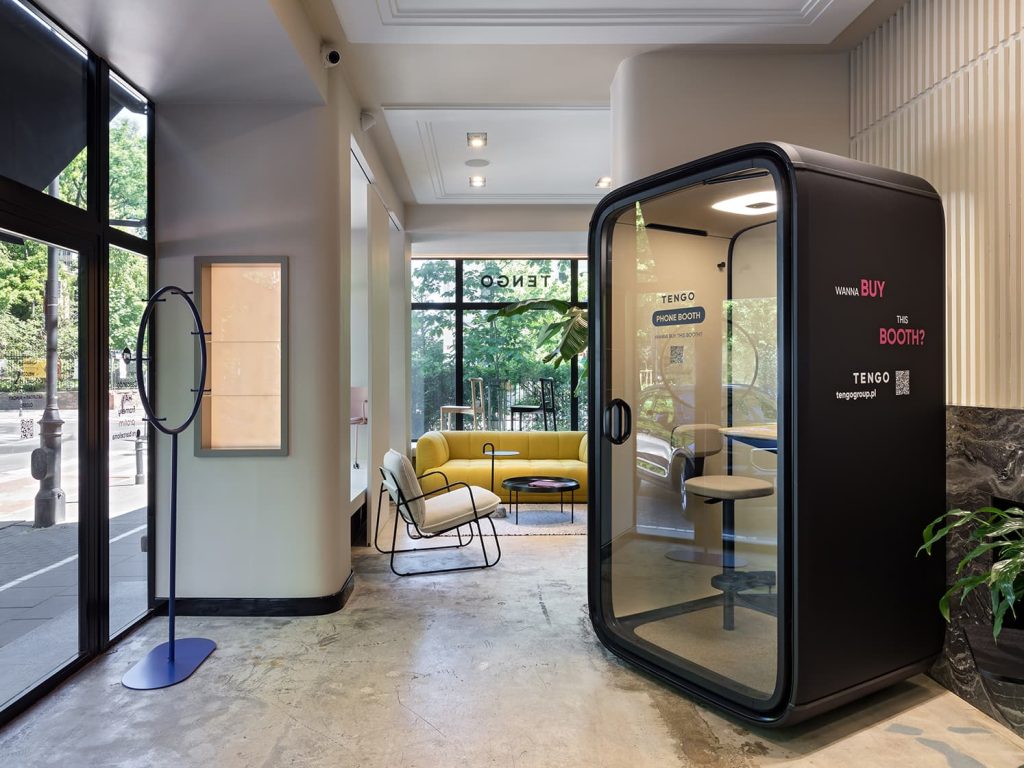
Modern offices are introducing phone booths, quiet zones, and sound-absorbing panels. Semi-enclosed work areas for small teams are also becoming more common. Good acoustics are not a luxury — they are essential for concentration and comfort.
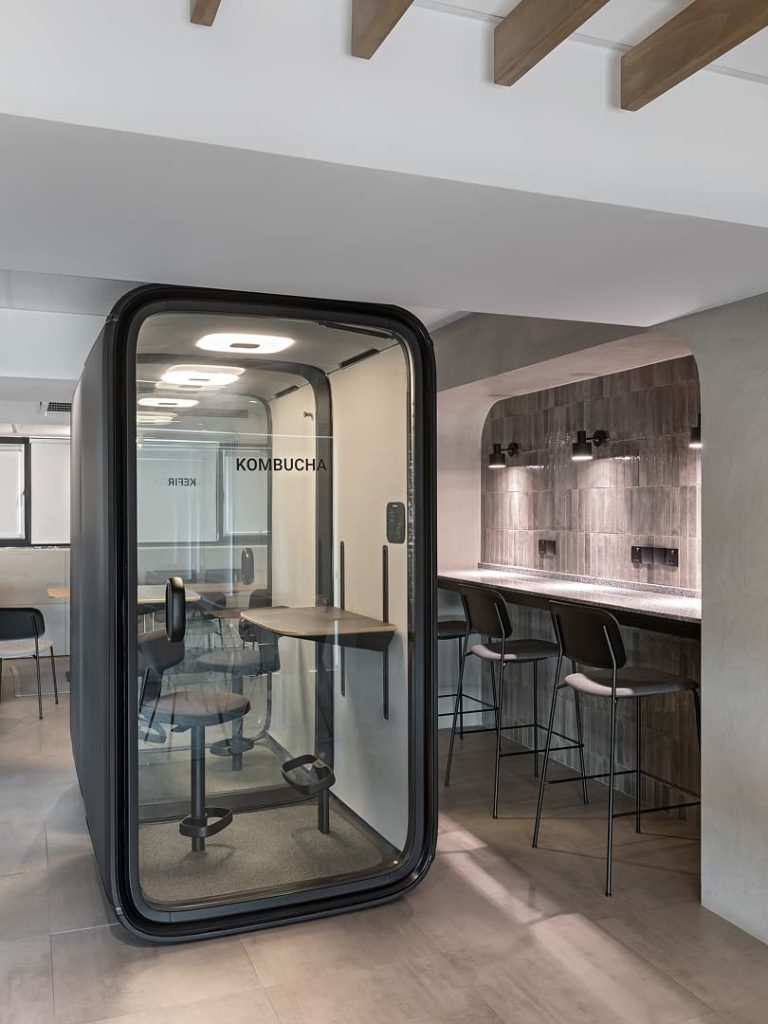
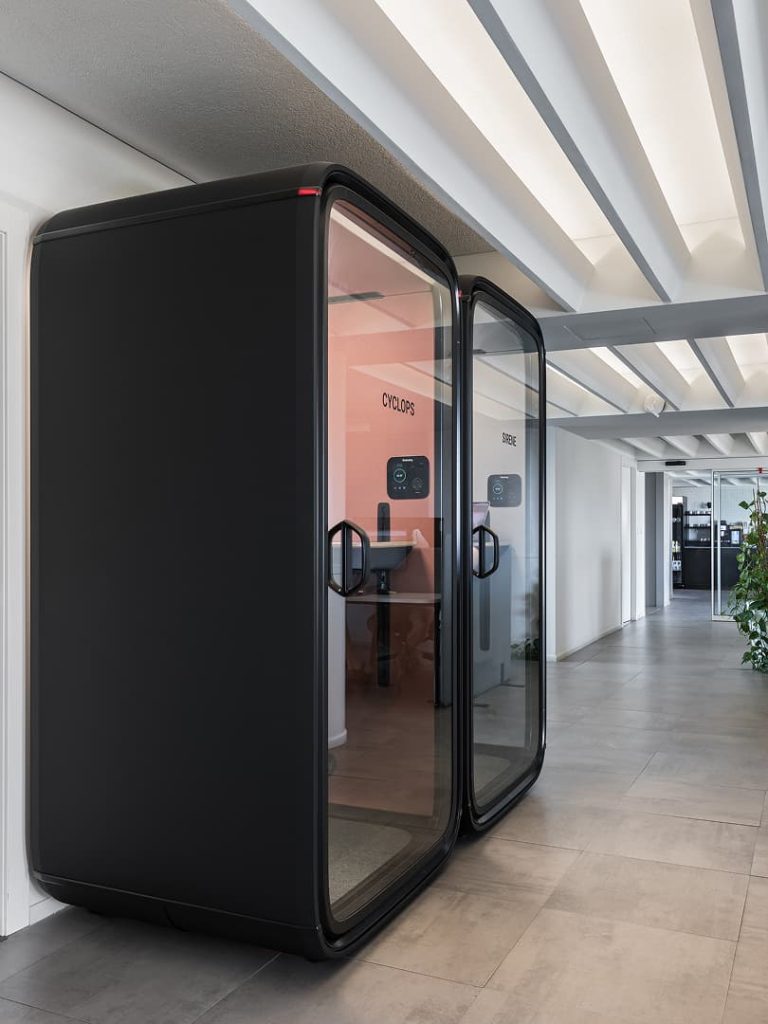
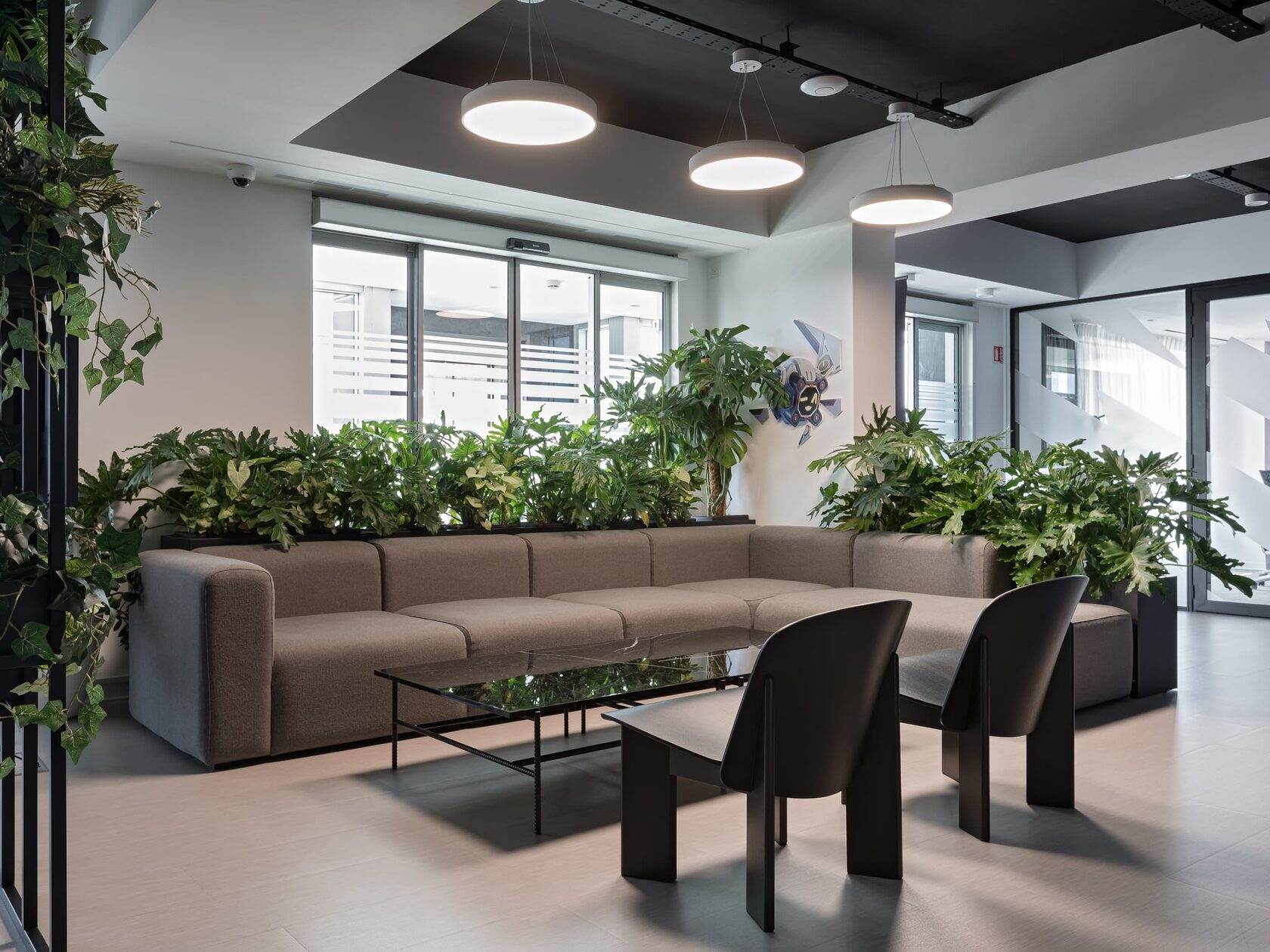
There are many ways to improve office acoustics. It starts with a well-thought-out design, incorporating acoustic panels and other solutions. In busy open-plan spaces, sofas, large armchairs, and even plants can help absorb sound. Acoustic booths are also very effective, providing a place to catch your breath or hold a private conversation (such as a phone or video call). They act as a quiet oasis — a small office that can be placed almost anywhere in the workspace.
Trend 7: Data and measuring workspace effectiveness
In 2026, office design is increasingly data-driven. Companies analyze meeting room usage, monitor workstation occupancy, and gather employee feedback. This enables continuous improvement of the workspace. Office design is no longer a one-time event — it has become a process. The office of the future is a space that can be measured and optimized.
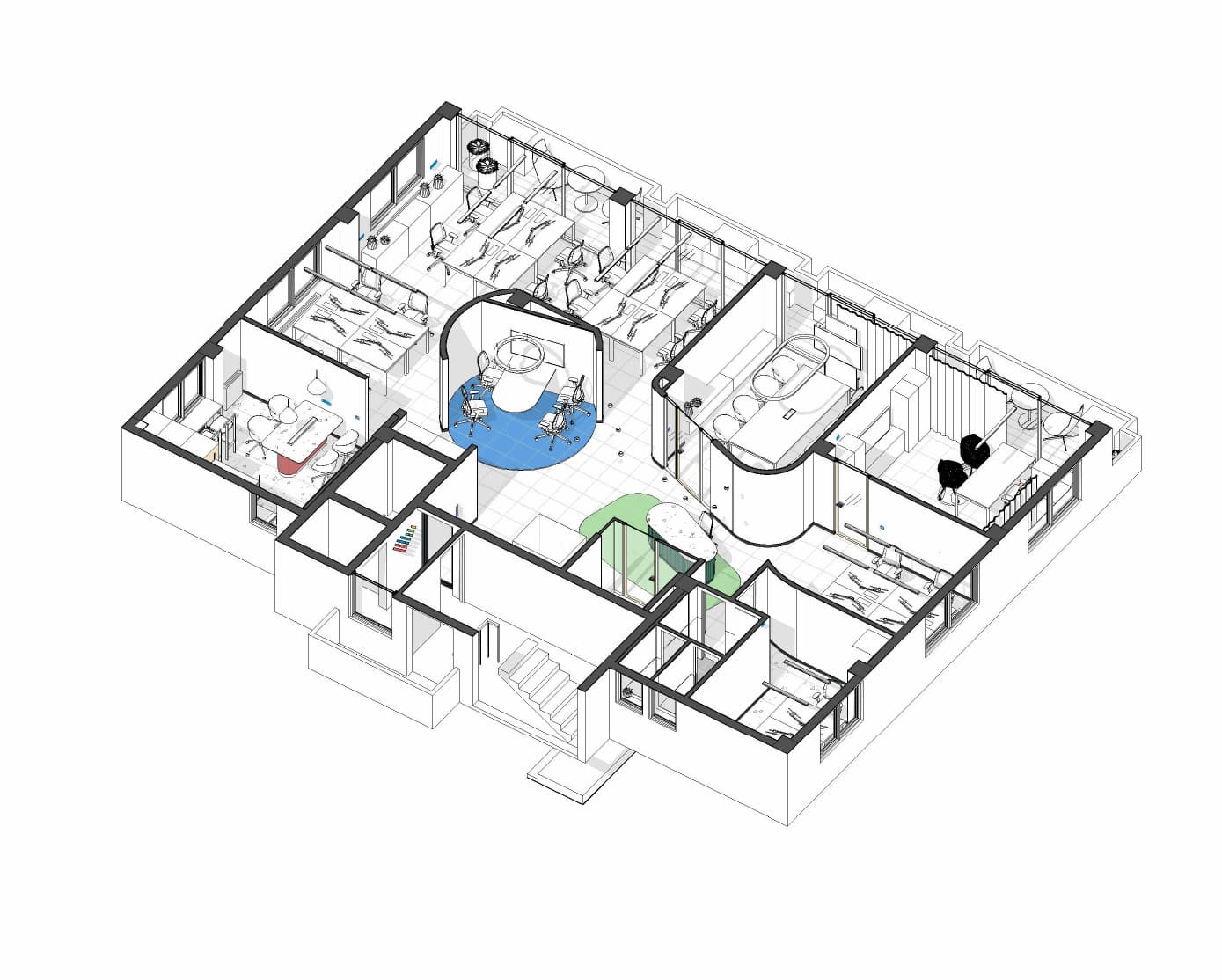
How to design an office in 2026 — a practical approach
The process begins with analyzing needs. You need to understand the organizational structure and work model. Next, a functional layout is created, defining the proportions between collaboration, focus, and relaxation zones.
The next stage is the visual concept and material selection. At this point, it’s important to consider durability and flexibility. The final step is implementation and verification, assessing whether the design meets the intended goals after it has been put into practice.
Designing offices in 2026 requires collaboration between designers, HR, and management. Only then will the space be aligned with the company’s strategy.
TENGO Design — office design in line with 2026 trends
At TENGO Design, we have been observing these changes for years. We design offices that combine aesthetics with functionality, analyze the needs of the client and their team, and discuss the company’s growth plans.
Every office design project is created from scratch with a tailored approach to the client’s specific needs
We don’t copy ready-made templates. Every office design project is built from scratch with a custom approach to the client’s needs. We take into account the hybrid work model, technological solutions, and wellbeing considerations, while ensuring the quality of materials and the durability of solutions.
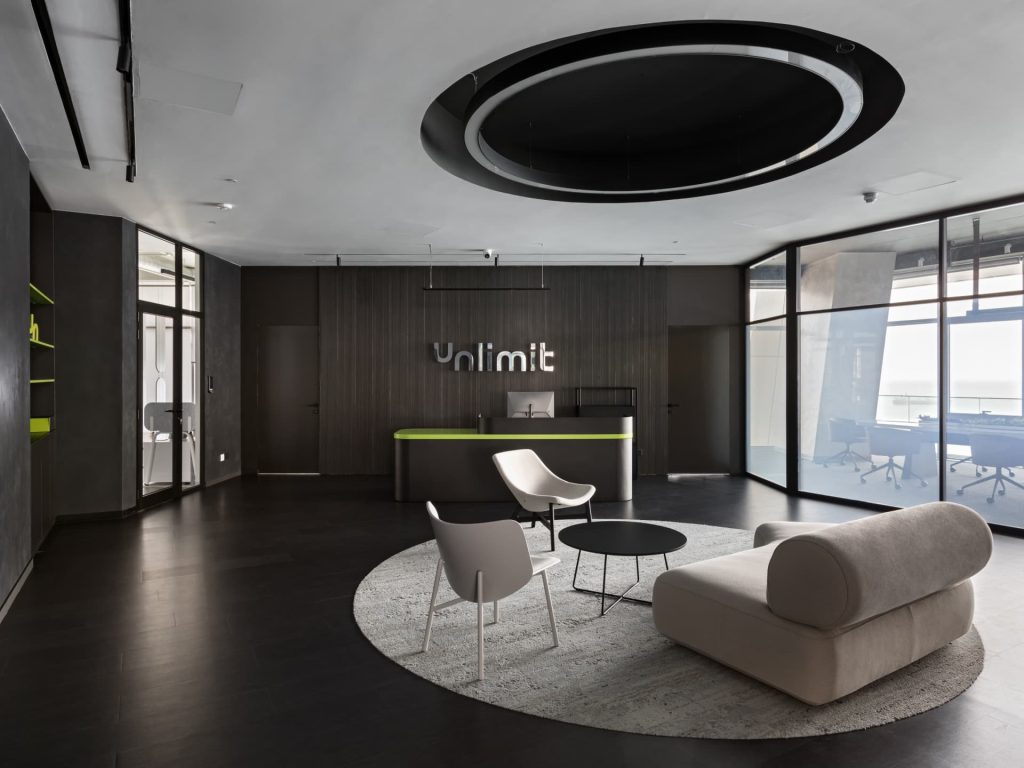
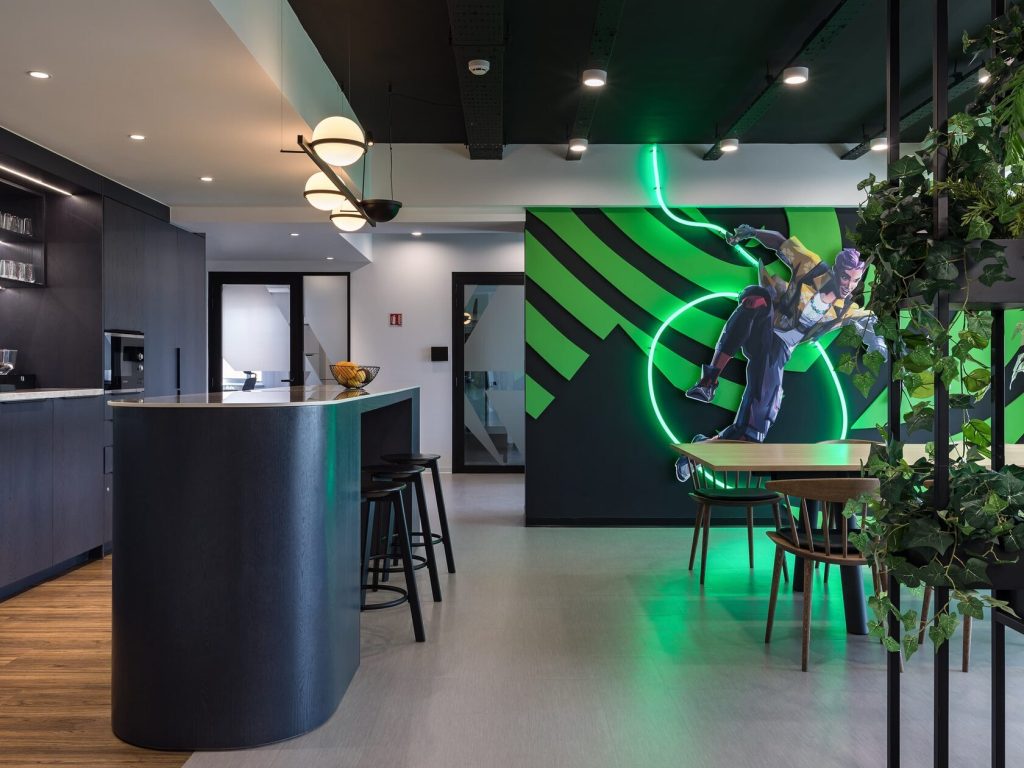
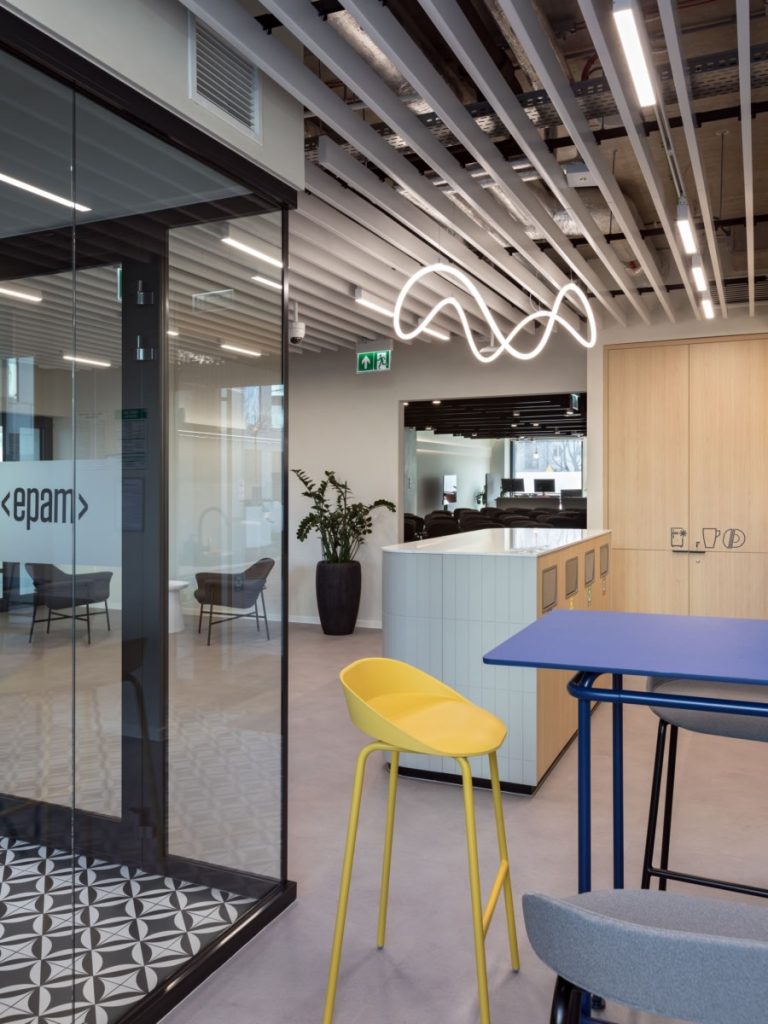
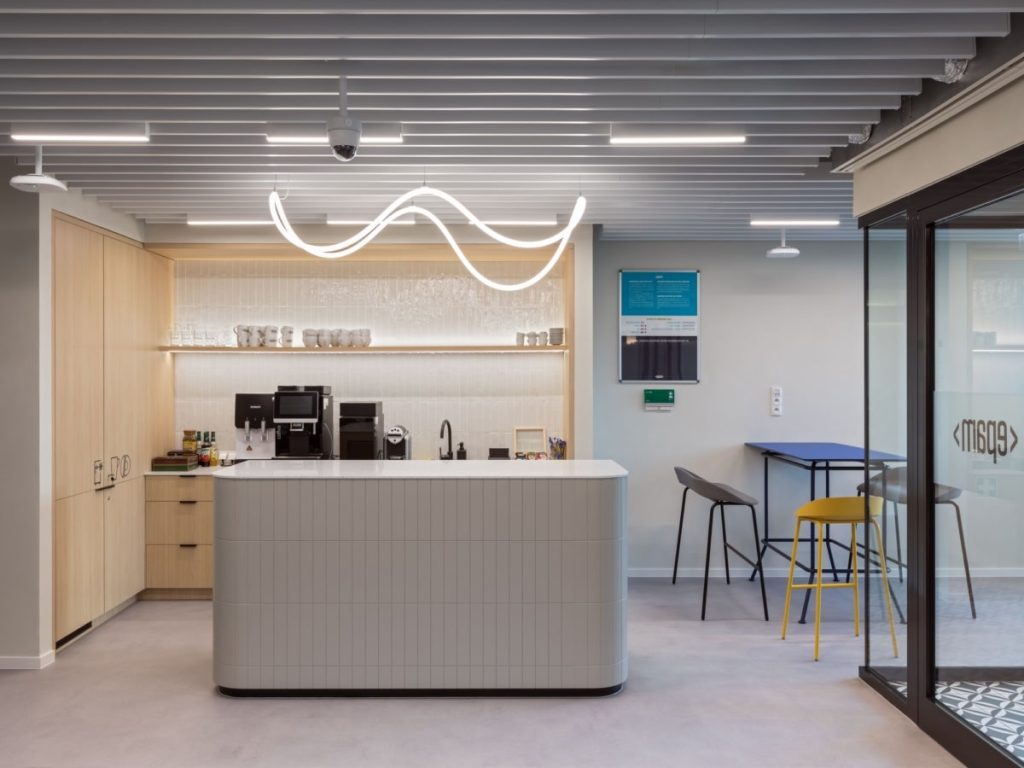
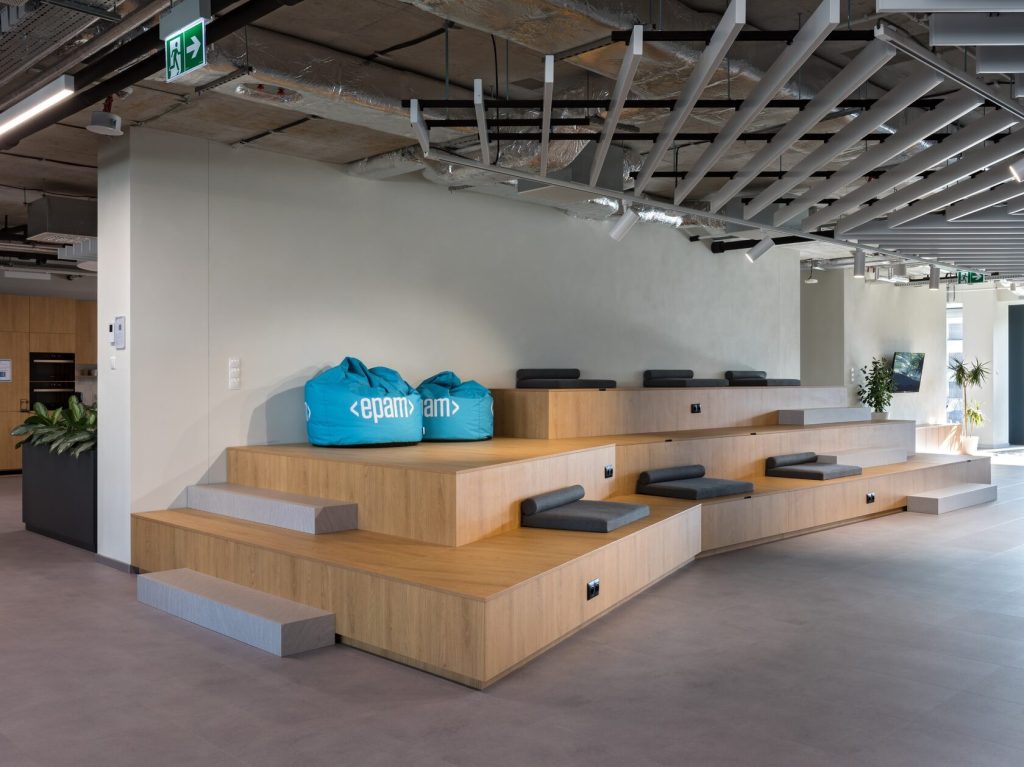
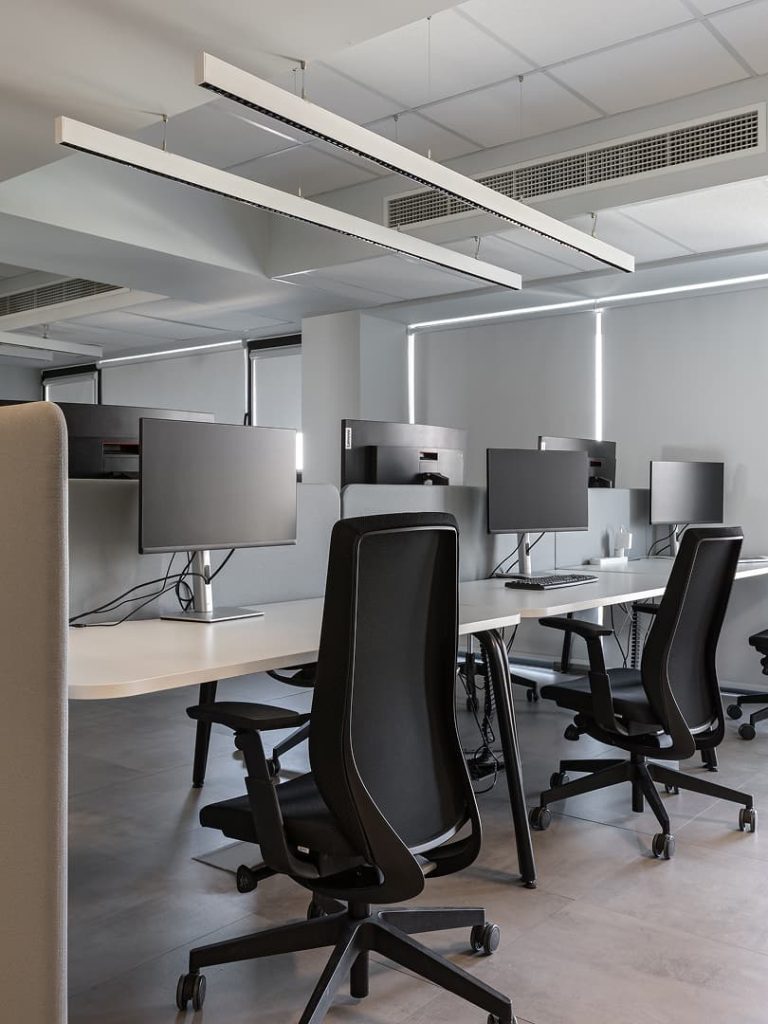
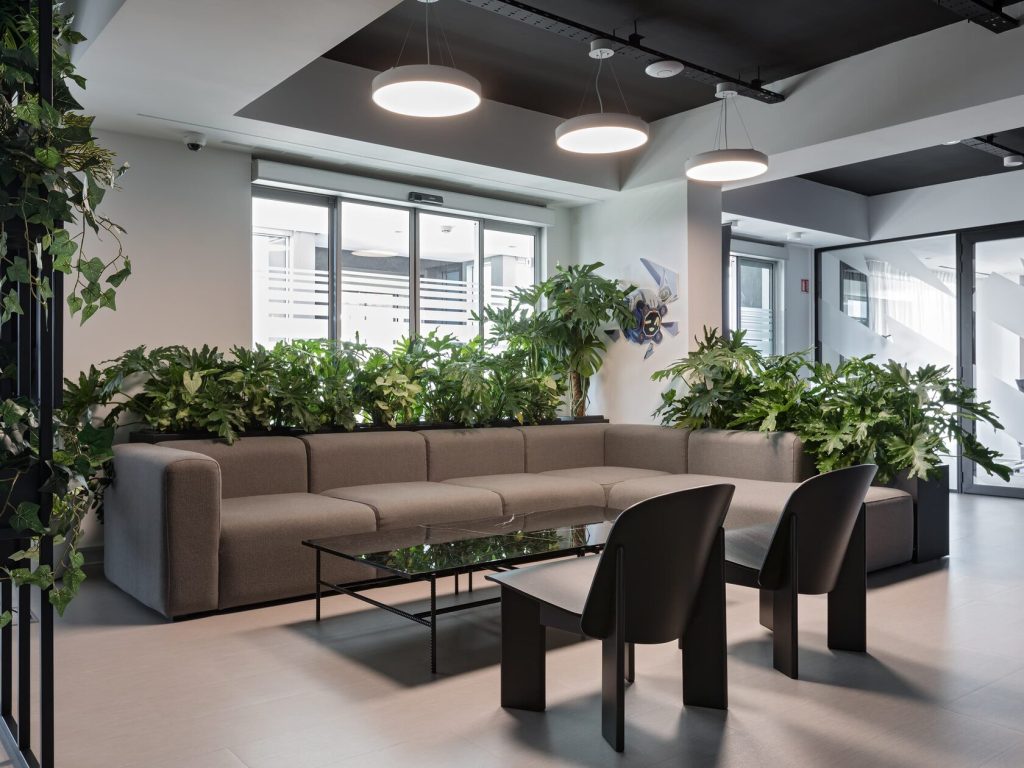
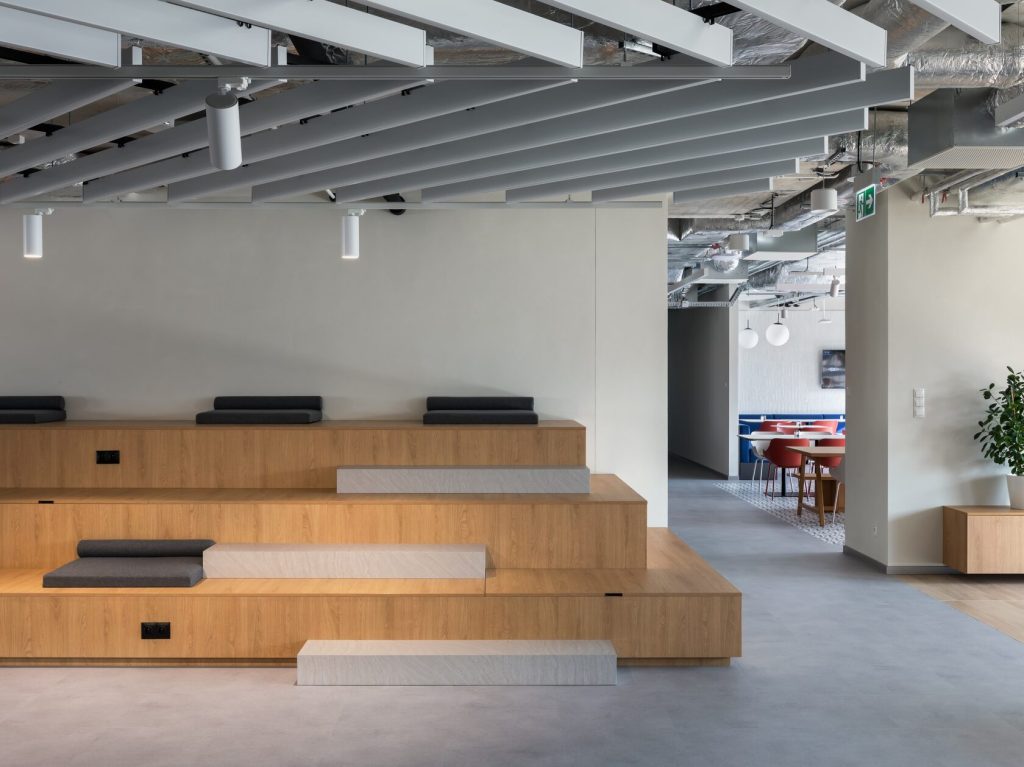
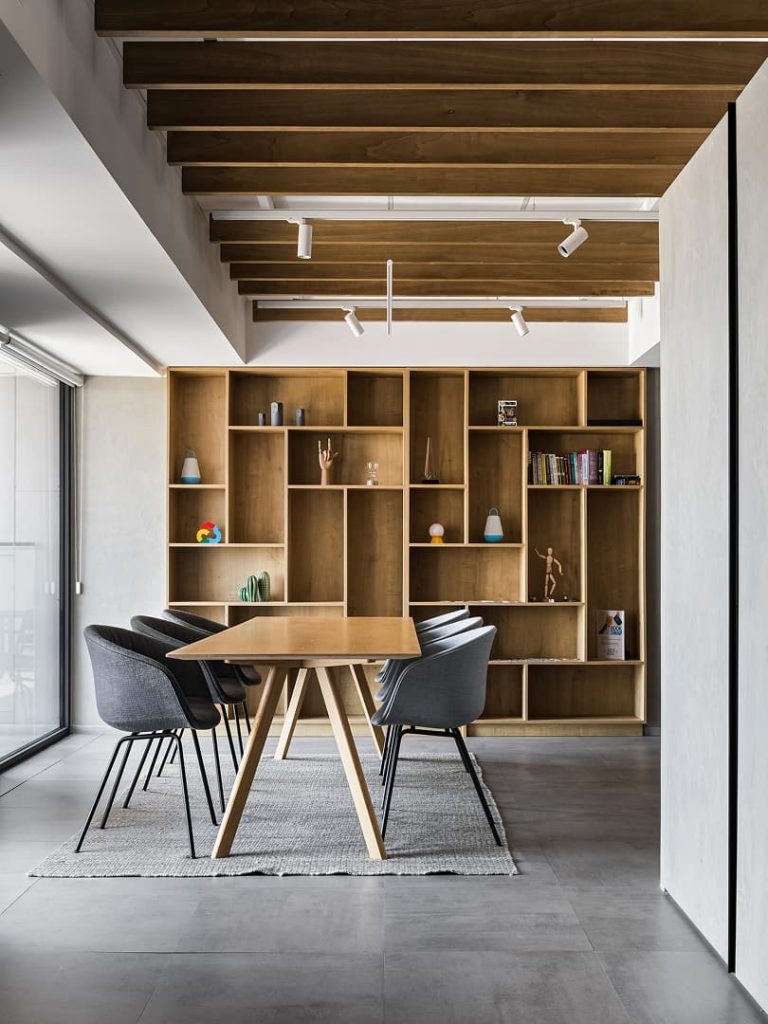
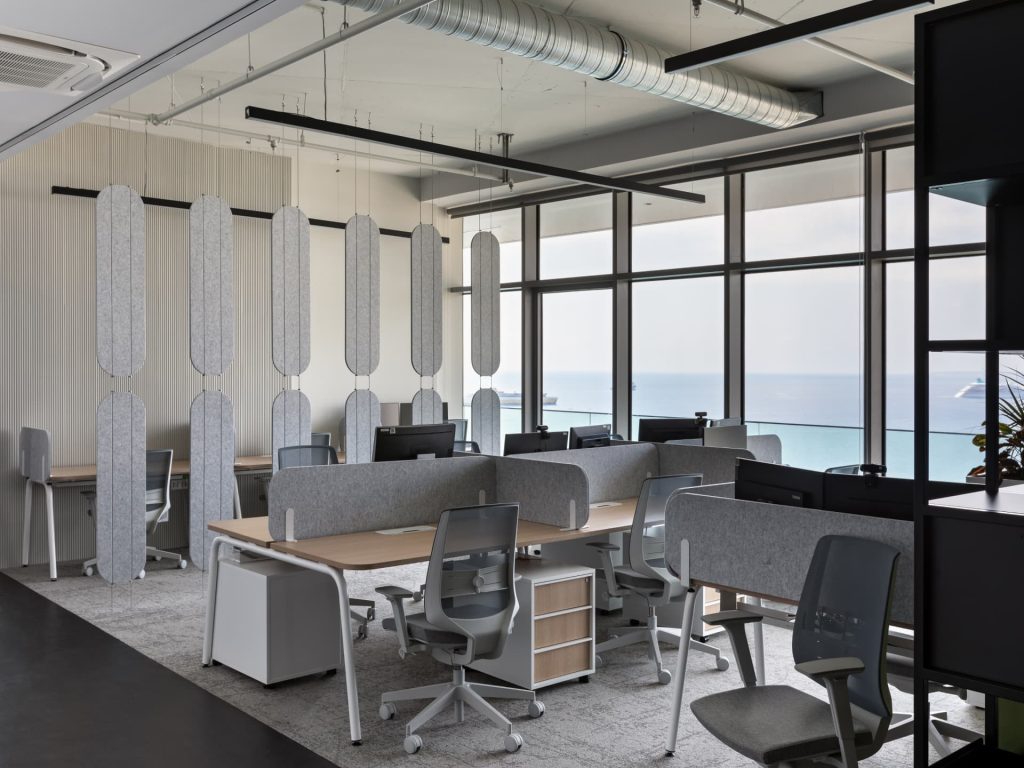
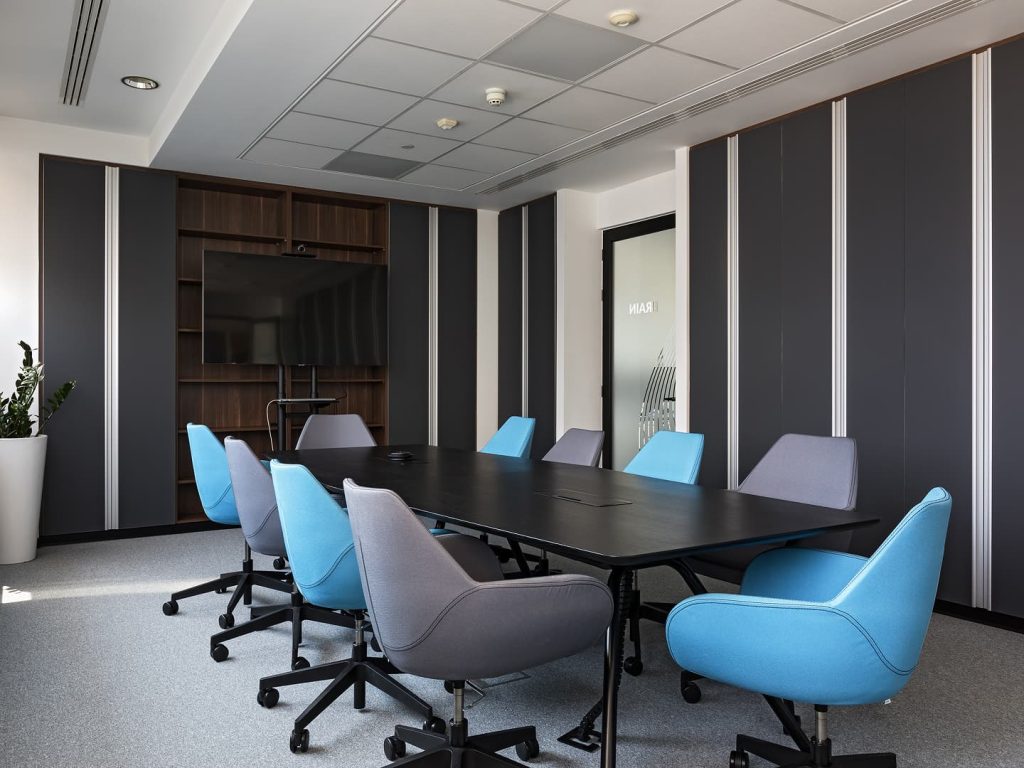
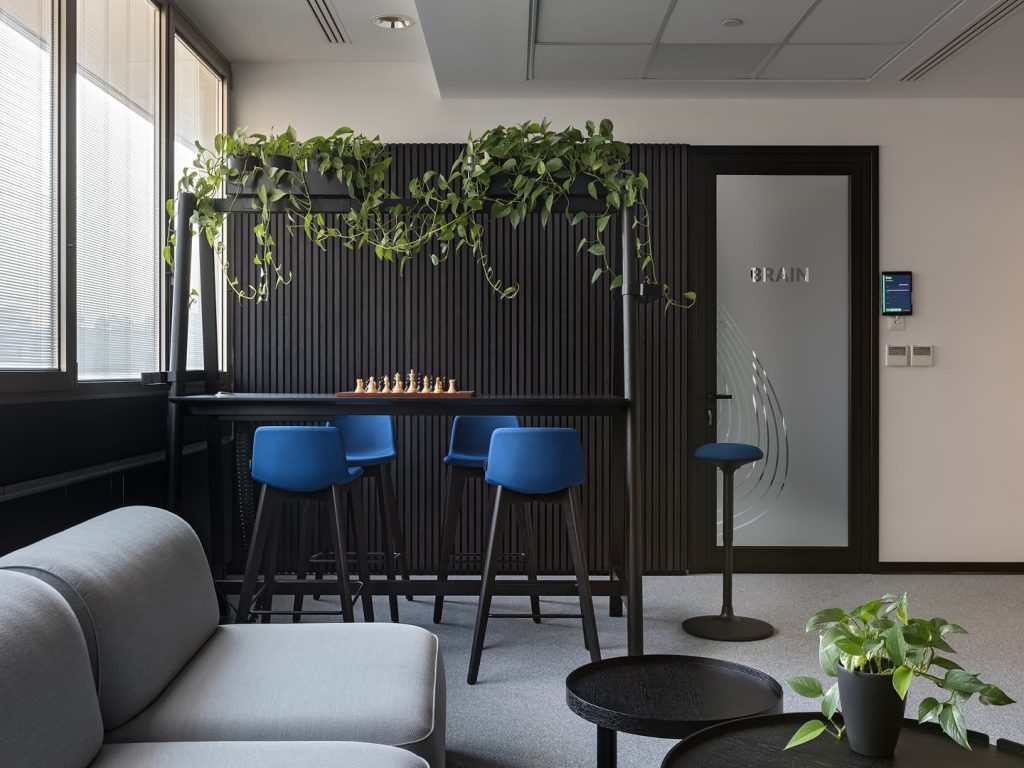
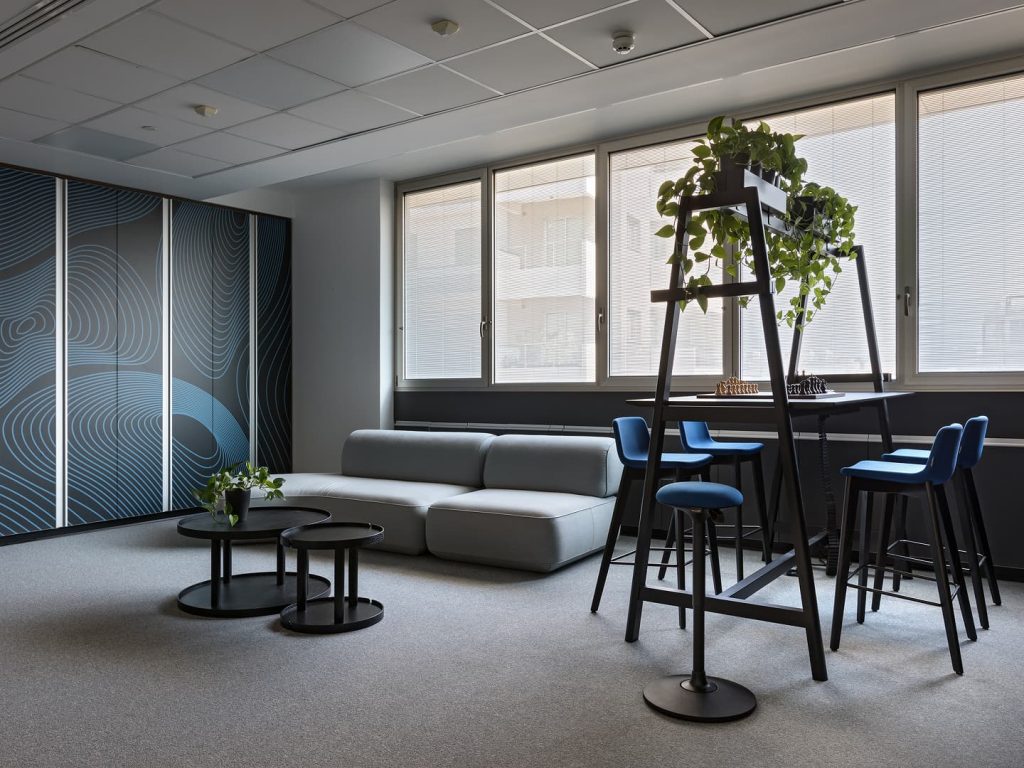
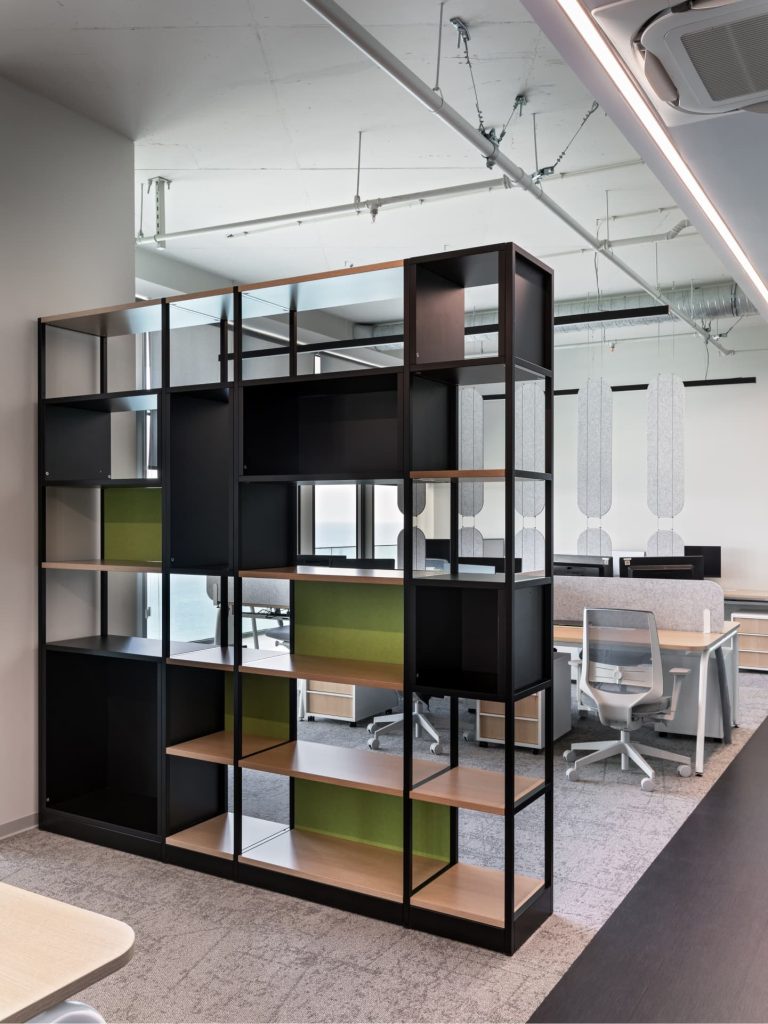
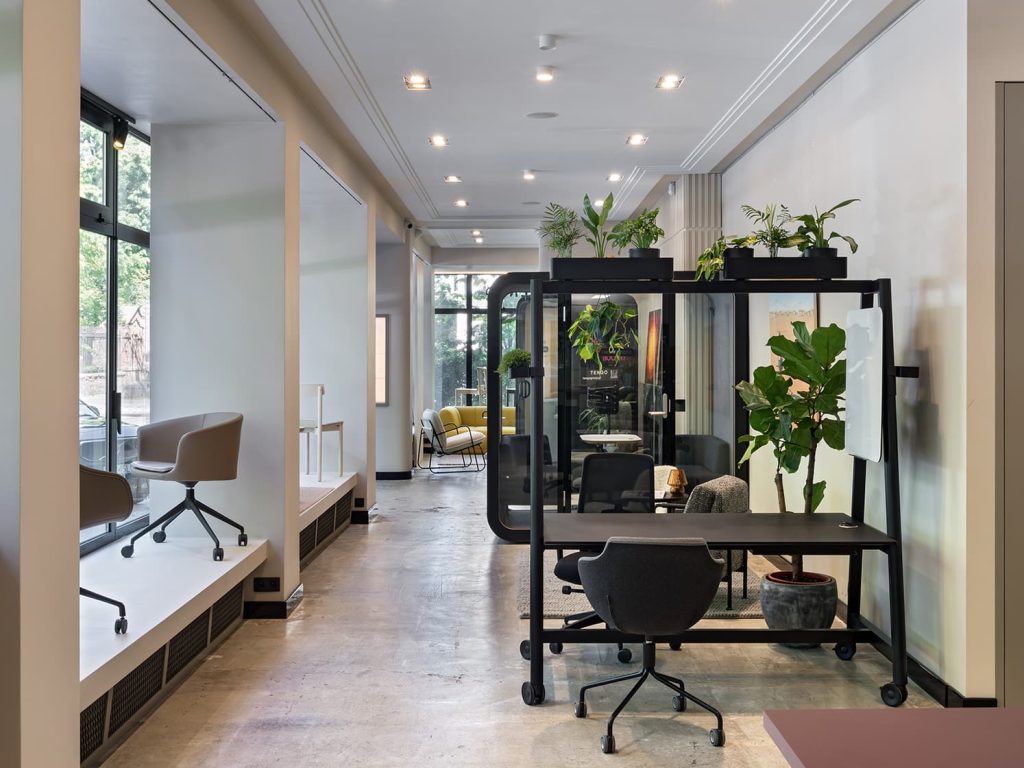
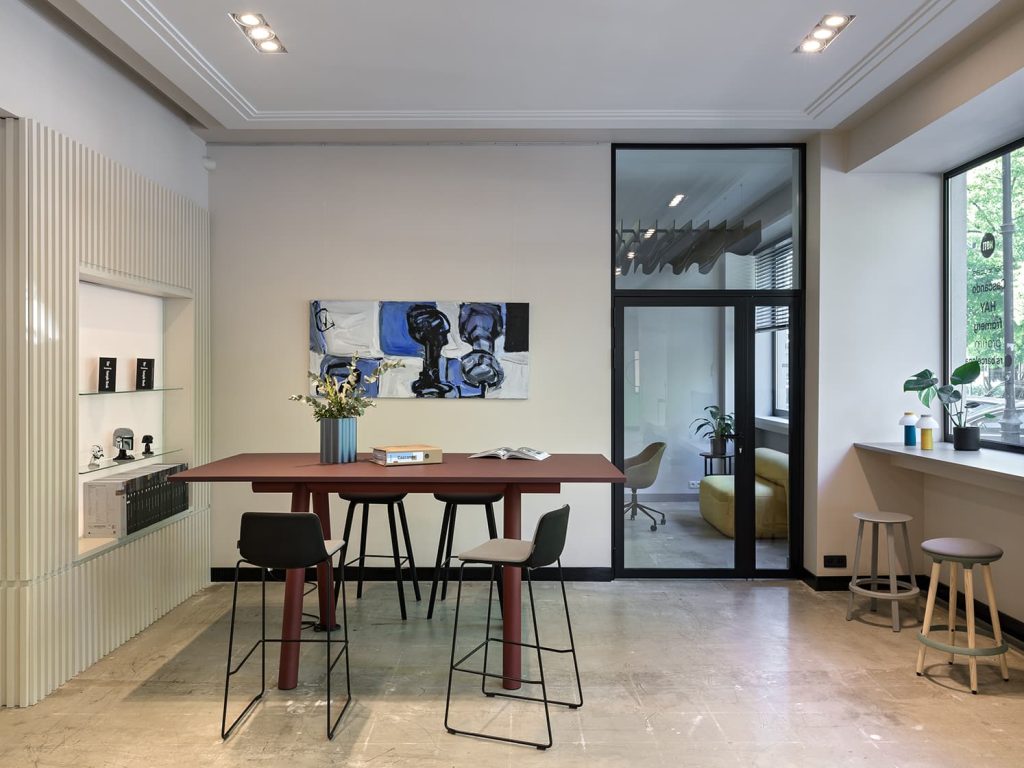
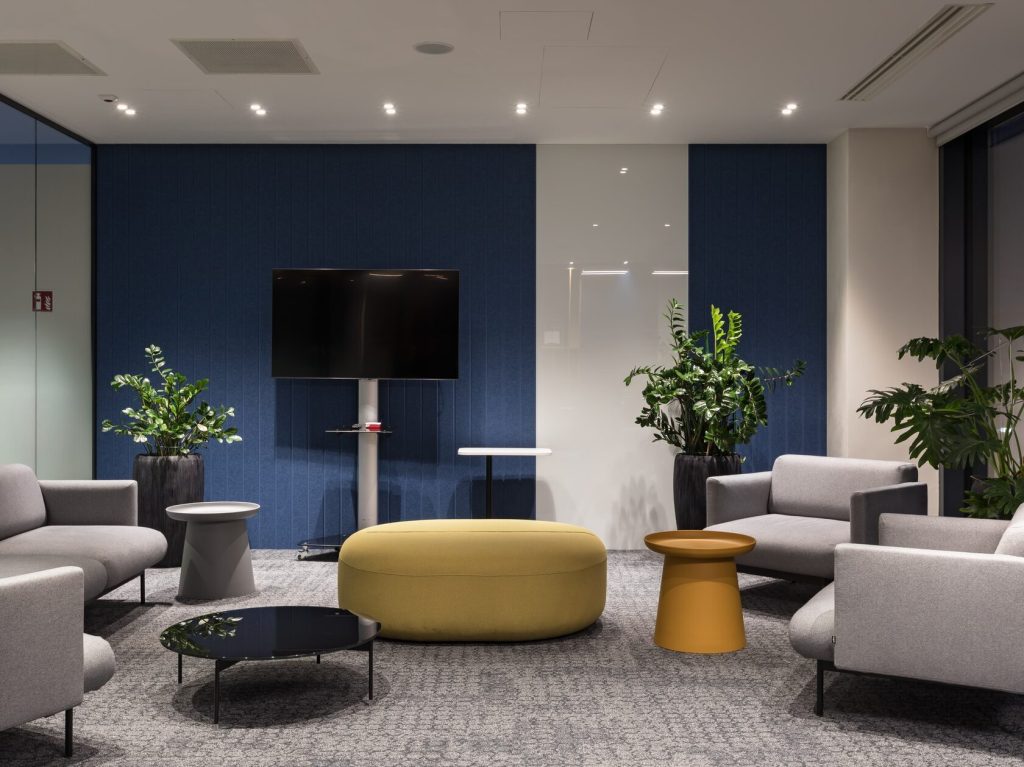
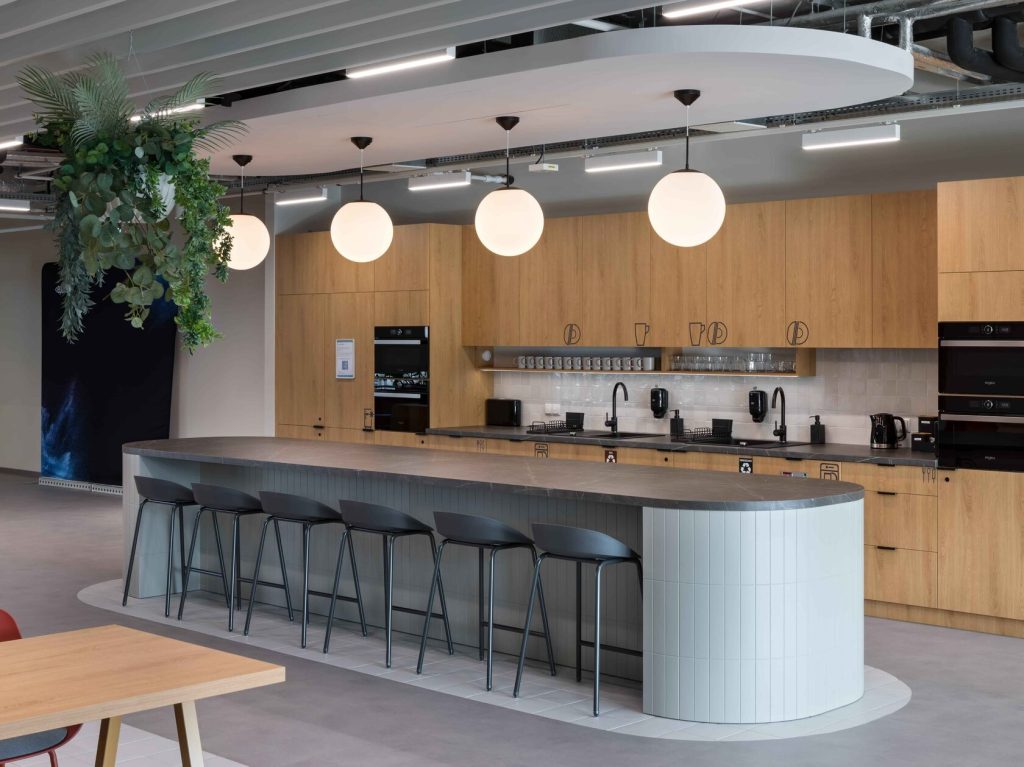
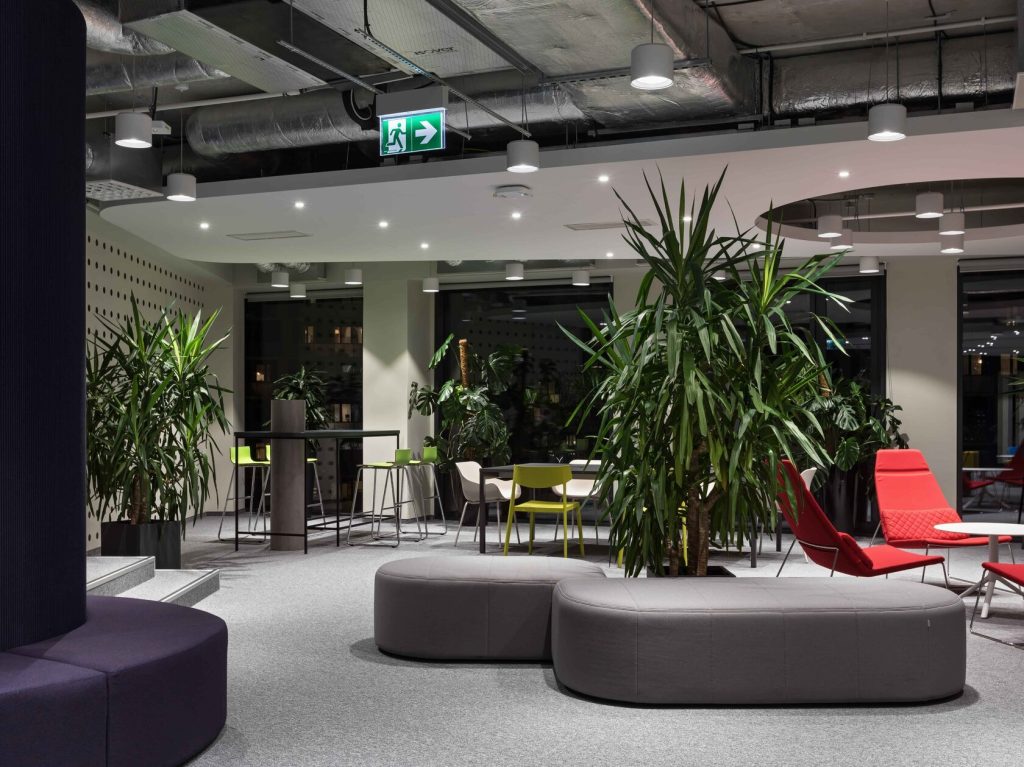
Our goal is to create a space that employees actually want to come to — a space that supports both focus and collaboration. Offices that address the real challenges of 2026. If you’re wondering how to design an office in 2026, let’s talk. We’ll help translate trends into concrete solutions tailored to your company.
Based on: "2026 Workplace Trends Report" prepared by H3HR: https://www.h3hr.com/2026-workplace-trends-report/