
Designing for longevity: why wellbeing is the new foundation of office design
Today, for many employees, a well-designed workstation is becoming more important than a brand-new computer. Sounds bold? Perhaps. Yet, comfort, natural light, acoustic privacy, and the overall atmosphere are increasingly the deciding factors in whether we actually want to show up at the office. In fact, these elements are becoming a competitive advantage when choosing a new employer.
In 2026, office design is no longer just about arranging desks or creating a prestigious reception area. Today, a workspace is a strategic tool for fostering health, focus, and team synergy. Wellbeing is no longer a "nice-to-have" add-on; it has become the very foundation of office design.
What do these terms actually mean?
Wellbeing is a broad term for overall wellness. It encompasses physical and mental health, a sense of security, workspace comfort, and the quality of relationships. In an office context, this means an environment that doesn't drain you, but sustains you.
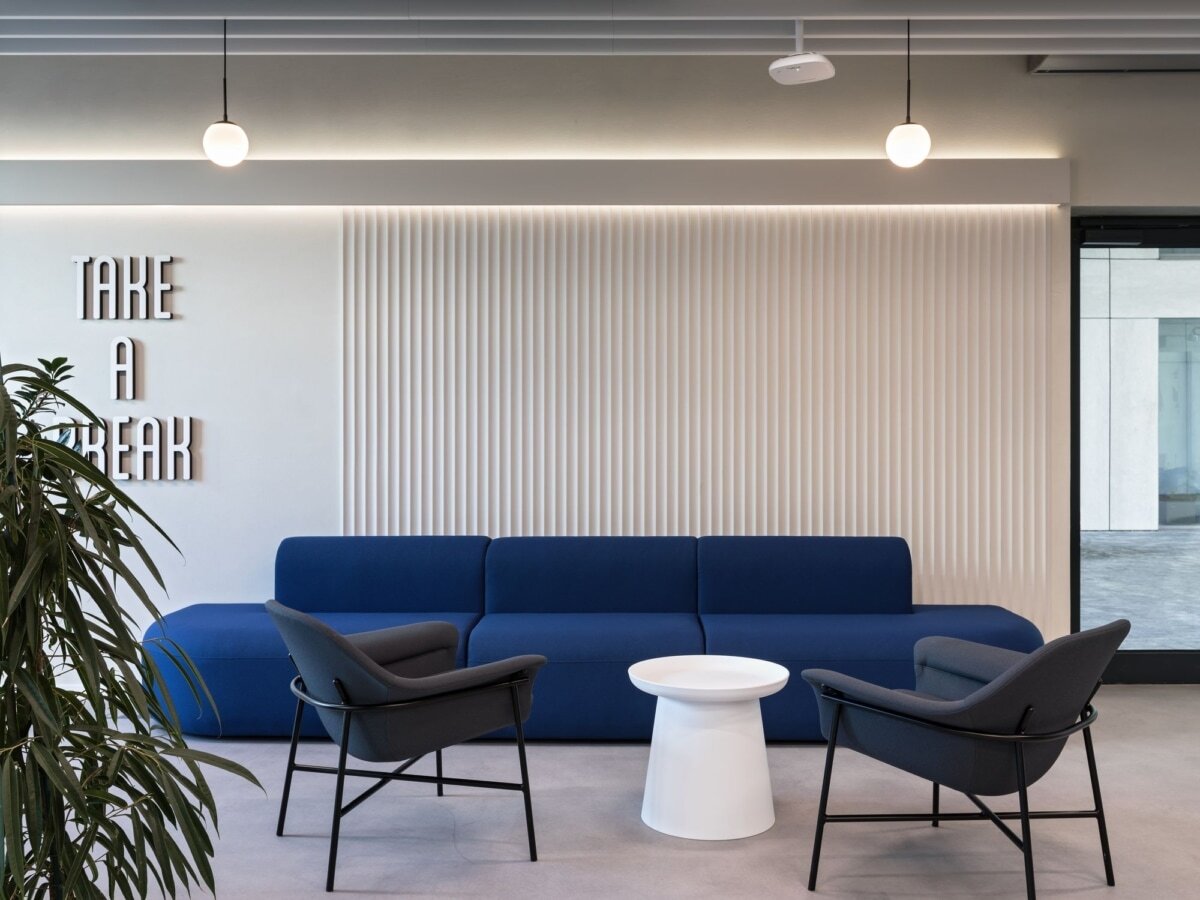
Longevity in the workplace refers to "healthspan"—the number of years lived in good health. Companies are starting to look beyond immediate efficiency; it’s now about how to maintain employee vitality and engagement over the long term. This marks a completely new perspective on office design.
What does the longevity trend mean for the workplace?
The longevity trend assumes that the office is an employee's daily, health-promoting environment. We spend thousands of hours there every year—sometimes more of our waking hours than at home! We are at work far longer than at the gym or the doctor’s office. That’s why the way we design a space has a tangible, lasting impact on the human body.
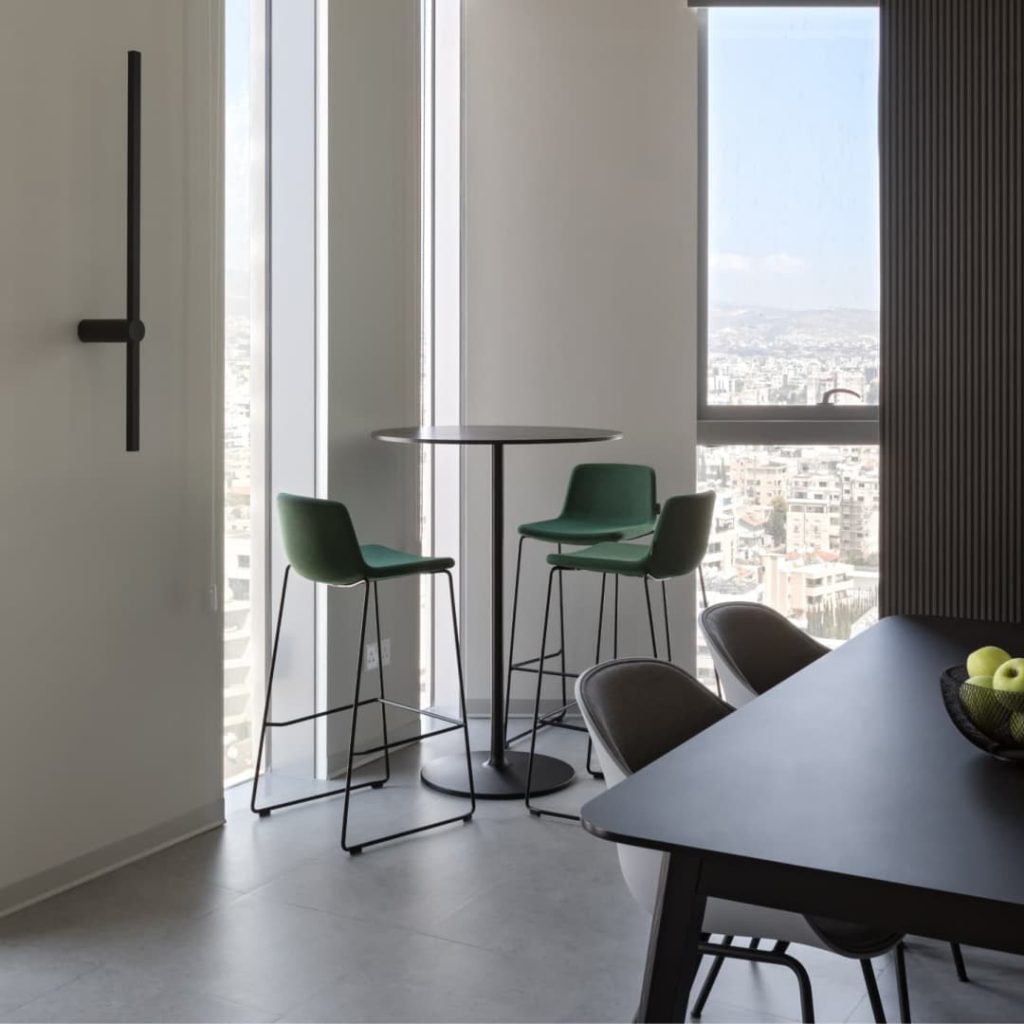
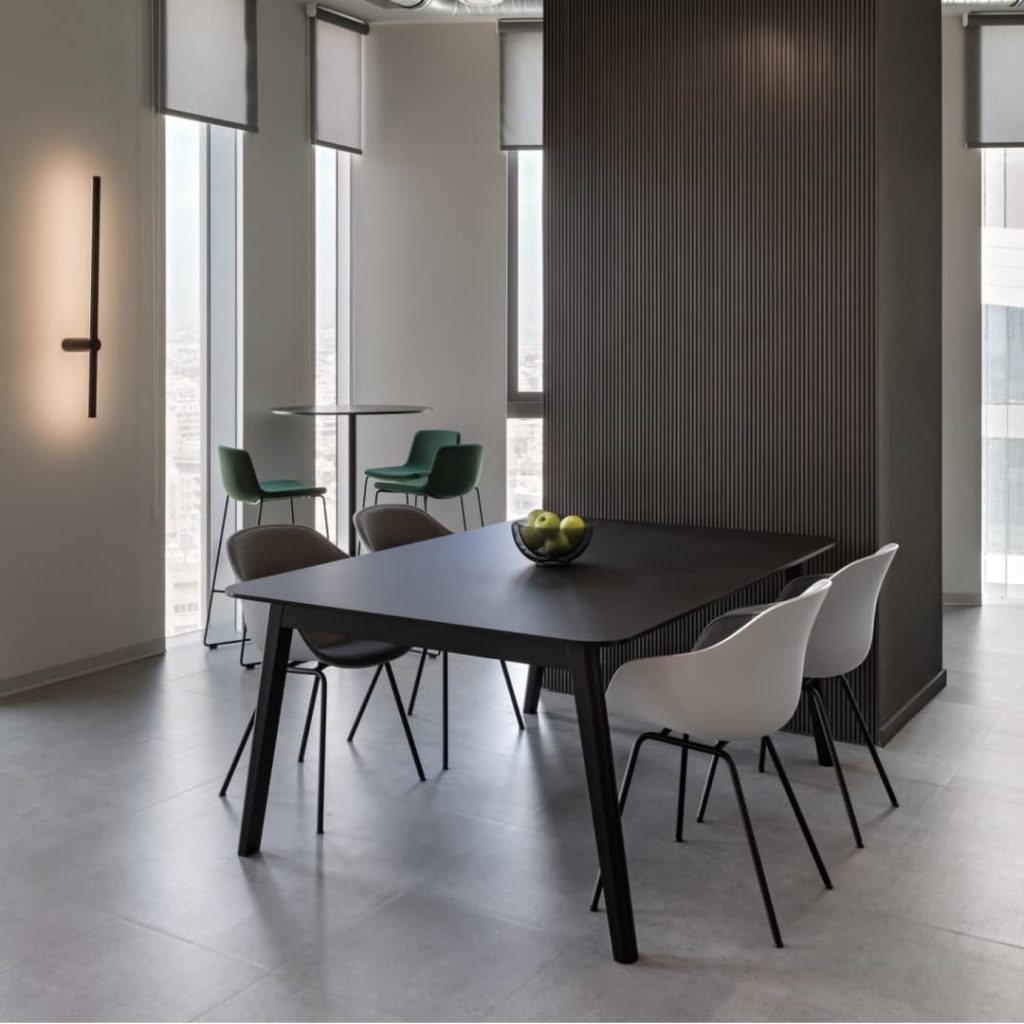
In 2026, office design must focus on minimizing risk factors: excessive sitting, noise pollution, poor lighting, and inadequate ventilation, as well as the stress caused by a lack of privacy. Designing for longevity means eliminating these issues at their source.
The role of the interior designer is evolving. It’s no longer just about aesthetics; it’s about analyzing team needs, work styles, and organizational culture. It’s the intersection of ergonomics, acoustics, the biology of light, and environmental psychology.
How to design an office for physical health in 2026?
Designing for physical health means looking at the office through the lens of the human body—how it moves, rests, breathes, and recovers over the course of a workday. We focus on the factors that directly impact the wellbeing of everyone in the space—from owners and employees to clients and guests.
Movement over eight hours of sitting
Prolonged sitting is one of the greatest challenges of modern office work. Office design should encourage a natural change of posture throughout the day.
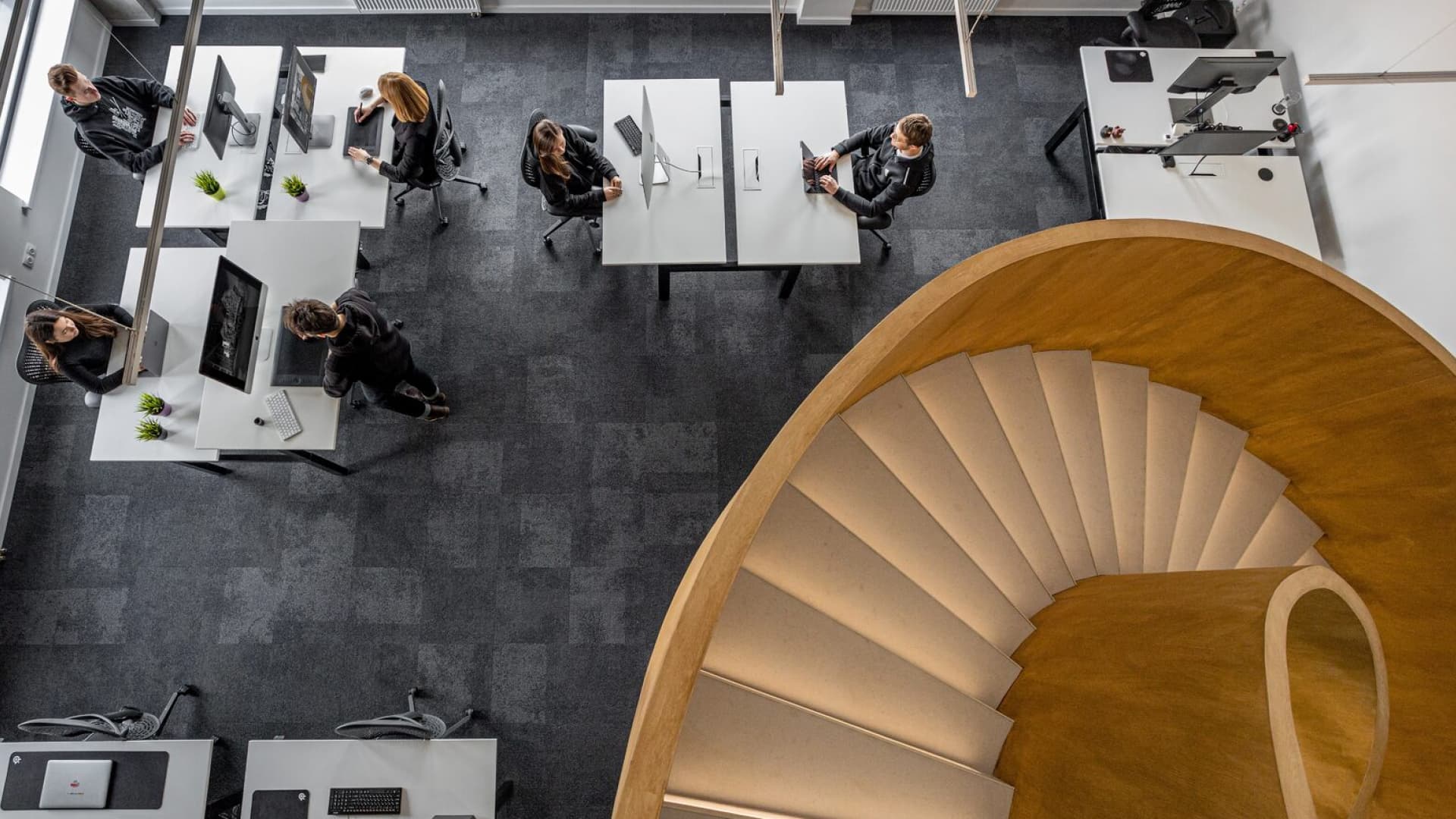
Height-adjustable desks are no longer a luxury; they are becoming the standard. Equally effective are office chairs that support "active sitting." This means muscles are continuously engaged, and constant balancing—or even rocking—promotes overall health, particularly for the back.
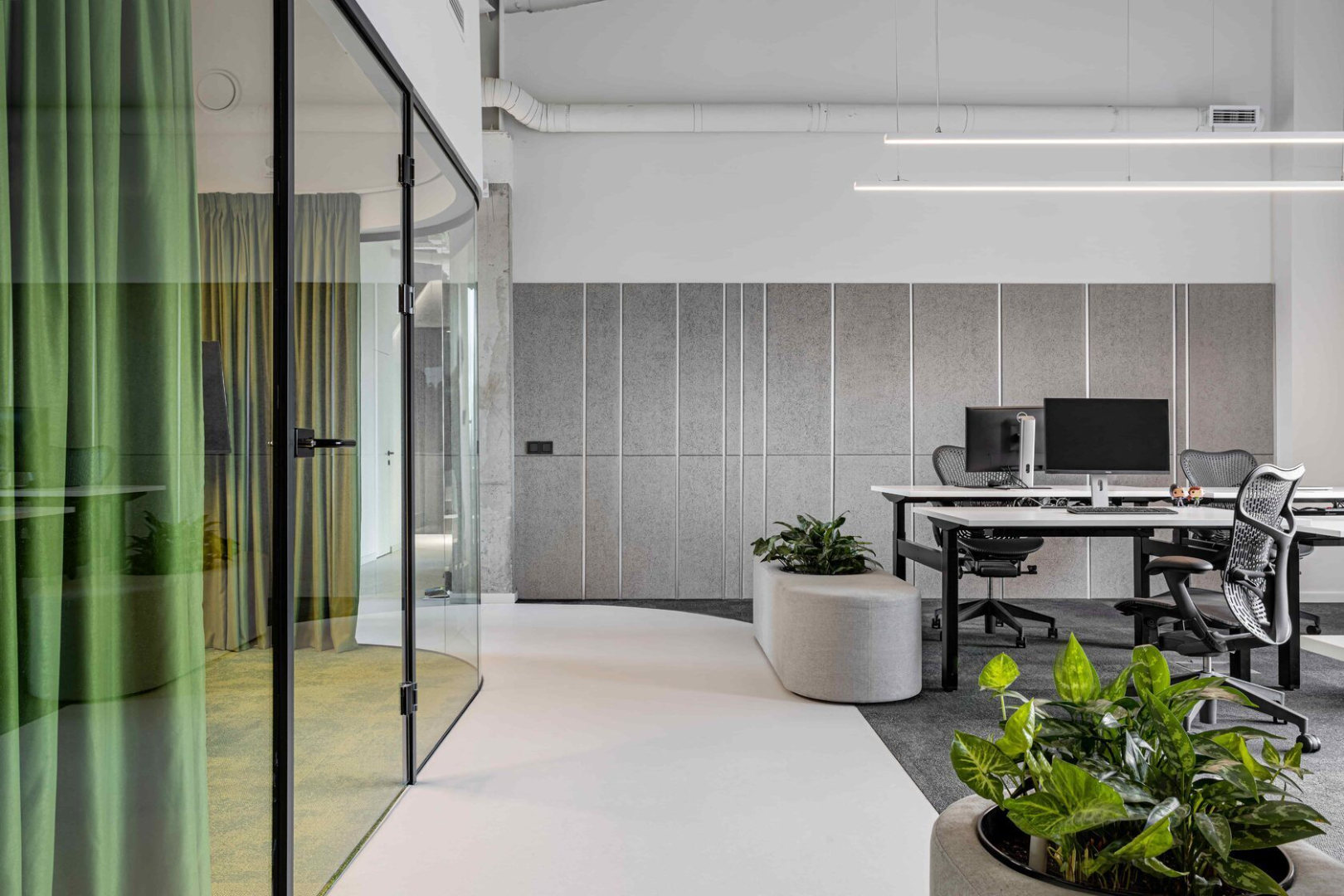
We are increasingly designing zones for short workouts or stretching. Walking meetings and circulation paths that encourage light movement are becoming popular. Interior designers can plan a space so that motion feels intuitive and effortless. These are small decisions that, over the course of a year, make a massive difference.
Light, Air, and Ventilation
Proper lighting is key to concentration and the circadian rhythm. Increasingly, we implement solutions that mirror the natural light cycle: bright, cool tones during the day, shifting to warmer, more calming hues in the afternoon.
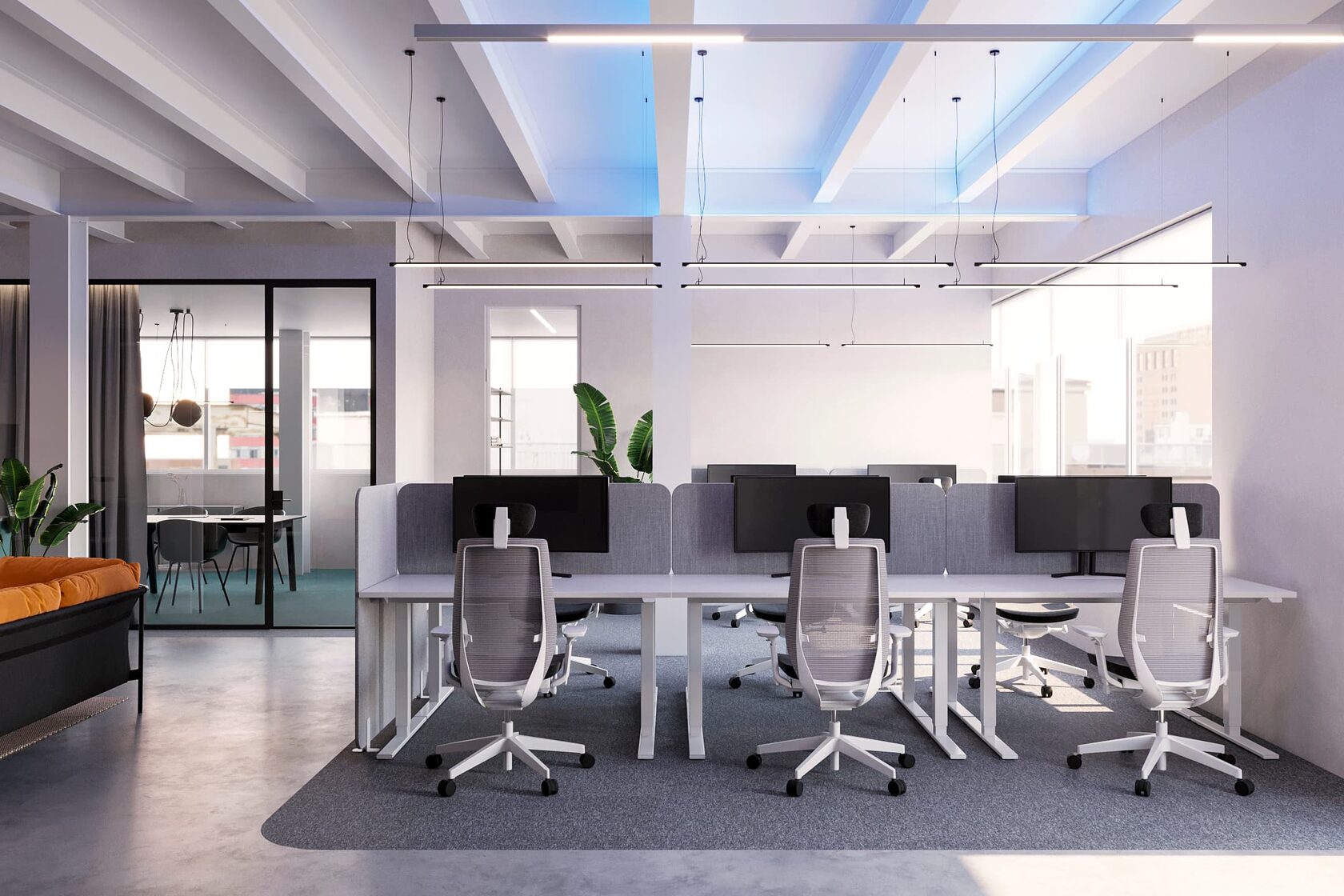
Air quality is equally critical. Proper ventilation and advanced filtration have become fundamental requirements. Since employees are increasingly conscious of these issues, mindful office design must take them into account.
Acoustics as a vital element—for health, comfort, and focus.
Noise is exhausting. It shatters concentration and spikes stress levels. That’s why acoustics is a cornerstone of modern office design. While sound-absorbing panels, carpets, curtains, and acoustic ceilings are the foundation, the real game-changer in many offices has been the introduction of acoustic pods.
Office pods are like miniature conference rooms, yet they are far more cost-effective, mobile, and often even more efficient. They provide a sanctuary from the open-office hum, ensuring that those outside cannot hear what is happening within. They offer essential privacy for phone calls and small-group meetings, while also providing a space for deep, focused work. They are truly a lifesaver.
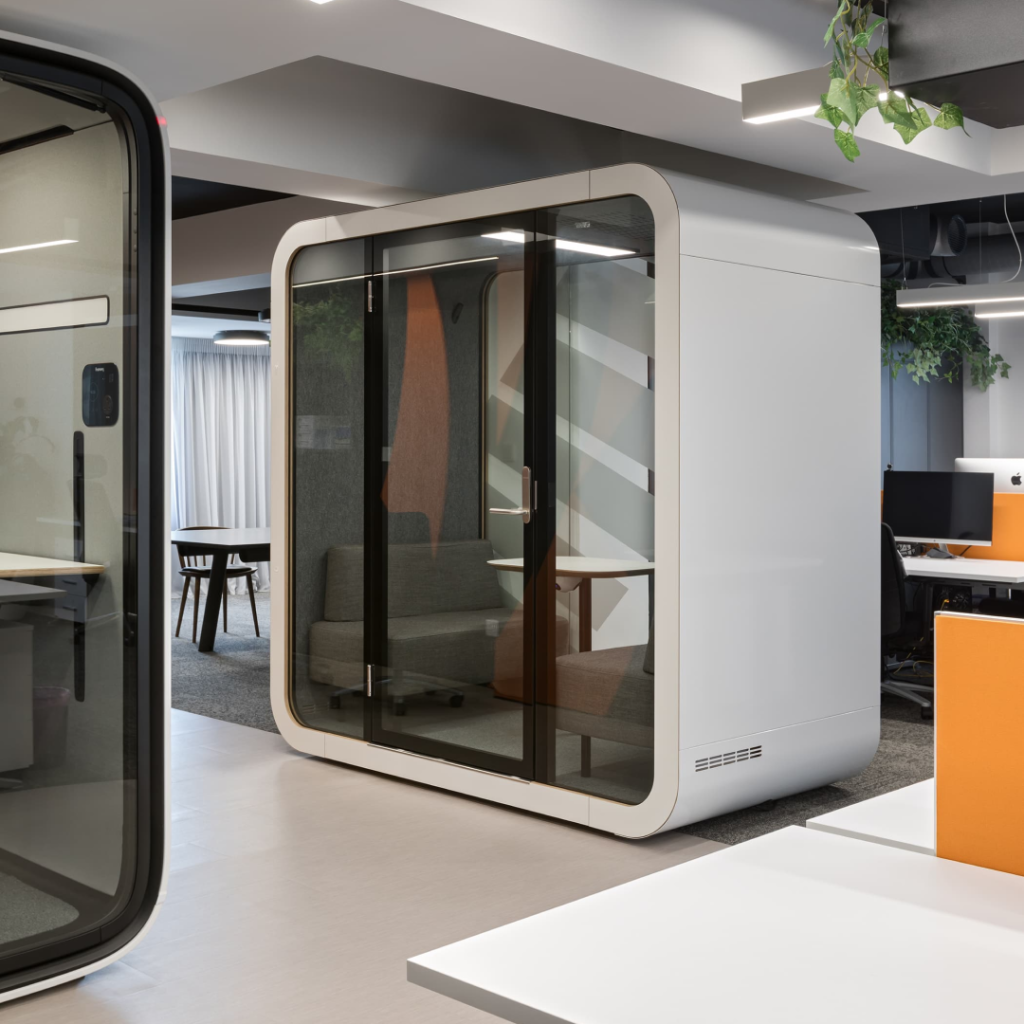
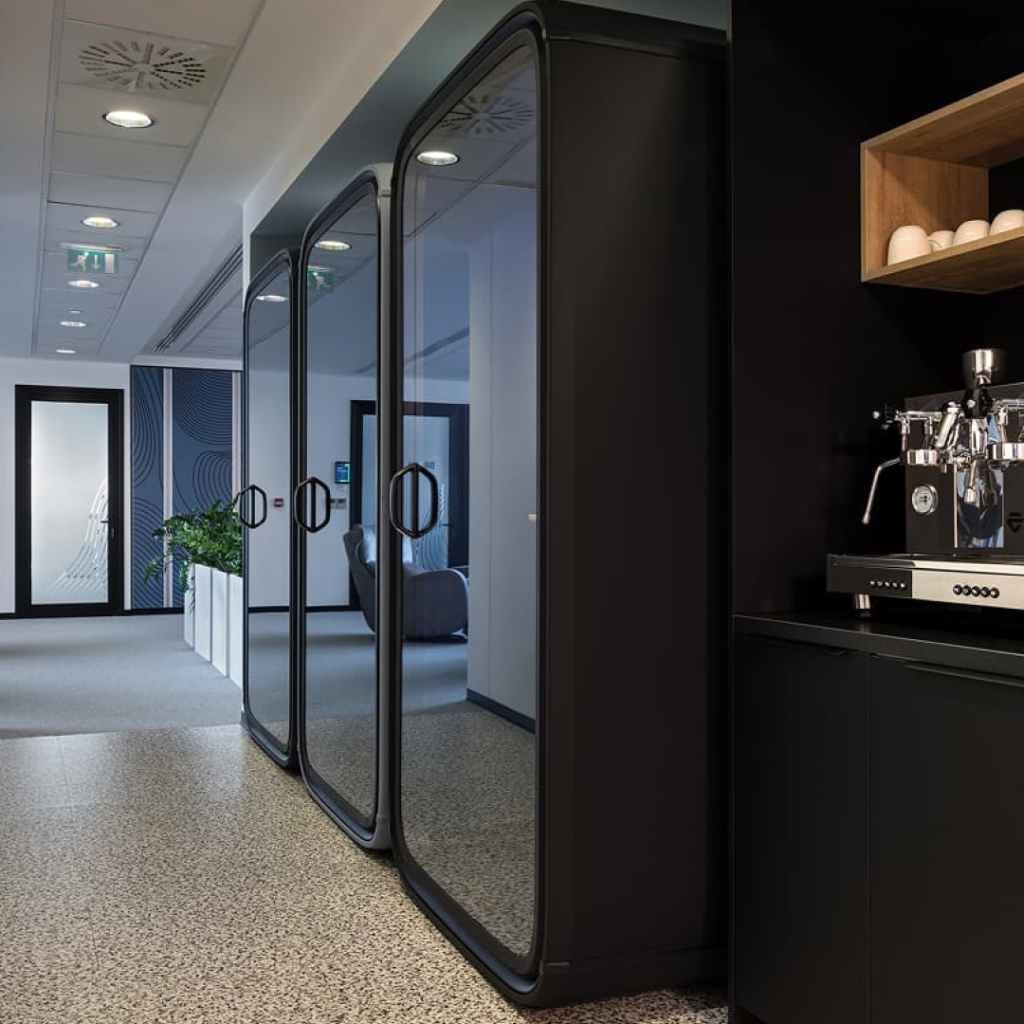
Our clients' experiences consistently show that these pods quickly become the most sought-after spots on the office map. Over time, companies find themselves ordering more units to keep up with demand. It is a solution that every business owner or office manager should seriously consider.
Mental wellbeing: how space provides "invisible support."
Mental health is a core pillar of 2026 workplace design. Features like decompression zones, recharge rooms, and short-rest areas have transitioned from luxuries to essentials.
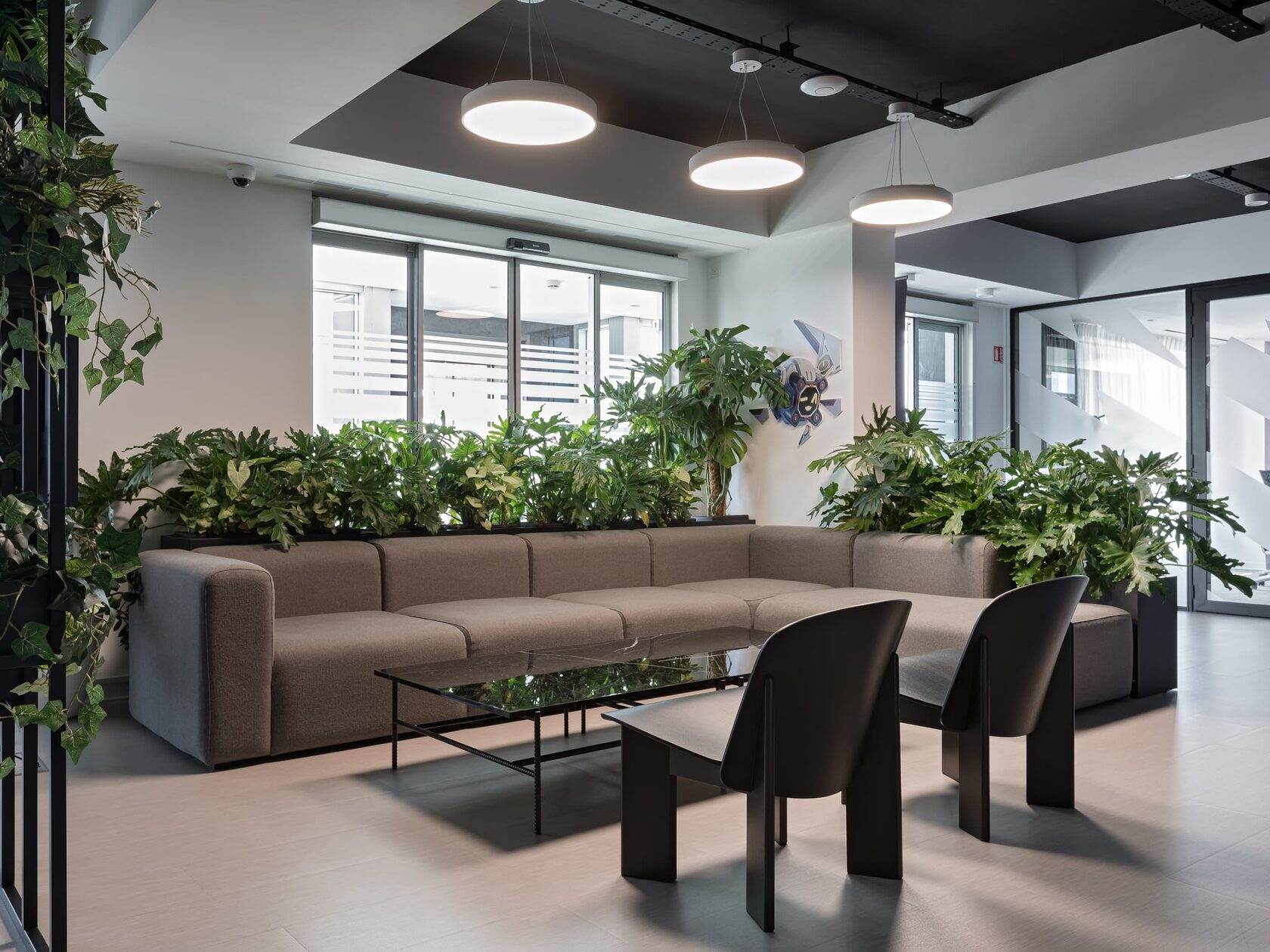
Today, office design typically includes access to terraces, greenery, and natural materials. Wood, textiles, and plants are elements that actively reduce tension and boost morale.
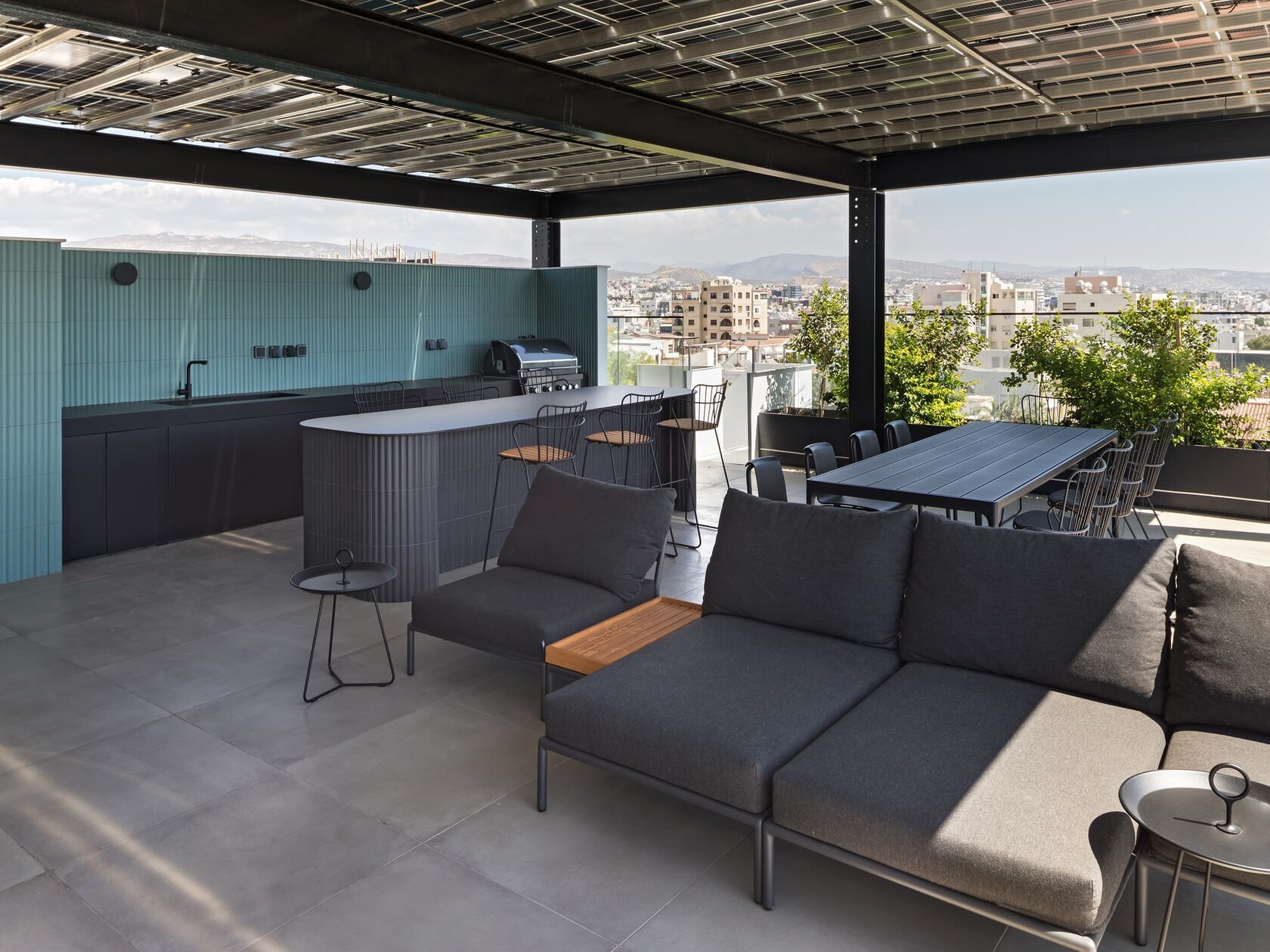
The office is no longer just a place for task execution. For many, it has become a hub for meetings, creative collaboration, and building relationships. Stylish dining areas, well-appointed kitchens, or zones with foosball and ping-pong tables are increasingly becoming the standard in sectors like IT and finance. These features are not a whim; they build a sense of belonging and encourage employees to choose the office in a hybrid work model. Modern design must evolve to meet these expectations.
Data and Personalization: wellbeing without over-surveillance
The sheer number of people using smartwatches to track sleep and activity shows one thing: we care about our health and improving our quality of life. We monitor our steps, heart rate, and stress levels. It’s a natural evolution.
Companies are starting to leverage data within their wellbeing programs. Personalized recommendations, mental resilience support, and preventive health measures are becoming the norm. Office design must be aligned with this holistic approach.
At the same time, maintaining balance is crucial. The space must never create a sense of control or surveillance. Wellbeing should be supportive, not stressful. That is why interior designers must prioritize the emotional comfort of the users.
Beyond benefits: the move toward conscious work design
Longevity also means rethinking the way we work. No-meeting days. The right to be offline after working hours. Flexibility as a standard, not a privilege. Office design should support deep work, but also foster team connection. Quiet zones and social areas need to be clearly separated. The right balance between them is key.
A design studio that truly understands organizational culture can help strike this balance. It’s not about chasing trends; it’s about intelligently tailoring them to the real-world needs of the team.
With us, you’ll design an office that meets your expectations
Modern office design requires a comprehensive approach. From needs analysis and functional concept development to the selection of furnishings and supervision of implementation. We work with proven solutions and products from renowned brands that we distribute. This allows us to offer solutions tailored to your budget and the unique character of your company. We are partners of numerous industry events and continuously follow international trends.
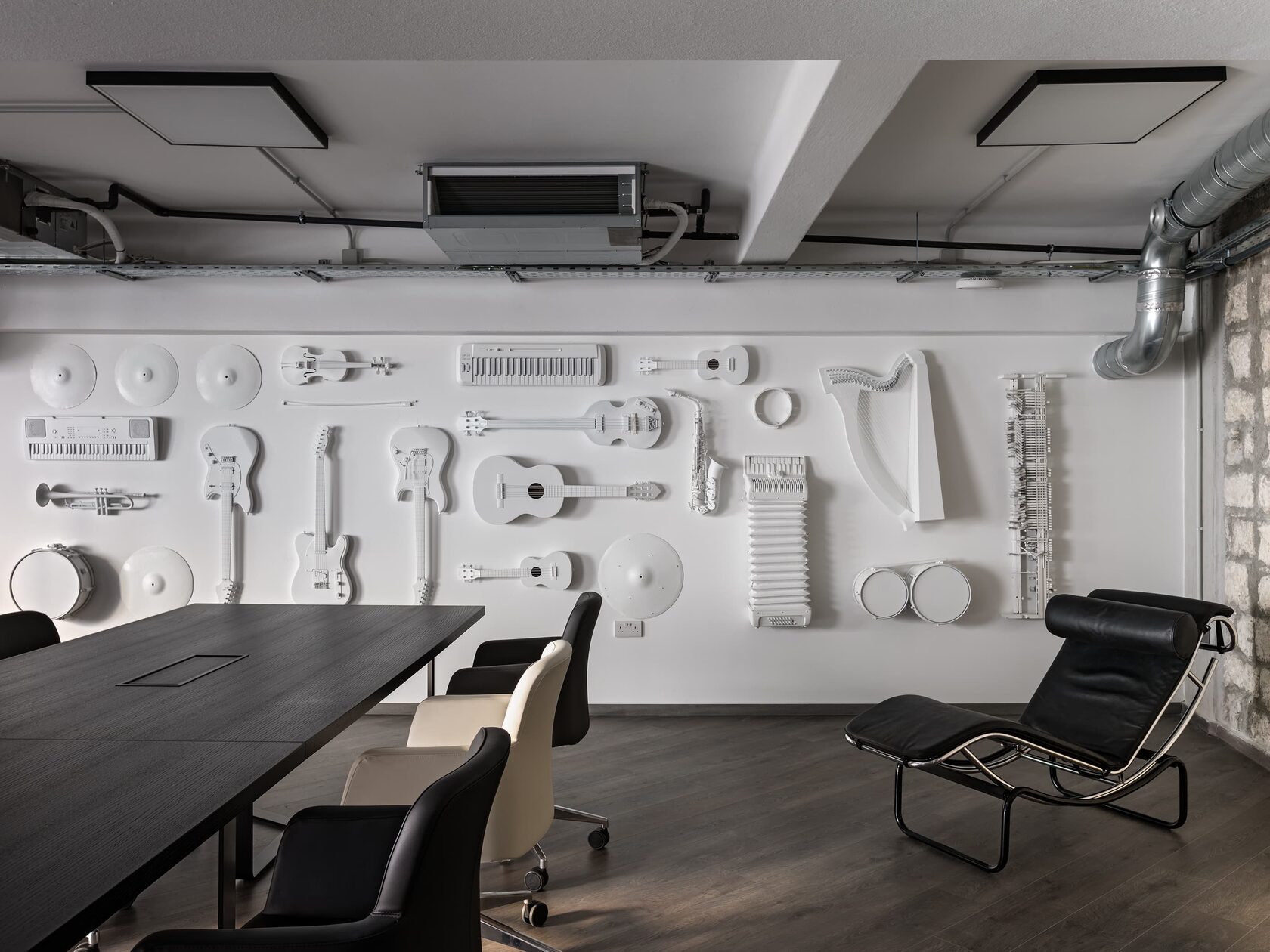
Our experience spans projects across various countries and diverse organizational cultures, allowing us to maintain a broader perspective. We understand that office design is about more than just aesthetics — it is a strategic investment in the health, efficiency, and future of your team.
If you’re wondering how to design an office with a longevity mindset, the best place to start is with a conversation. A well-designed space can truly transform the quality of work—and do so for years to come.