
AI changes not only the way we work, but also the office
AI changes not only the way we work, but also the office
For the last few years, we have talked a lot about hybrid offices. Remote work, returns to the office, desk sharing and flexibility have been the main topics in workplace design. These subjects are still important. But another direction is becoming more visible.
Artificial intelligence no longer affects only single tasks. AI may change how companies are structured, how decisions are made, how responsibility is shared and how teams work together every day. If the way work is organised changes, sooner or later the workplace will also have to change. So what can we expect in the near future?
Artificial intelligence no longer affects only single tasks. AI may change how companies are structured, how decisions are made, how responsibility is shared and how teams work together every day. If the way work is organised changes, sooner or later the workplace will also have to change. So what can we expect in the near future?
AI Act — what is it?
AI Act — what is it?
The AI Act is the European Union regulation on artificial intelligence. Its full name is Regulation (EU) 2024/1689 of the European Parliament and of the Council. It entered into force on 1 August 2024 and is applied gradually across the European Union. Its purpose is to organise the rules around AI systems, especially in areas such as risk, transparency, safety and the protection of human rights. In Poland, an important step was the signing of the Act on Artificial Intelligence Systems of 3 July 2026.

From 2 August 2026, new transparency obligations also appeared. For example, recipients should be informed when certain content has been generated or modified using AI. Users should also be clearly informed when they are interacting with a machine, if this is not obvious. The Ministry of Digital Affairs also points out that some deadlines for high-risk AI systems have been moved. For selected systems listed in Annex III, the date is 2 December 2027. For high-risk systems in regulated products, it is 2 August 2028.
For us, the AI Act is mainly a signal that change is coming.
AI is no longer only a technological curiosity. It is becoming part of everyday business life.
AI in a company is not just new tools
AI in a company is not just new tools
In many organisations, the first association with AI is quite simple: summarising long articles, analysing data, automating reports, supporting sales, customer service or recruitment. This is how many companies use AI tools today. But this is probably only the beginning.

When a company starts using AI in a more responsible way, new questions appear:
- Who is responsible for data quality?
- Who checks whether a decision supported by AI is fair?
- Who assesses the risk?
- Who approves new solutions?
- Who is responsible for information security?
- Who makes sure that the system is not used outside the agreed scope?
This is why new roles and skills may appear in companies.
We may hear more about AI Governance, AI Risk, AI Compliance, Responsible AI, AI Ethics or AI Security. This does not mean that every company will immediately create a separate AI department. It is more likely that responsibility for AI will be spread across several functions. New tasks may go to IT, legal teams, HR, compliance, data protection, analysts, product teams and management. Some teams may grow. Others may work with AI with fewer people involved in selected processes.
We may hear more about AI Governance, AI Risk, AI Compliance, Responsible AI, AI Ethics or AI Security. This does not mean that every company will immediately create a separate AI department. It is more likely that responsibility for AI will be spread across several functions. New tasks may go to IT, legal teams, HR, compliance, data protection, analysts, product teams and management. Some teams may grow. Others may work with AI with fewer people involved in selected processes.
The biggest changes may appear in high-responsibility sectors
The biggest changes may appear in high-responsibility sectors
Not every organisation will feel the impact of AI in the same way. The biggest changes may appear where decisions affect people, money, health or safety. In finance, AI may support risk assessment, transaction analysis, fraud detection or customer service. In healthcare, it may support data analysis, process organisation or diagnostic support. In HR, it may be used in recruitment, skills analysis, employee evaluation or career planning.
In these areas, the tool cannot only be effective. It also has to be responsible. The company needs to know who makes the decision, who verifies it, who documents the process and who can explain why a given AI solution was used.
This may mean more interdisciplinary meetings. More confidential conversations. More workshops with several departments involved. And more places where such discussions can take place calmly, without open space noise and without the risk that someone hears too much by accident.
What could this mean for offices?
What could this mean for offices?
We do not want to say that AI will completely change the layout of every office in a few years. That would be too strong. But we can ask a reasonable question: if AI changes the structure of responsibility in companies, should office space also start preparing for it?
In recent years, many offices have been designed mainly around hybrid work. Fewer fixed desks. More flexibility. More rooms for video calls. More shared spaces to encourage people to return to the office. In the world of AI Workplace, another layer may appear. The office may need to support not only flexibility, but also confidentiality, fast expert collaboration and the work of teams that previously did not work together so often.
It is possible that we will see growing demand for:
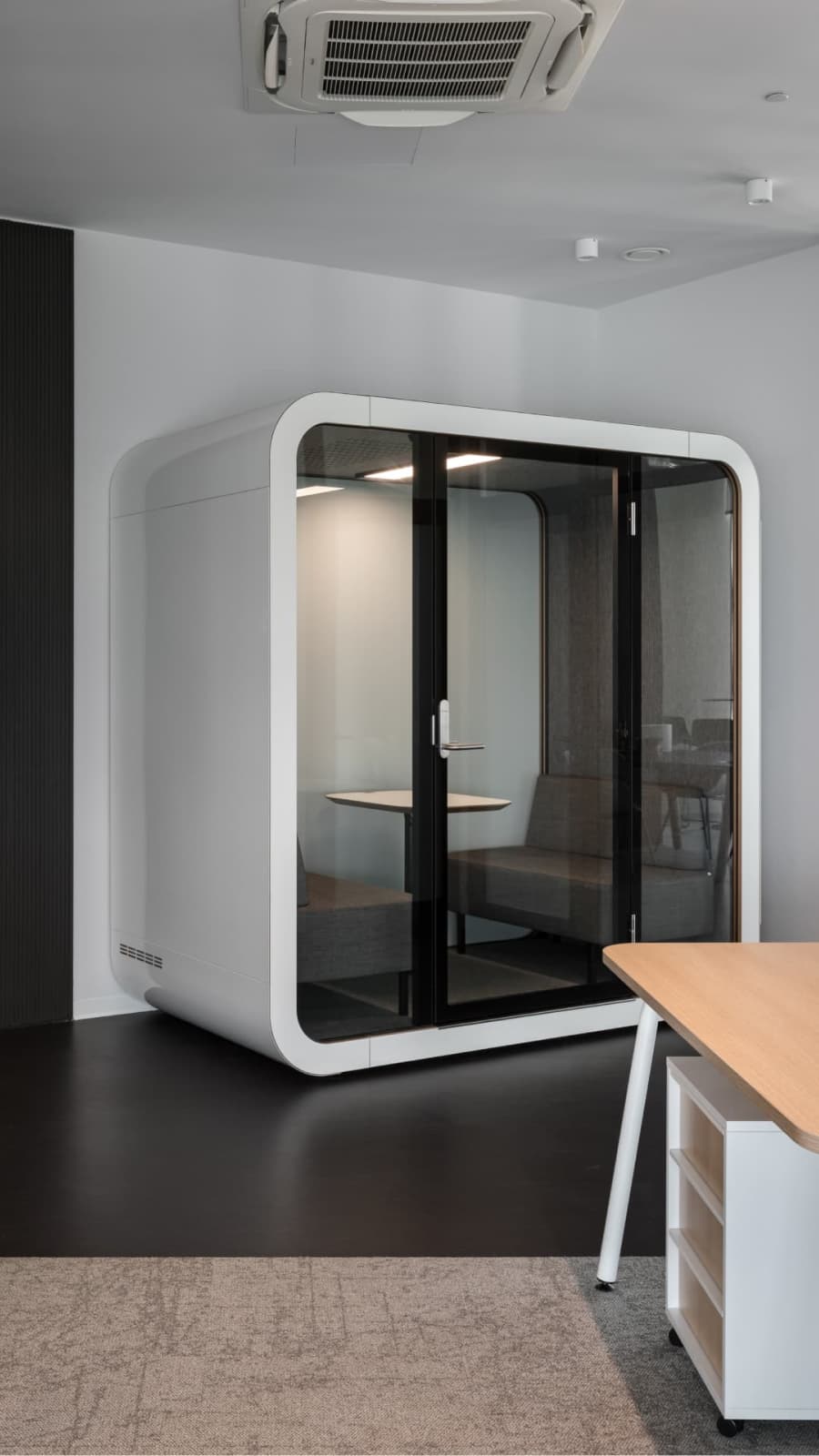
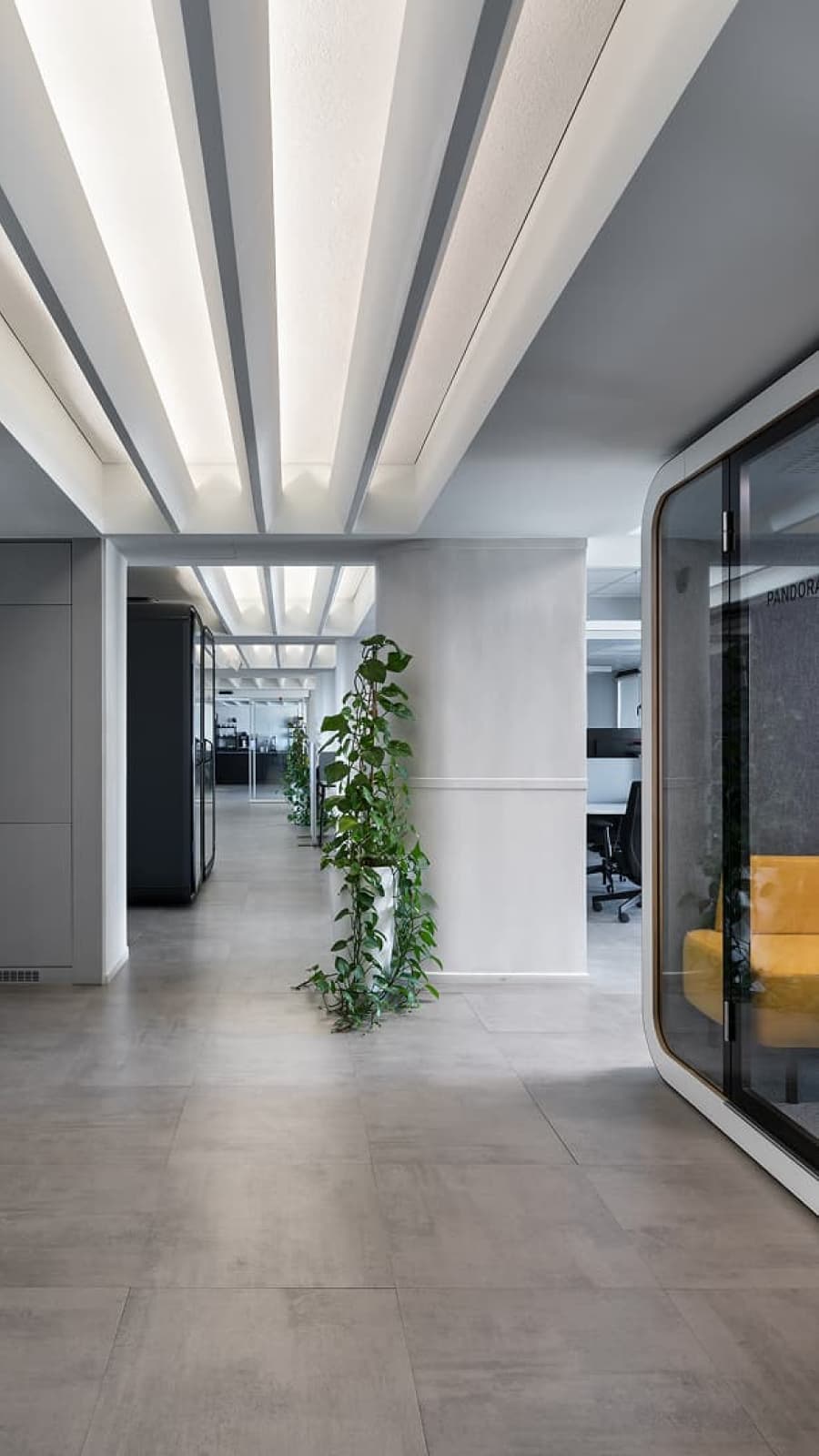
- small meeting rooms for 2−6 people
- acoustic booths and spaces for confidential conversations
- team rooms for project teams
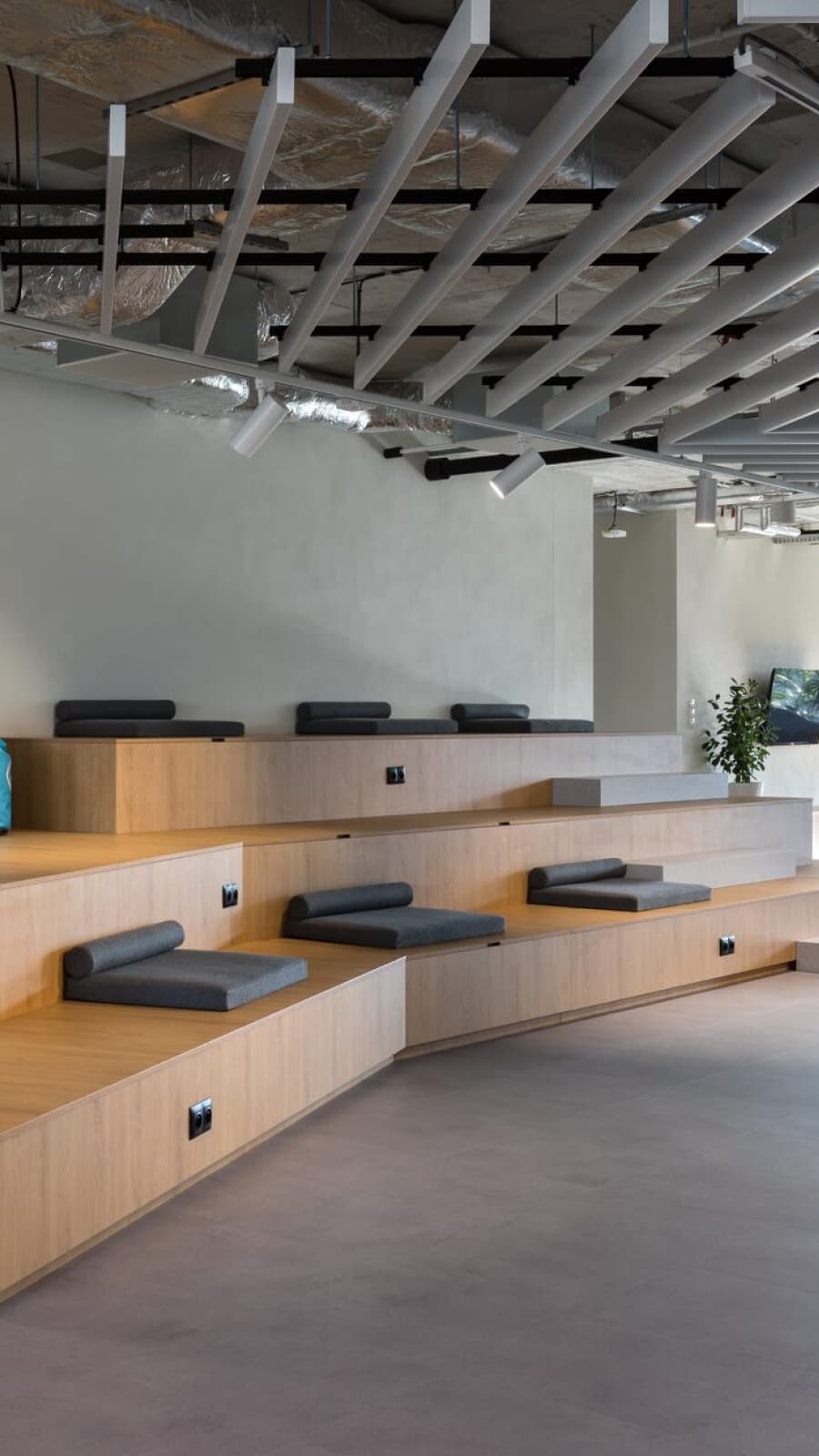
- workshop spaces for several departments
- private offices or semi-closed zones for selected functions
- places for work requiring deep concentration
- flexible layouts that can quickly adapt to new roles and teams
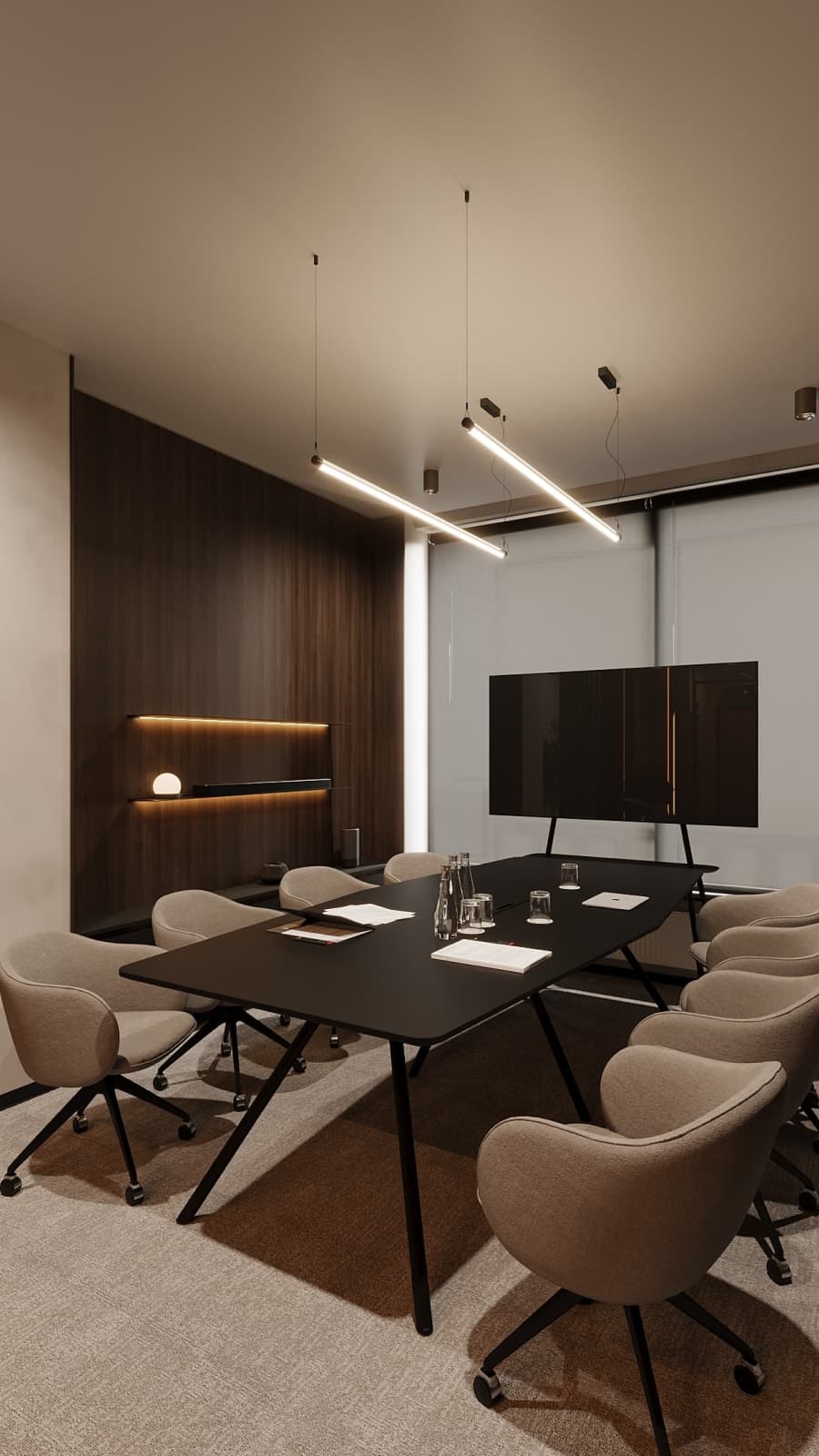
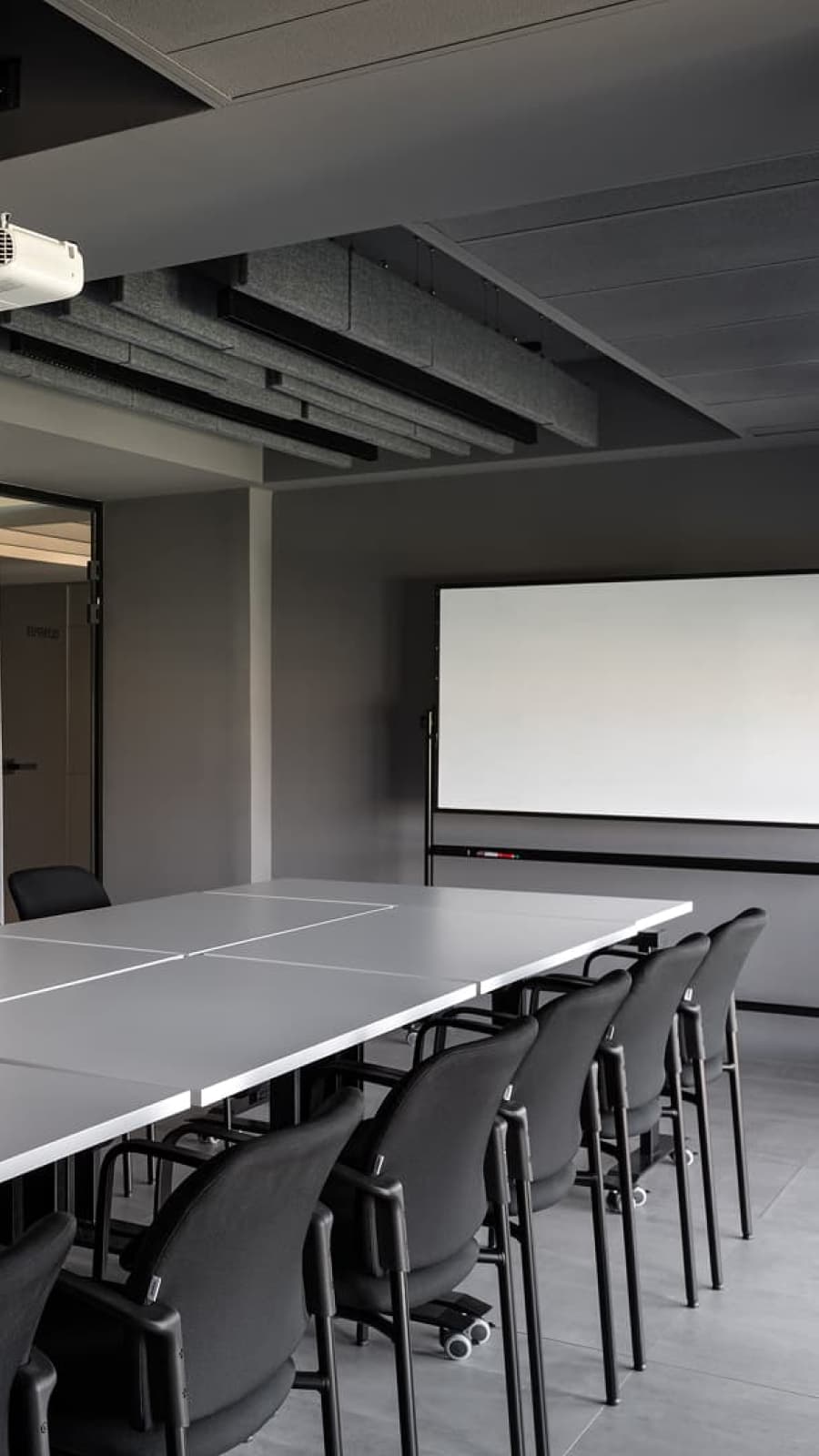
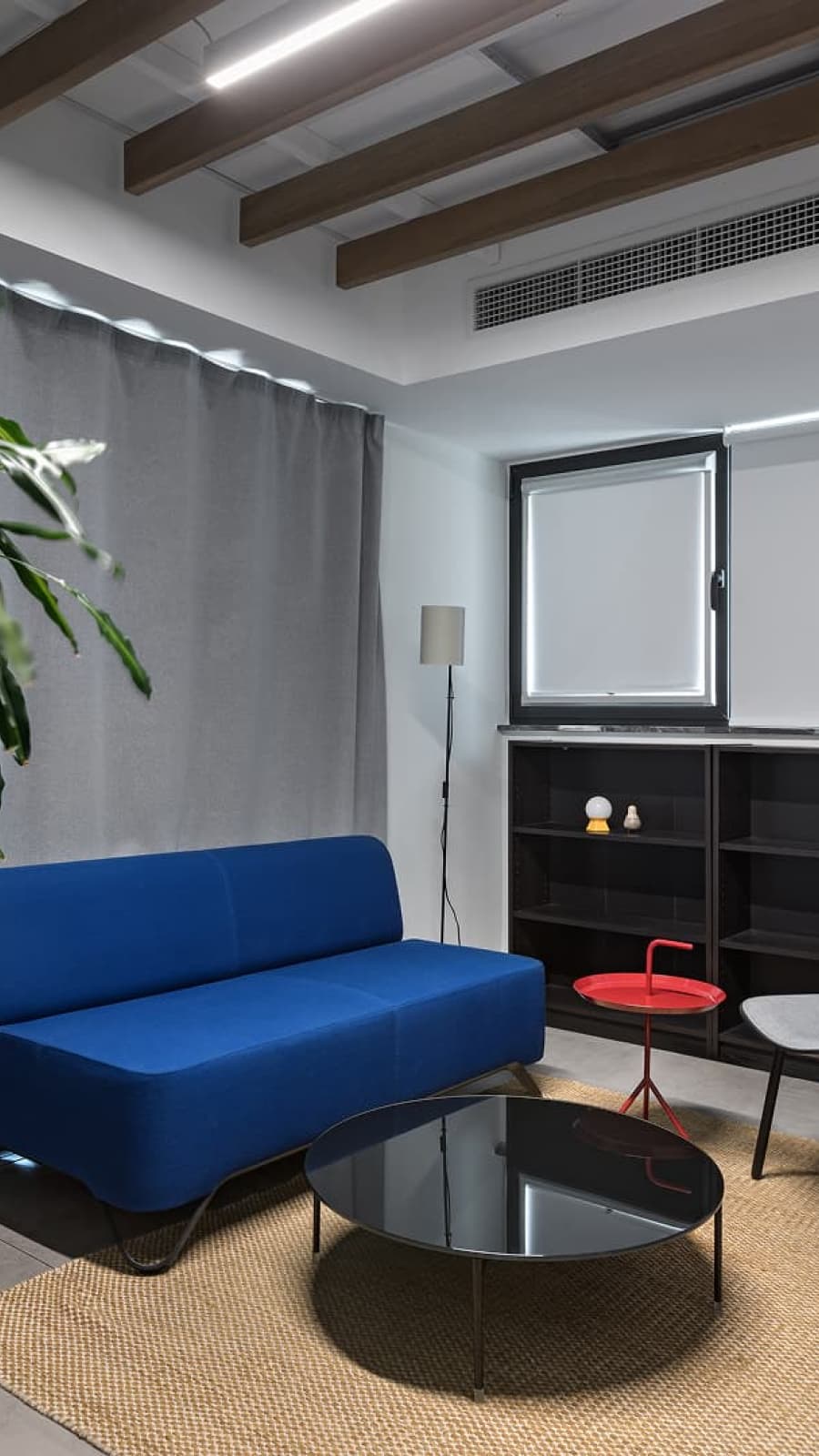
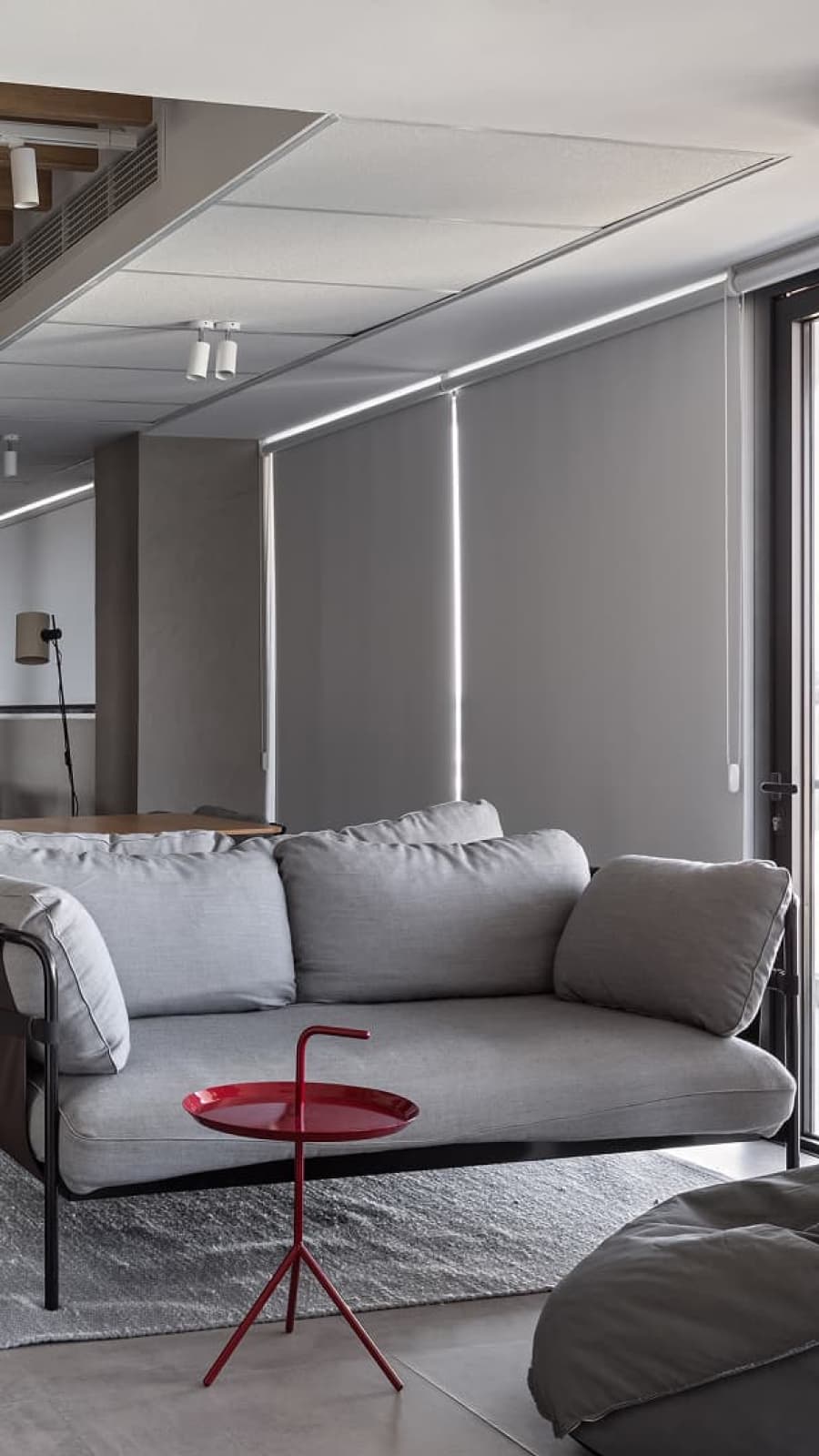
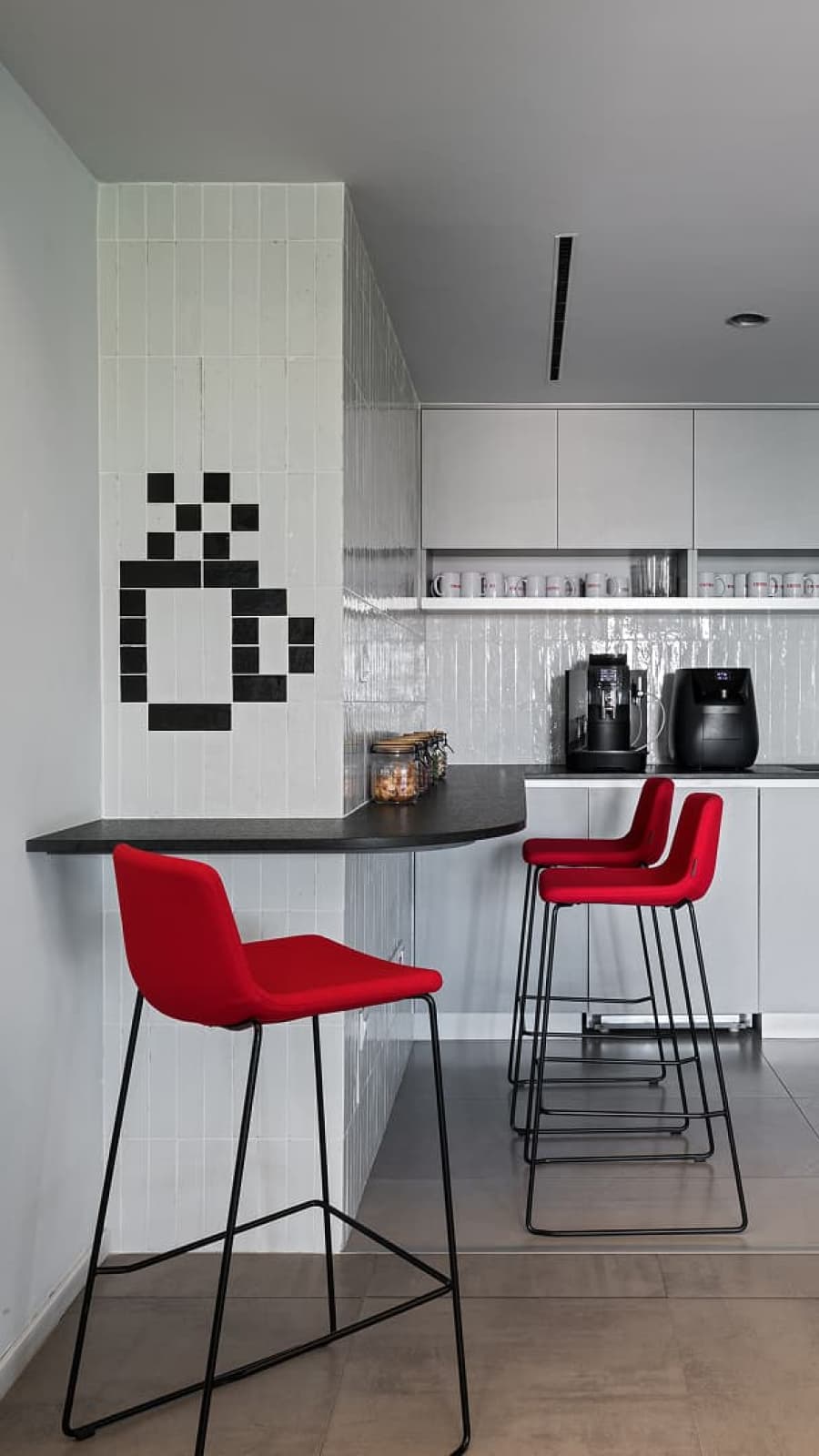
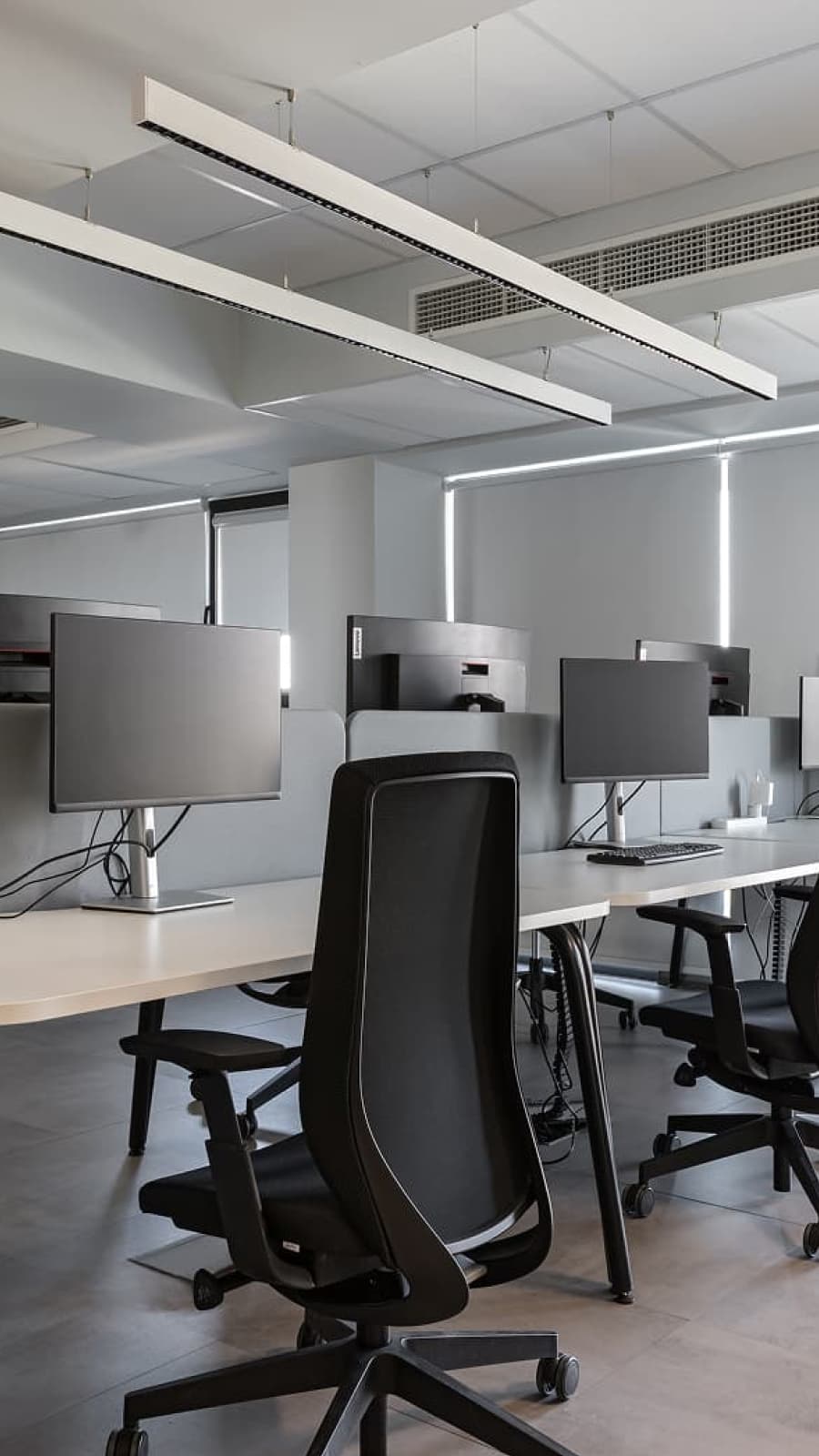
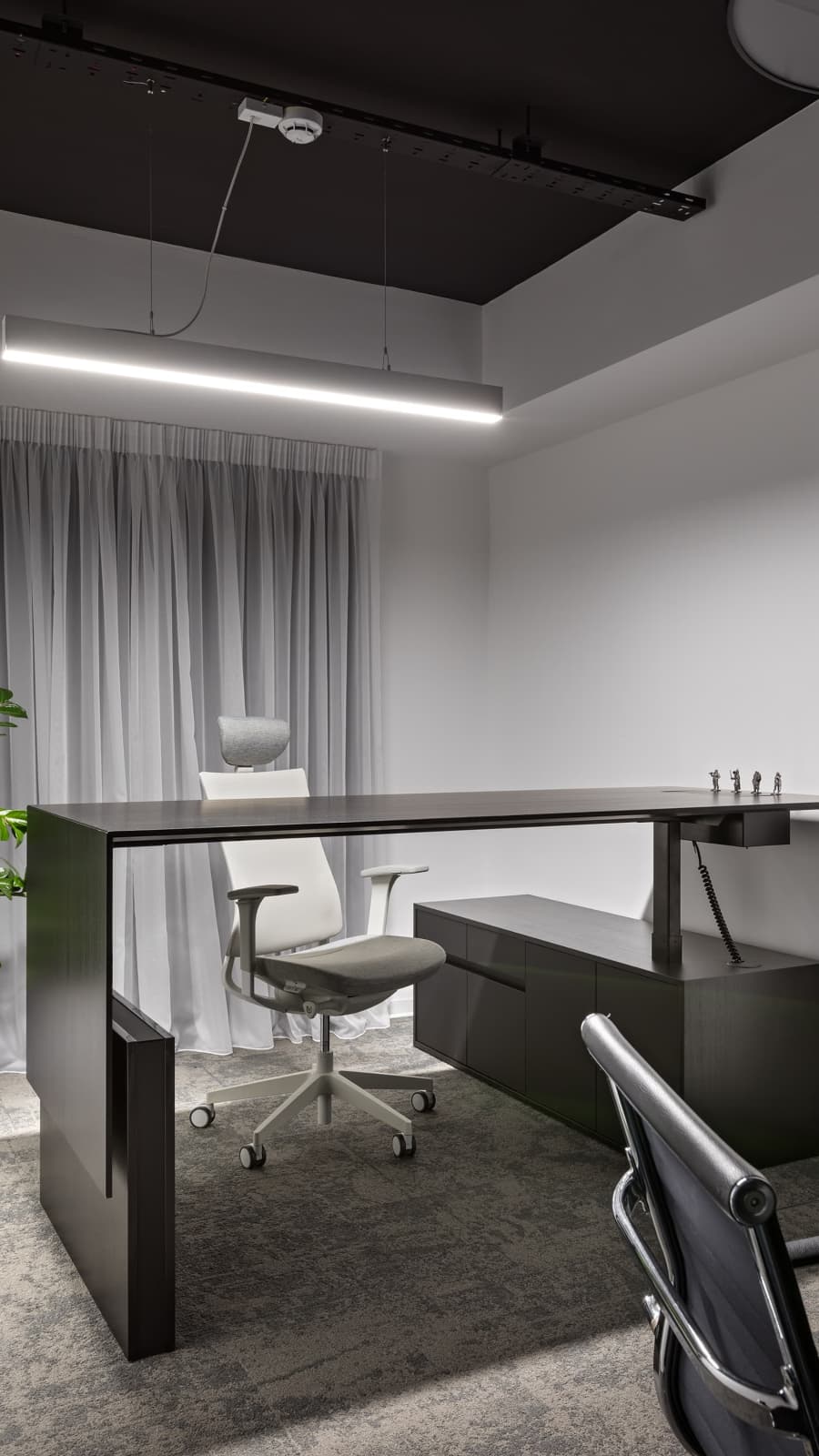
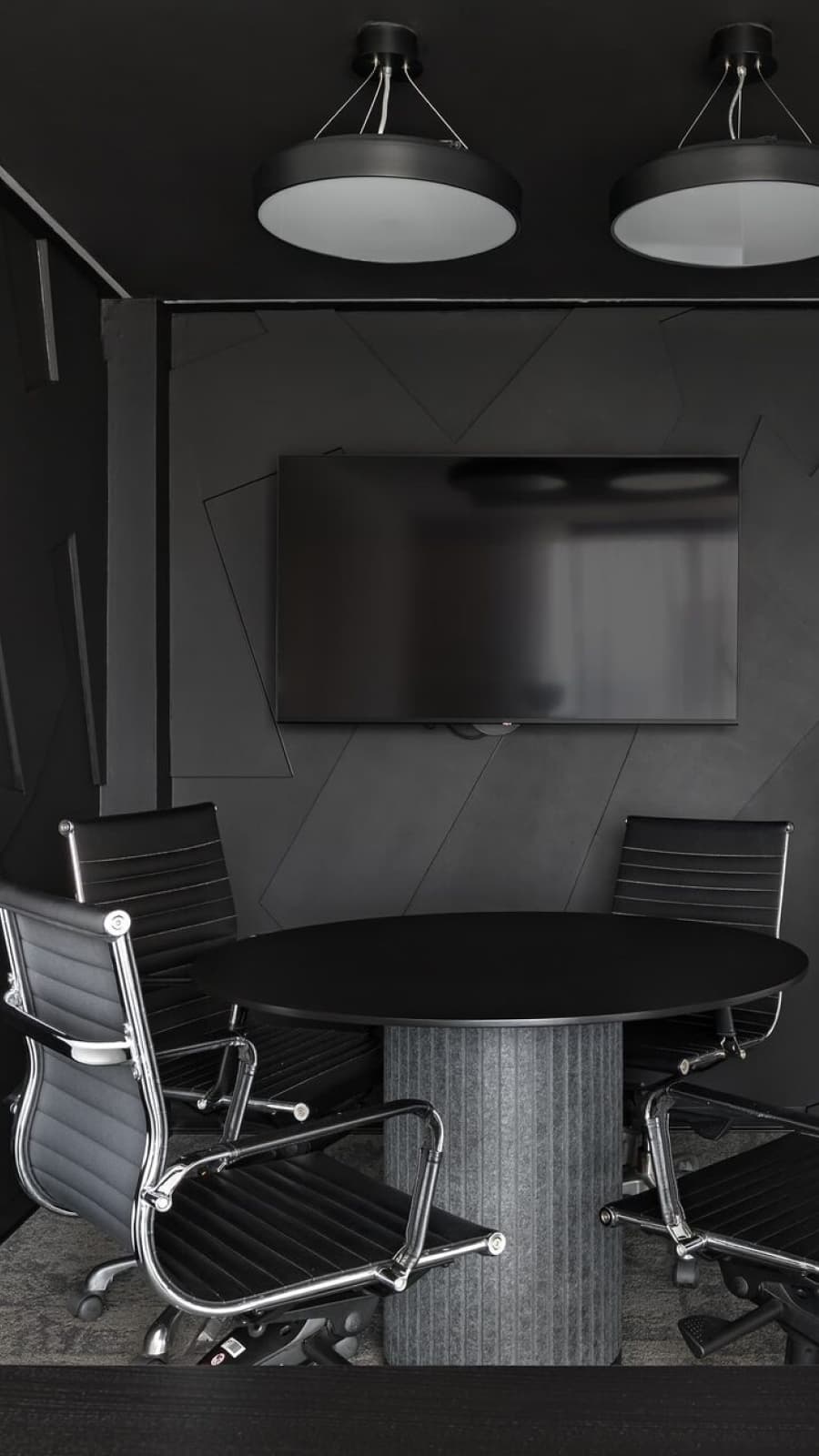
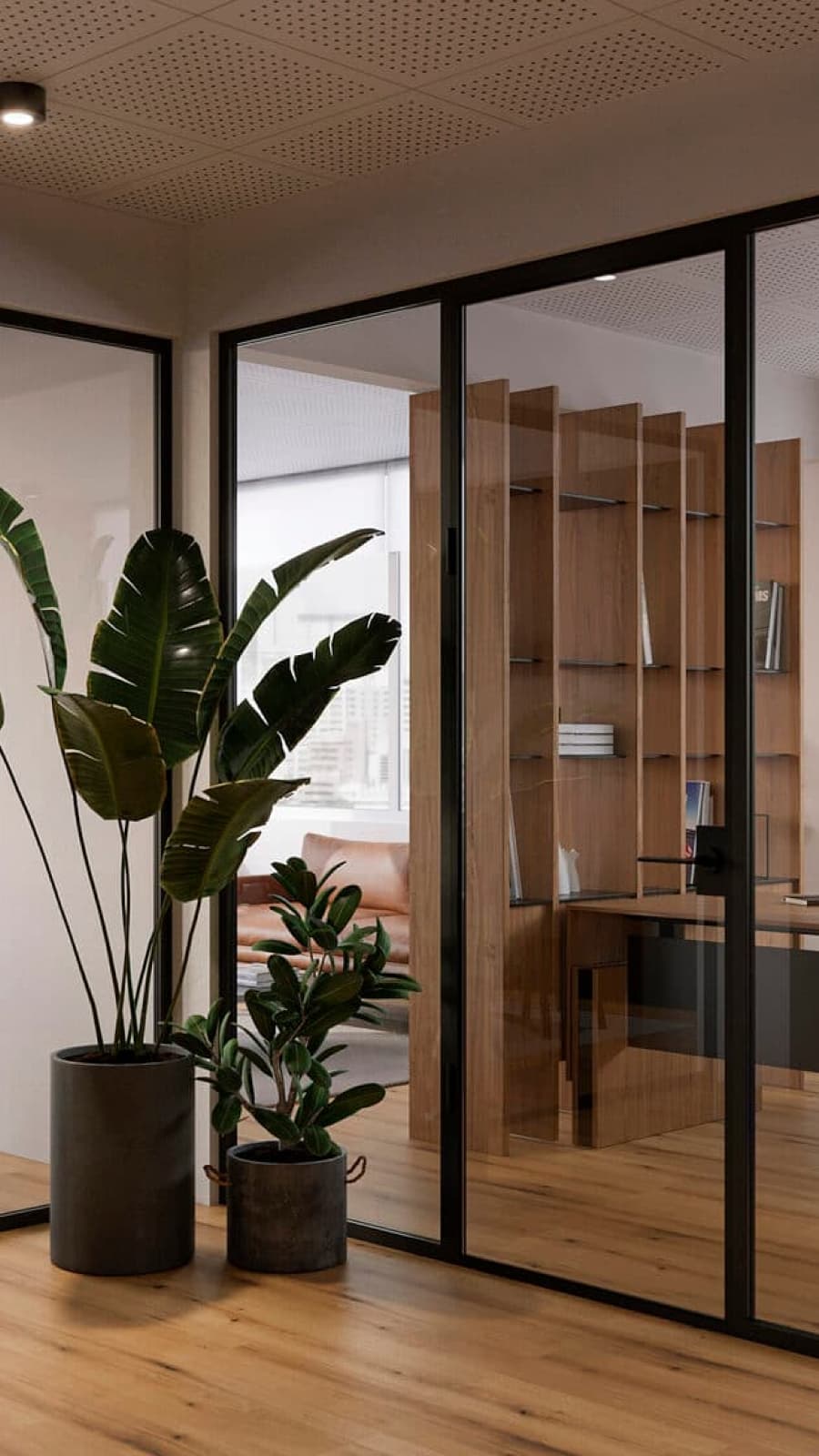
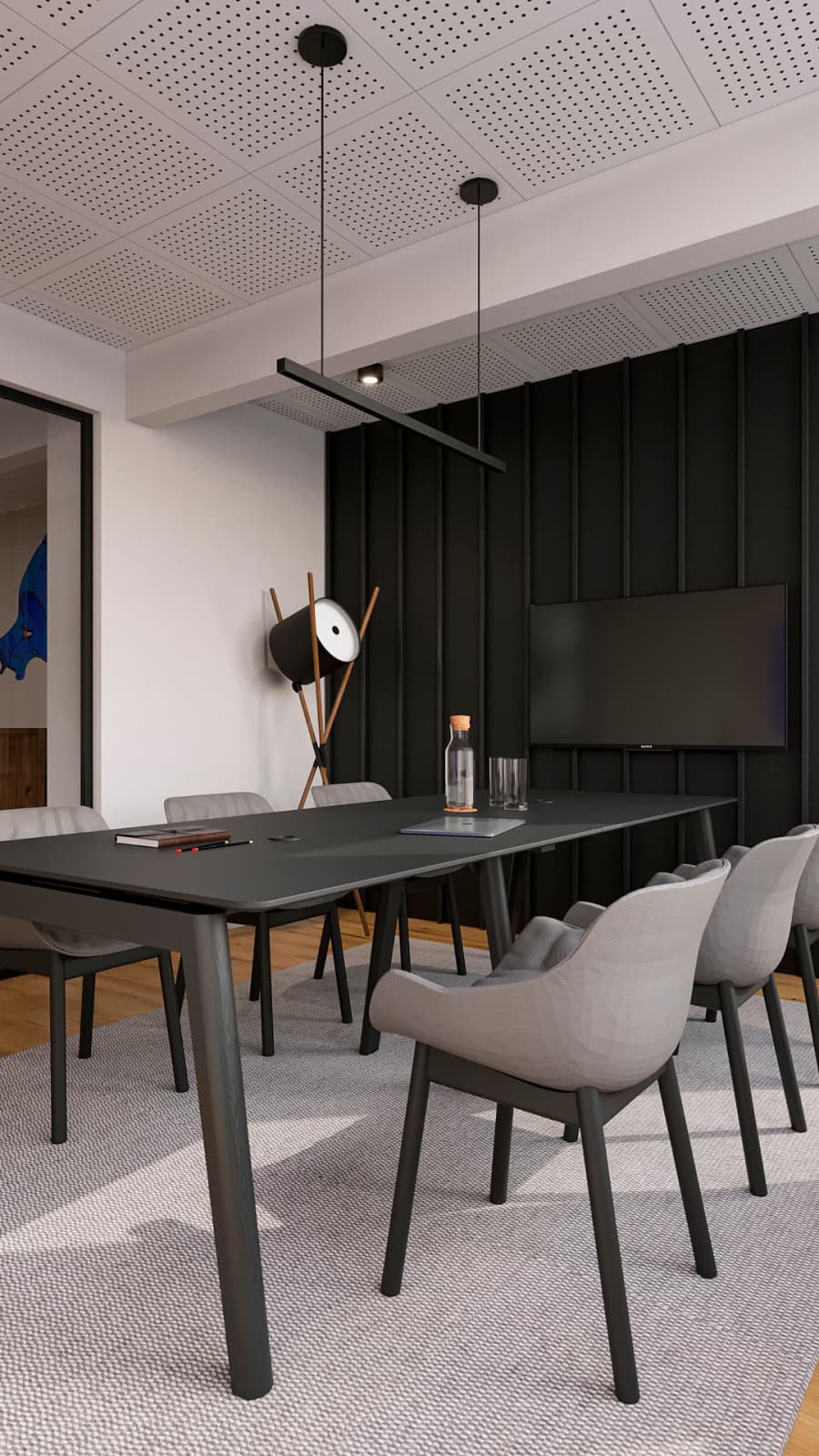
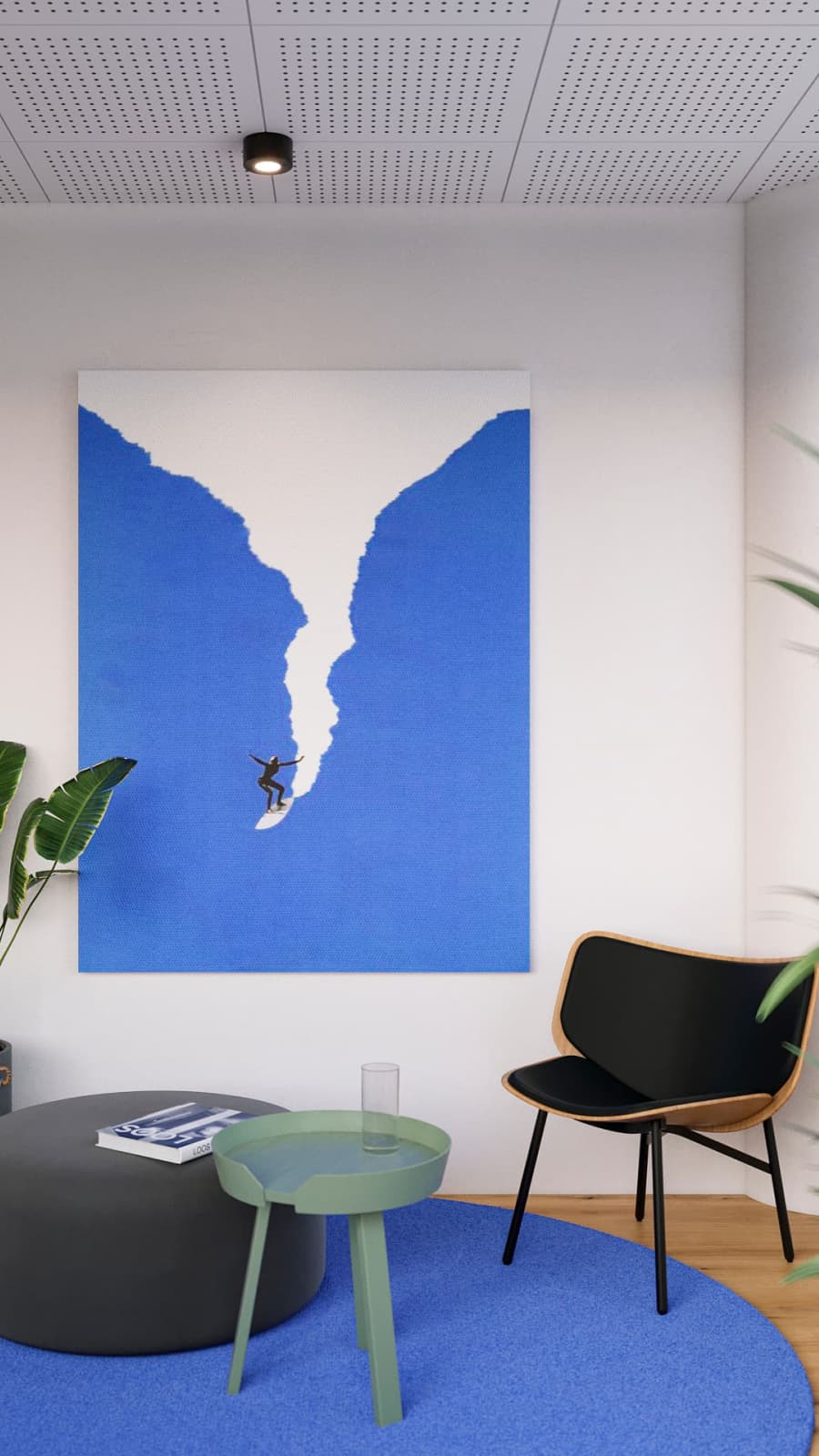
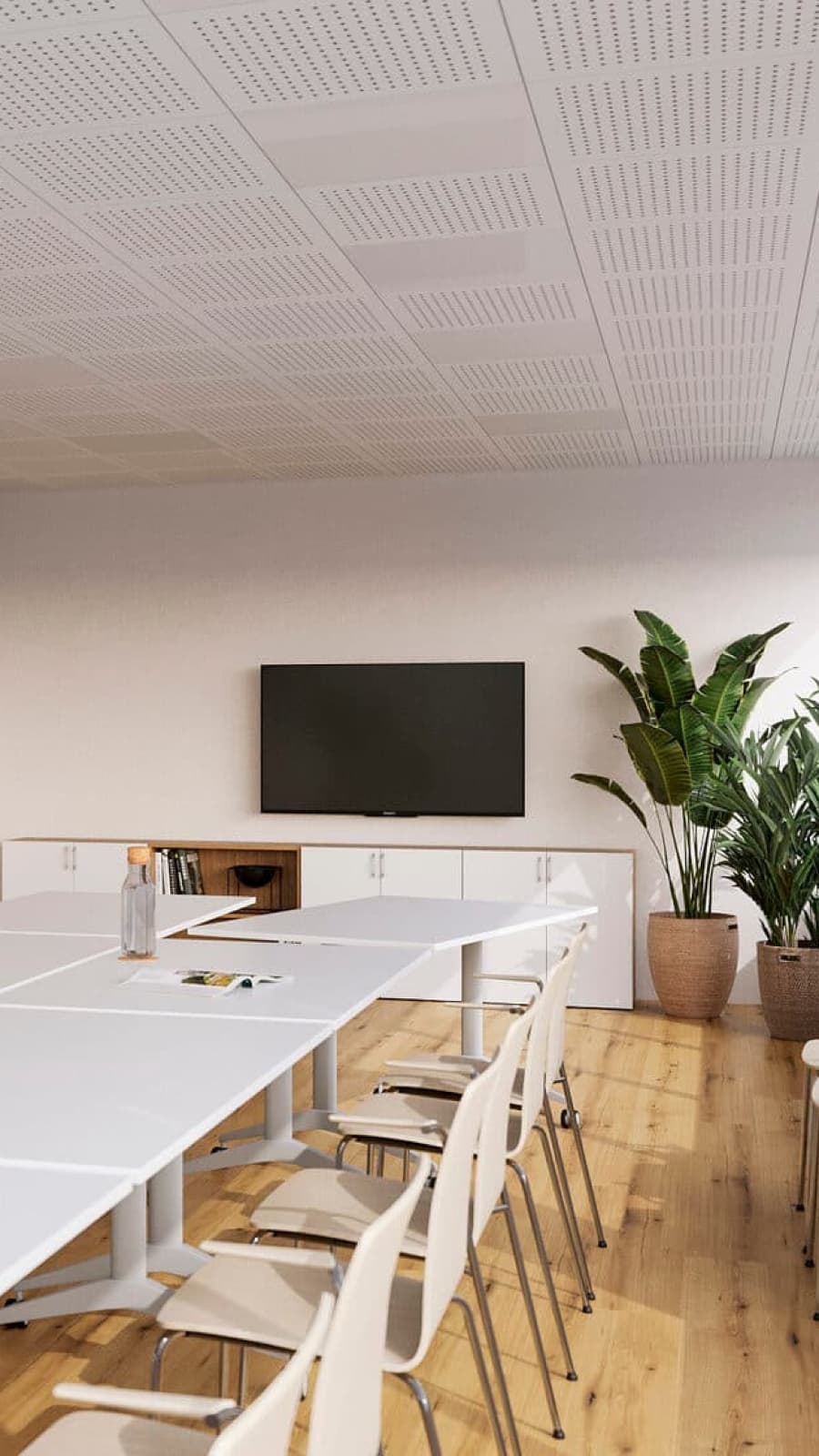
This does not mean the end of open space. It may mean that open space will need stronger support: acoustic, functional and organisational.
Will we return from home to the office?
Will we return from home to the office?
AI may paradoxically increase the importance of office work for selected teams. Not because every task has to be done at a company desk. Rather because some decisions require trust, fast exchange of information and the presence of people from different departments.
Imagine a company implementing a new AI tool for recruitment. The process involves HR, the legal team, IT and an external provider. The team has to discuss data, risks, how the system works, who is responsible. And how candidates will be informed. Some of this work can happen online. But some meetings are better held in a calm, well-prepared space with proper privacy.
The same may apply to finance, healthcare, technology companies or organisations working with sensitive data.
The greater the responsibility, the greater the need for a good environment for discussion and decision-making.
A flexible office is designed with the future in mind
A flexible office is designed with the future in mind
At TENGO Design, we have been designing offices not only for the current needs of a company, but also for the way it may change. This is why we focus on flexible solutions. These include modular furniture, acoustic booths, mobile partitions, multi-functional zones and layouts that can be adjusted later without rebuilding the whole office.
This approach may become even more important in the context of AI. Today, a company may need a few extra places for video calls. In two years, it may need an AI risk team, a separate space for audits or a team room for an interdisciplinary group working on an AI model.
We cannot predict everything. But we can design offices that are not too rigid. A well-planned workplace gives the company room to adapt. It allows the organisation to respond to new roles, new processes and new ways of working.
Office design must keep up with change
Office design must keep up with change
The most important change is not about AI tools themselves. It is about the organisation. If AI changes decision-making, responsibility and team structure, then office desig`n should also start taking this into account
The office is not only a background for work. It can support collaboration or make it harder. It can make confidential conversations easier or force people to search for a free room for half a day. It can help teams meet quickly or distract them with noise and a random layout.
That is why it is worth asking these questions already today:
- Do we have enough small meeting rooms?
- Do we have spaces for confidential conversations?
- Can interdisciplinary teams work together without constantly fighting for space?
- Can the office layout change if new roles and functions appear?
- Does our current acoustic comfort support focused work?
These are not questions for a distant future. Many companies can ask them right now.
Will AI workplace become the next step after hybrid workplace?
Will AI workplace become the next step after hybrid workplace?
Hybrid work has taught companies that the office must be more flexible. AI may teach them something else: the office should keep up with changes in the structure of the organisation.
Perhaps in a few years we will talk not only about Hybrid Workplace, but also about AI Workplace. About offices that support interdisciplinary teams, data confidentiality, faster decision-making and new models of responsibility.
For now, this is a direction, not a certainty. But this is exactly why it is worth discussing today. The best offices are not created only as a reaction to problems that already disturb daily work. They are created when a company can imagine how its way of working may change.
Sources:
- https://www.gov.pl/web/cyfryzacja/ai-act--co-sie-zmienilo-2-sierpnia-2026-roku
- https://www.infor.pl/prawo/nowosci-prawne/7634696,wytyczne-ai-act-dotyczace-obowiazkow-przejrzystosci-co-musza-zrobic-d.html
Complimentary workplace consultations at TENGO Design
Schedule a consultation – together, we’ll design your ideal, comfortable space.
By clicking the button, you consent to the processing of your personal data by TENGO Design Sp. z o.o. and agree to the Privacy Policy